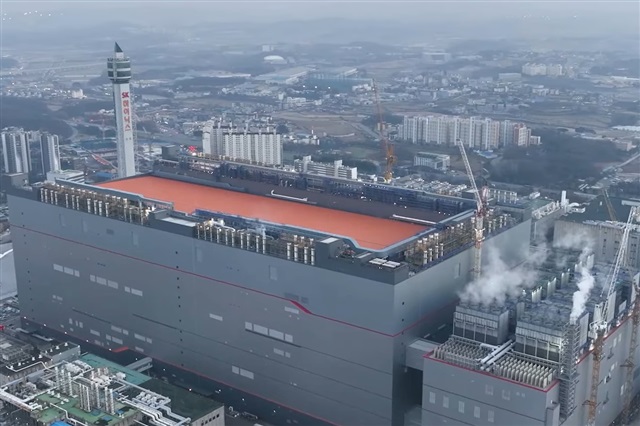
SK Hynix is reportedly moving ahead with a major memory manufacturing upgrade in China, completing a transition at its important DRAM production site in Wuxi to its fourth-generation 1a process technology. The development highlights how the chipmaker continues to push process improvements for DRAM production, even as US export controls restrict the shipment of certain advanced semiconductor manufacturing equipment into China.
The Wuxi plant is widely seen as a key part of SK Hynix’s global DRAM supply chain, so finishing a process conversion there is significant. Moving to a newer 1a-generation node can help a memory maker improve production efficiency, increase the number of chips produced per wafer, and potentially enhance performance and power characteristics—benefits that matter for PCs, servers, and increasingly AI-driven workloads that depend heavily on memory bandwidth and capacity.
What makes the reported milestone especially noteworthy is the timing. US export controls have created obstacles for companies operating advanced semiconductor production lines in China by limiting access to certain tools and components. Even with those restrictions in place, SK Hynix has reportedly managed to complete the 1a DRAM upgrade at Wuxi, signaling careful planning and execution to keep its manufacturing roadmap on track.
For the broader market, any progress at a major DRAM facility is worth watching. DRAM pricing and availability can shift quickly based on capacity, yields, and technology transitions at the biggest producers. If the Wuxi conversion contributes to steadier output or better efficiency, it could influence supply dynamics across consumer electronics, enterprise hardware, and data center infrastructure.
While SK Hynix has not detailed every operational impact publicly, the reported completion of the 1a DRAM process upgrade at its Wuxi plant suggests the company is maintaining momentum in its manufacturing strategy—an important factor as global demand for advanced memory continues to rise.