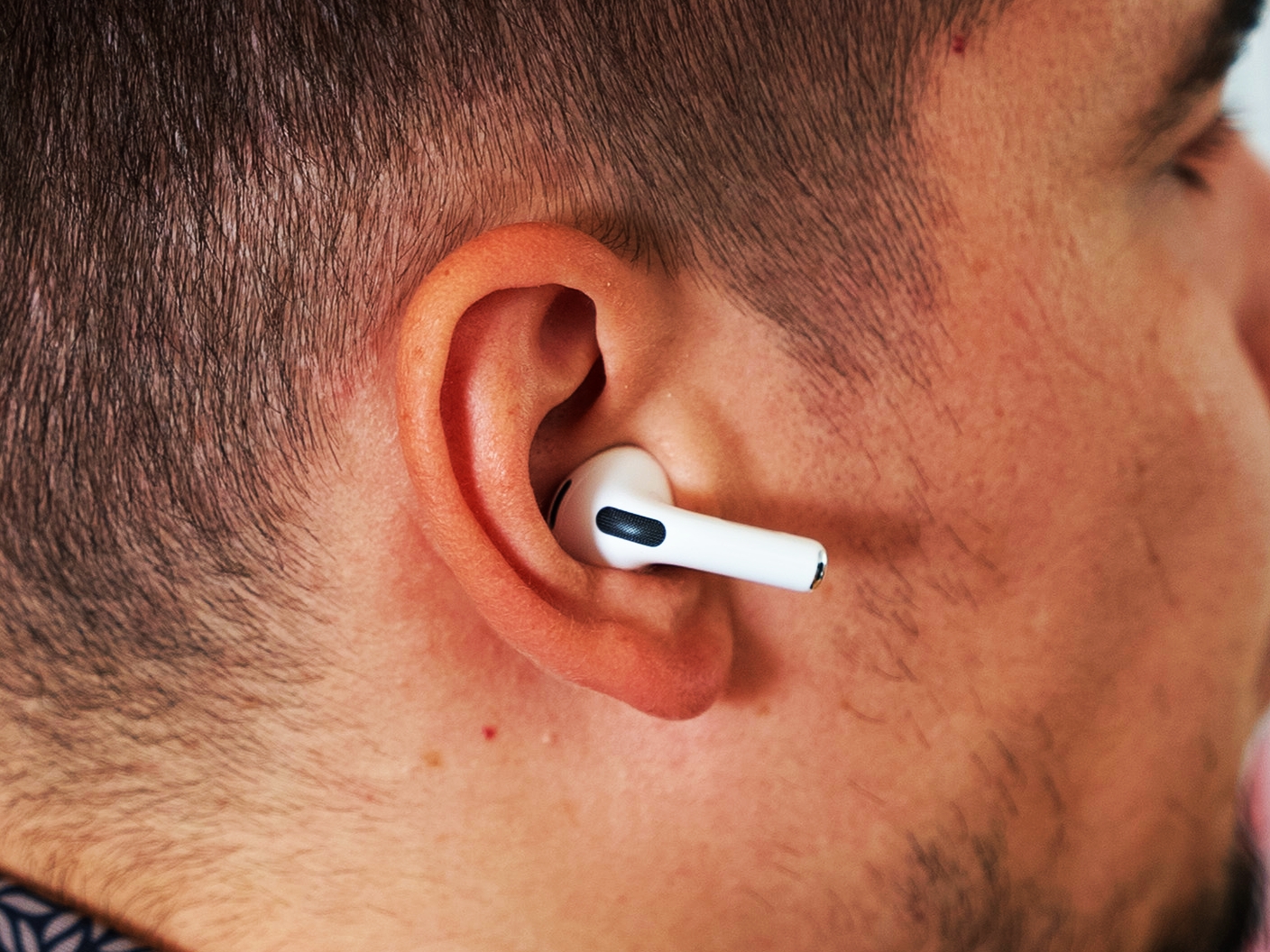
Trying to make a living as a creative person teaches you to notice patterns fast. And one pattern surprised me: on the rare days I forgot my AirPods at home (or they ran out of battery), my creativity and focus didn’t get worse. They got better.
At first, being without earbuds feels like a problem you need to solve immediately. You reach into your pocket, realize they’re not there, and your brain throws a tiny fit. No carefully curated playlist. No motivating podcast. No audio shield to block out the city’s weird, noisy chaos. You’re left with the one thing many of us have quietly trained ourselves to avoid during errands, commutes, and walks: your own thoughts.
Then something unexpected happens. The world gets louder, but so does your mind.
Without noise-cancelling earbuds sealing me off, I started picking up the kind of real-life details that spark ideas. A random overheard conversation on the train turns into a full comedy bit. Standing in line for coffee, the clack and hiss of the espresso machine suddenly sounds like a rhythm track, and my brain starts building a melody on top of it. Even if your creativity isn’t writing or music, you know the feeling—maybe it’s noticing the way the light hits a building and suddenly wanting to take a photo. Inspiration shows up when you’re available for accidents. And it’s hard to be available when your default setting is turning the world off.
That’s when it clicked: blocking noise doesn’t just block noise. It can block the raw material your brain uses to create.
The same thing applies to “productivity,” too—especially the modern version of productivity that’s really just constant stimulation. Music and podcasts aren’t bad. But they can become a dopamine filler: something you grab the second boredom shows up, before boredom can do what it’s meant to do. Boredom is uncomfortable, sure, but it’s also useful. It nudges you to reflect, adjust, decide, invent, or finally deal with the idea you’ve been avoiding.
A lot of us like to believe that listening to podcasts automatically makes us smarter, as if information intake equals personal growth. But when you’re consuming “mental meals” all day—news, clips, feeds, opinions, long-form conversations, short-form chaos—most of it doesn’t stick. And if you’re constantly jumping from one episode to another, it’s not always curiosity. Sometimes it’s just avoidance dressed up as self-improvement.
We’ve also replaced thinking time with listening time, then wondered why we “don’t have time to think.” Even something simple—calling a friend instead of listening to strangers talk—can bring you back to real connection instead of passive background noise. The funny part is how normal it’s become to walk around with someone else’s voice narrating our lives while we wonder why we feel mentally cluttered.
None of this is an argument against podcasts, music, or great audio gear. It’s about how easily noise-cancelling earbuds become the default setting—like silence and ambient reality are problems to fix. Active noise cancellation is genuinely incredible technology, and there are obvious moments where it’s a lifesaver, like flights or truly overwhelming environments. But outside of those situations, it can slide into a strangely unnatural kind of escapism: a constant opting out of the present moment.
And there’s a social cost, too. When someone’s wearing earbuds, you hesitate to approach them. When you’re wearing earbuds, you’re basically wearing a “do not disturb” sign on your face. It’s subtle, but it changes how often you interact, how often you observe, and how often you let your brain wander. In a weird way, blocking out the sound of the world isn’t that far off from hiding behind a headset—it just looks more acceptable in public.
So lately I’ve been experimenting with a small shift: not automatically reaching for my AirPods the second I step outside. I don’t succeed every time, but when I do, I let the walk be a walk. No soundtrack. No commentary. Just the city, my thoughts, and whatever unexpected detail my brain decides to turn into an idea.
And who would’ve thought? I feel more human.
Maybe one day I’ll go all the way—ditch the modern tech, switch to an old-school phone, disappear into a comfortable cave. But for now, I’m starting with something simple: leaving space for silence, letting boredom do its job, and trusting that my brain can generate its own material when I stop feeding it nonstop noise.