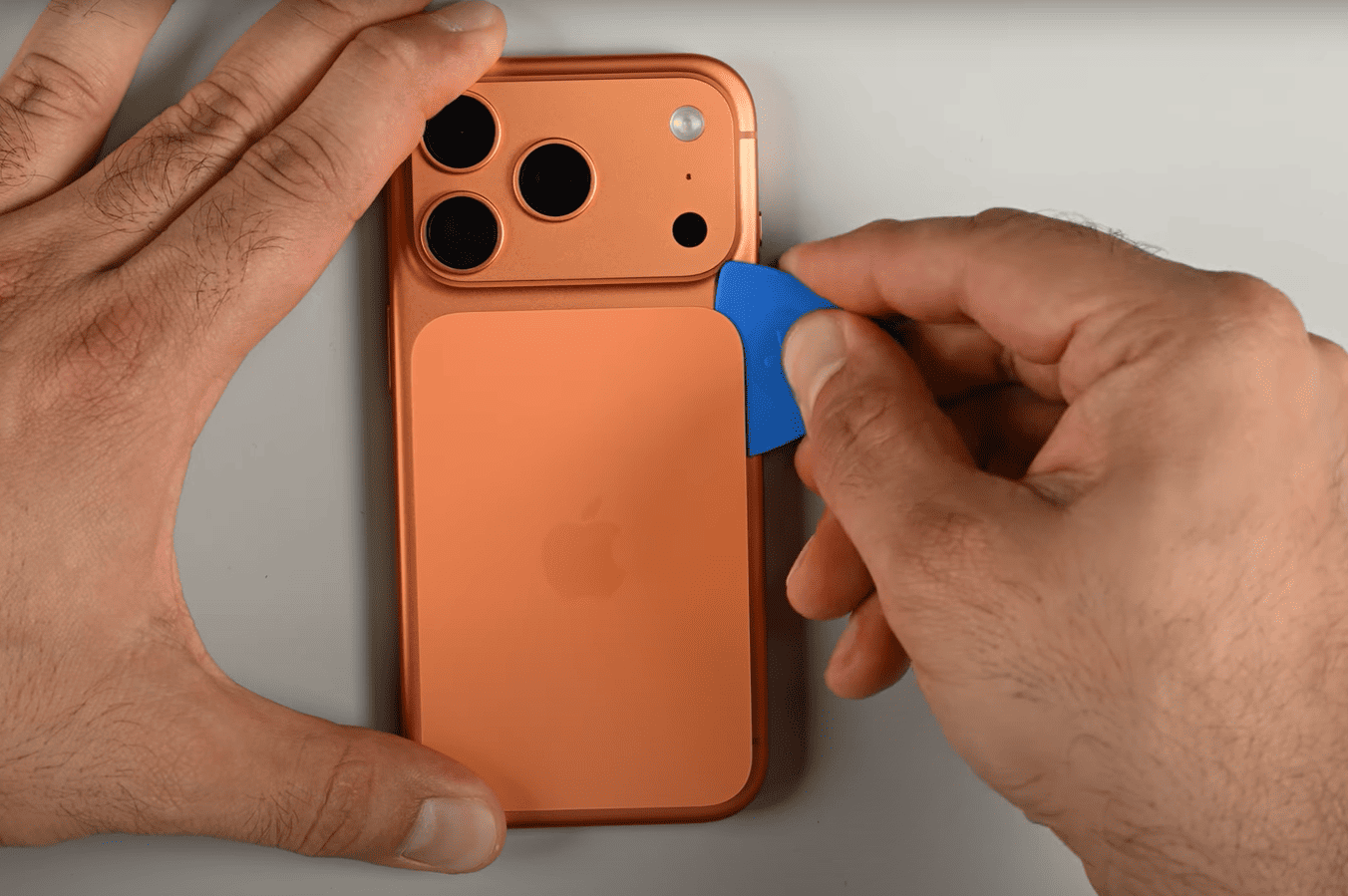
Scratchgate hits the iPhone 17 Pro: why those camera-bump scratches are showing up and what you can do about it
From the first wave of hands-on use, owners have noticed an unusual number of scratches clustering around the iPhone 17 Pro’s camera bump. A recent teardown and microscope analysis confirm what people are seeing in the wild: the anodized aluminum finish can chip and flake at the camera plateau’s sharp edges, revealing bright bare metal underneath. The issue, now dubbed Scratchgate, isn’t about performance, but it’s raising real concerns about durability and long-term appearance on a very expensive flagship.
Under magnification, the coating holds up reasonably well on flat surfaces where scuffs tend to be shallow. The trouble begins at tight corners. When stress is focused on those sharp transitions—think coins or keys grazing the camera bump—the hard anodized layer is more likely to chip than simply scratch. In tests that mimic pocket wear, a pick about as hard as a penny was enough to break off bits of the coating at the edge, making the contrast with the underlying aluminum very noticeable.
Materials scientist David Niebuhr explains why this happens: anodized oxide layers are inherently more fragile where geometry forces stress into a narrow area. Thickening the coating isn’t a cure; it can actually make flaking worse by creating a larger, more brittle layer that breaks off in bigger pieces. The more robust fix would have been a gentler, rounded transition around the camera plateau to spread out the impact.
The teardown also brought fresh details about what’s changed inside. For the first time, the iPhone’s battery is mounted in a screwed-in tray, secured with 14 Torx Plus screws. That’s a welcome move for repairability, sparing technicians from wrestling with heavy adhesives during battery swaps. On the flip side, Apple has walked back the dual-entry design. The rear panel now mostly exposes the wireless charging hardware, while most major repairs require going in through the display—an approach that can increase the risk and complexity of service.
Thermals see a meaningful upgrade. Apple added a vapor chamber that uses a copper lattice to spread heat more evenly. Imaging shows the chamber positioned between the battery and logic board, moving heat away from the A19 Pro chip to help sustain performance under load. It’s a modern cooling approach that should reduce throttling in demanding tasks.
As of now, Apple hasn’t publicly addressed Scratchgate or outlined any support steps for affected customers. Again, the problem is largely cosmetic and doesn’t impact day-to-day functionality, but visible edge wear on a premium device is frustrating—and likely to affect resale value.
If you already own the iPhone 17 Pro or plan to pick one up, a little prevention goes a long way:
– Use a case with a raised lip or full coverage around the camera plateau.
– Keep the phone away from coins, keys, and other metal objects in pockets or bags.
– Wipe the housing with a soft, clean cloth to remove grit that can act like sandpaper.
– Document any damage as soon as you notice it in case you need to pursue support.
Bottom line: the iPhone 17 Pro brings smarter cooling and a more service-friendly battery mount, but the sharp-edged camera bump paired with an anodized aluminum finish makes it more vulnerable to visible chipping. Until a design revision arrives, smart accessories and careful handling are the best defense.