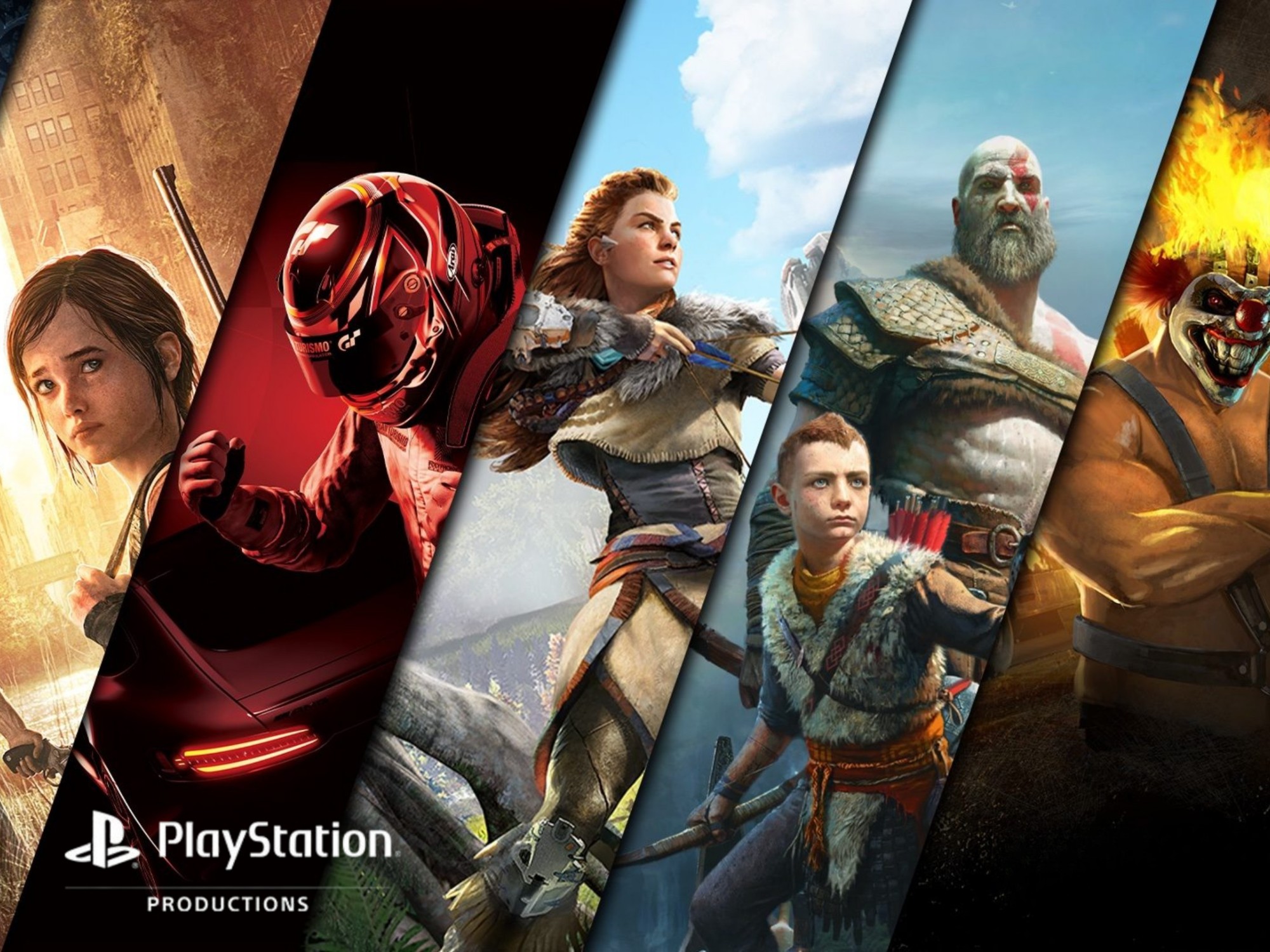
PlayStation 5 arrived back in 2020, yet a growing number of fans say the console’s true “only on PS5” lineup feels surprisingly thin for how long it’s been on the market. That debate is heating up again after a recent roundup counted just nine games that can’t be played on any other system, at least under a strict definition of exclusivity. And even if Sony changes its PC strategy going forward, many players doubt it would dramatically shift the overall picture.
Why the PS5 exclusives conversation is so messy
The biggest reason this topic never stays simple is that “exclusive” can mean different things depending on who’s talking.
Some players only count games that are completely unavailable anywhere else, including PC. Others feel timed exclusives still matter because they can make a console more appealing at launch. On top of that, a lot of PlayStation titles now eventually show up on PC, which reshapes how people judge the value of buying a console for “exclusive” experiences.
The nine-game figure also comes with limitations. It reflects a snapshot from February 2026 and doesn’t count upcoming releases that haven’t launched yet. It also excludes PS4-only releases and PSVR2 headset-only games, which some fans would argue should be part of the broader PlayStation exclusive discussion, even if they don’t qualify under a strict “PS5-only” rule.
How PS5 exclusives compare to Xbox Series X|S and Switch 2
When you stack PS5 against its competitors, the comparison gets even more interesting.
Xbox Series X|S arguably looks worse in terms of hardware exclusives, mainly because Microsoft is leaning hard into cross-platform releases. The big advantage Xbox still holds for many players is day-one access through its ecosystem, with major releases arriving immediately for PC as well. One example mentioned is Forza Horizon 6, which is set to launch on PC right away and then make its way to PlayStation later in 2026.
Nintendo, meanwhile, continues to play by its own rules. Even though Switch 2 only launched in June 2025, it’s already said to have 11 games that haven’t been ported to other platforms. Nintendo also shows no real signs of bringing its first-party lineup to PlayStation, Xbox, or PC in a meaningful way, keeping its exclusivity strategy much more traditional.
Will Sony cutting back on PC ports create more PS5 exclusives?
Rumors suggest Sony may be reconsidering how many single-player PlayStation games it brings to PC. If that happens, PC players might not see certain big story-driven titles reach popular storefronts in the future. One theory is that the financial results of some PC releases haven’t been as strong as expected once platform fees and porting costs are factored in.
Still, many players question why Sony would ever walk away from additional sales, especially when PC launches can extend a game’s lifespan and introduce the franchise to new audiences. At the same time, there’s a counterargument popping up in community discussions: if everything goes everywhere, consoles risk feeling less meaningful, which is one criticism often directed at Microsoft’s current strategy.
Even if Sony slows down PC ports, don’t expect the PS5-only list to suddenly explode. Live-service games are still likely to target the widest possible audience across platforms, and Sony’s output of big, story-focused single-player games has reportedly decreased in recent years. That combination makes it hard for the number of truly PS5-locked titles to grow much from where it is now.
The takeaway for PS5 owners and buyers
For anyone shopping for a PS5 in 2026, the exclusives question comes down to what kind of “exclusive” matters to you. If you only care about games you cannot play anywhere else at all, the list may feel smaller than expected for a console that’s been out since 2020. But if you value early access, first-party polish, and the broader PlayStation ecosystem, the exclusivity conversation looks very different.
Either way, the ongoing debate shows how much the definition of console exclusives has changed in the modern era, especially as PC, subscription services, and cross-platform releases continue to reshape what “exclusive” even means.


