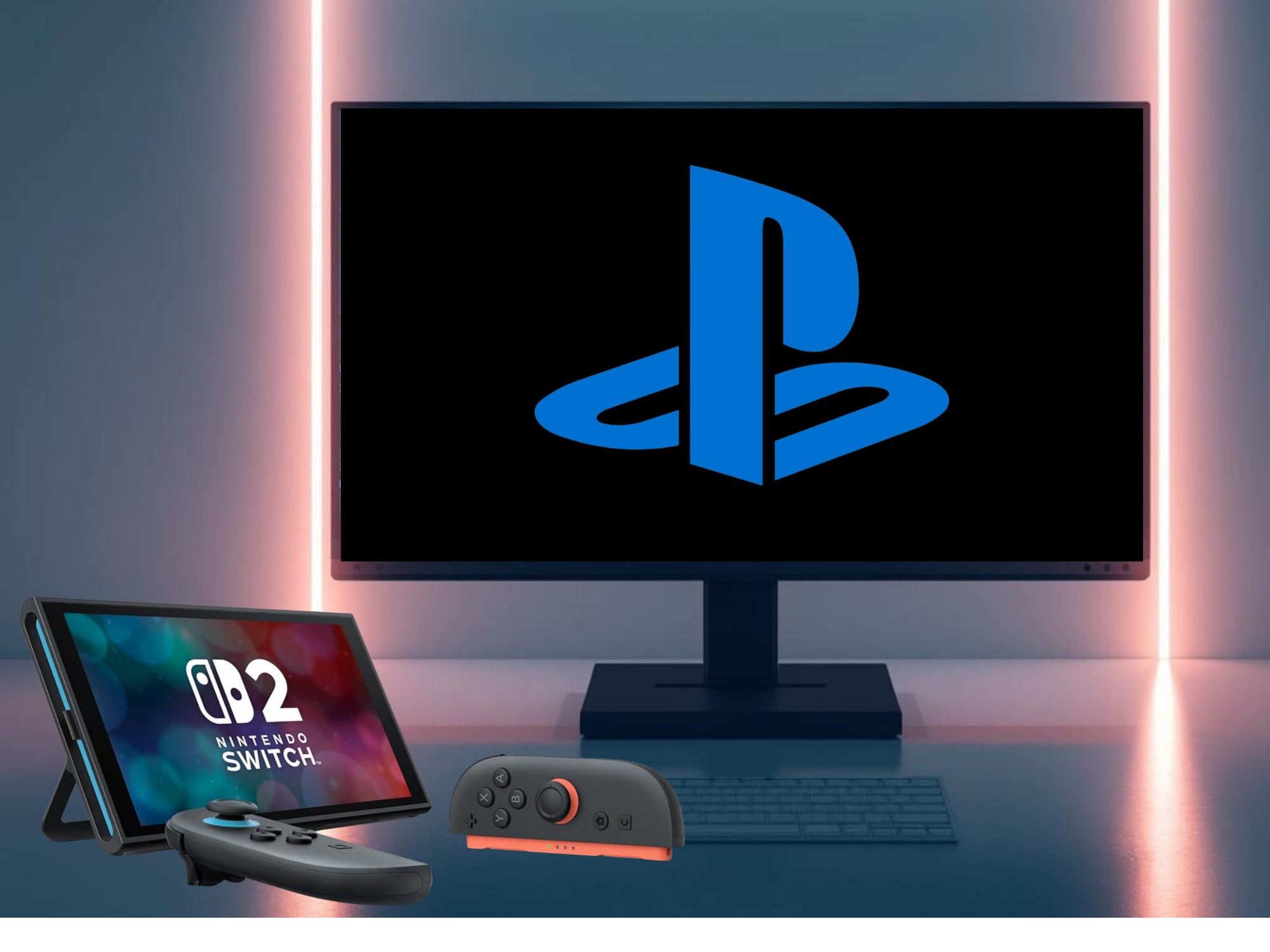
As more big-name games arrive on multiple platforms, it’s easy to assume the era of console exclusives is winding down. But according to Shawn Layden, a former top PlayStation executive, exclusive games still matter—and not just out of tradition. In his view, as long as dedicated gaming hardware like the PS5 and the Nintendo Switch 2 exists, exclusives will continue to deliver real value for players, developers, and the platforms themselves.
Speaking on the Pause for Thought podcast, Layden explained that he doesn’t believe every title should be locked to one console. At the same time, he argues that strong exclusives remain a powerful way for a platform to build its identity. Certain characters and franchises have become inseparable from the systems that made them famous. Think of how Mario is closely tied to Nintendo hardware, or how Nathan Drake and the Uncharted series helped define PlayStation for many fans. For a lot of gamers, those connections aren’t just marketing—they’re the reason they choose one console over another.
Layden also highlighted another key point in the exclusives debate: hardware features. The PS5 and Switch 2 aren’t interchangeable boxes with different logos. They offer distinct capabilities, and some games are designed specifically to show off what that hardware can do. He pointed to Astro Bot as a title built to spotlight the PS5 DualSense controller. On Nintendo’s side, the company is pushing new ideas too, including making Joy-Con “mouse mode” more practical on the Switch 2. When a game is built around these unique features, moving it to every platform can water down what made it special in the first place.
That doesn’t mean Layden is against cross-platform releases. In fact, he suggests certain types of games benefit far more from being available everywhere—especially multiplayer-focused titles and live-service games that thrive on large communities. That thinking lines up with the industry’s growing push for broader launches, including recent examples of games expanding beyond their original console homes.
Still, Layden believes single-player exclusives will continue to play a major role, particularly on PlayStation. Some story-driven PS5 games are expected to remain console-only, at least for a period of time, even if a PC version might eventually follow later. This “delayed PC launch” approach has become a familiar strategy, giving a console exclusivity window while still tapping into the massive PC gaming audience down the road.
Looking ahead, Layden acknowledged the appeal of a future where one device can play everything. That idea is gaining momentum as companies explore new hardware directions. Microsoft is leaning harder into PCs and Windows as part of the broader Xbox ecosystem, while Valve continues experimenting with living-room-friendly gaming machines powered by Linux. Both approaches chase the same goal: a unified library that dwarfs what any single console storefront can offer.
Even so, the console audience isn’t identical to the PC audience. Many console players prefer the simplicity of a living-room setup—plug in, sit back, and play—without the troubleshooting and hardware choices that can come with PC gaming. Because of that divide, Layden suggests exclusives may stick around until someone truly finds a way to merge the best parts of the desktop and console experience into one seamless platform.
For now, the message is clear: cross-platform gaming may be the trend, but PS5 and Switch 2 exclusives still have a purpose. Whether it’s shaping a brand, driving hardware sales, or showcasing features other platforms can’t replicate in the same way, exclusives remain one of the strongest tools console makers have—and Layden doesn’t see them disappearing anytime soon.