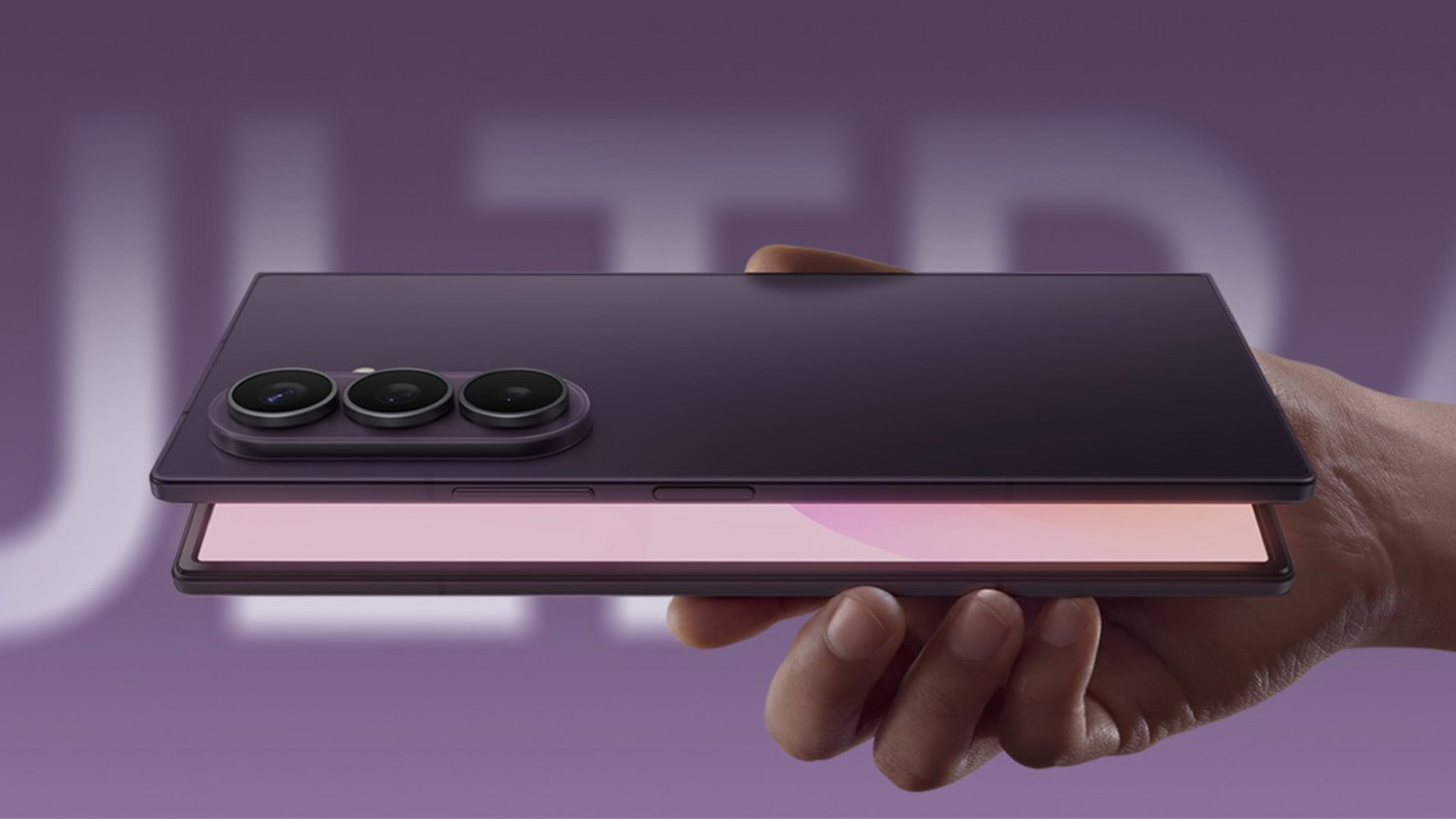
Samsung Galaxy Z Fold 8 Ultra’s ultra-thin design may come with a serious cooling trade-off
Samsung appears to have pushed foldable phone engineering to an extreme with the Galaxy Z Fold 8 Ultra. At just 4.1mm thick when fully unfolded, the device is expected to be one of the thinnest foldable smartphones ever made. That slim profile sounds impressive on paper, especially when compared with other ultra-thin premium phones, but early internal images suggest Samsung may have sacrificed one important feature to get there: stronger thermal management.
According to an image shared online, the Galaxy Z Fold 8 Ultra may not include a vapor chamber cooling system. Instead, the device appears to rely on a graphite sheet to help manage heat from the Snapdragon 8 Elite Gen 5 and other internal components. While graphite cooling can help spread heat across a device, it is generally not as effective as a proper vapor chamber, especially when a powerful flagship processor is pushed under heavy workloads.
That could be a concern for users expecting top-tier performance from a phone rumored to cost $2,099.99 for the base model in the United States. At that price, many buyers will expect Samsung’s most advanced hardware, not only in display and design, but also in sustained performance.
The Snapdragon 8 Elite Gen 5 is expected to be a powerful chipset, but high-end mobile processors can generate significant heat during gaming, video recording, multitasking, and AI-heavy tasks. In a traditional smartphone, manufacturers have more room to add larger cooling systems. In an ultra-thin foldable, internal space is far more limited, making heat dissipation much more difficult.
This is where the Galaxy Z Fold 8 Ultra’s slim body could become a disadvantage. A thinner chassis may look and feel futuristic, but it leaves less room for heat to spread and escape. Without a vapor chamber, the processor may reduce performance more quickly to keep temperatures under control. This process, known as thermal throttling, can lead to lower frame rates, slower app performance, and reduced responsiveness during demanding tasks.
For everyday use, the Galaxy Z Fold 8 Ultra will likely perform well. Activities such as browsing, messaging, watching videos, scrolling through social media, and using productivity apps should not create major issues. Samsung’s software optimization may also help balance performance and battery efficiency during normal usage.
The bigger question is how the device will handle more intense scenarios. Recording high-resolution video in hot weather, using the camera for long sessions, running demanding games, or playing console-quality titles through emulation could expose the limits of the cooling setup. In warm and humid environments, even basic camera use can push a thin device closer to its thermal limits.
For mobile gamers, this could be especially disappointing. The Galaxy Z Fold series is often appealing because of its large inner display, which makes gaming, multitasking, and media consumption more immersive. But if the Galaxy Z Fold 8 Ultra struggles to maintain peak performance during long gaming sessions, the experience may not match what buyers expect from a premium foldable.
Samsung may have had several reasons for this design choice. The company could have prioritized thinness above all else, aiming to create a foldable that feels more like a regular smartphone when open. Rising component costs, tighter internal packaging, battery placement, hinge design, and weight reduction may also have influenced the decision.
Still, for a device positioned at the very top of the foldable phone market, the lack of a vapor chamber could become a major talking point. Premium buyers are often willing to pay more for cutting-edge design, but they also expect fewer compromises. If Samsung is asking more than two thousand dollars for the Galaxy Z Fold 8 Ultra, many users may expect the device to deliver strong sustained performance, not just a thinner body.
The Galaxy Z Fold 8 Ultra could still be an impressive foldable with a stunning display, advanced cameras, premium build quality, and a remarkably thin frame. However, if early internal images are accurate, Samsung’s pursuit of thinness may have created a thermal limitation that power users will want to consider before upgrading.
For casual users, this may not be a deal-breaker. For gamers, creators, and anyone who frequently pushes their phone to the limit, the cooling system could make a noticeable difference. The Galaxy Z Fold 8 Ultra may be one of Samsung’s most ambitious foldables yet, but its ultra-slim design may come at the cost of long-lasting peak performance.