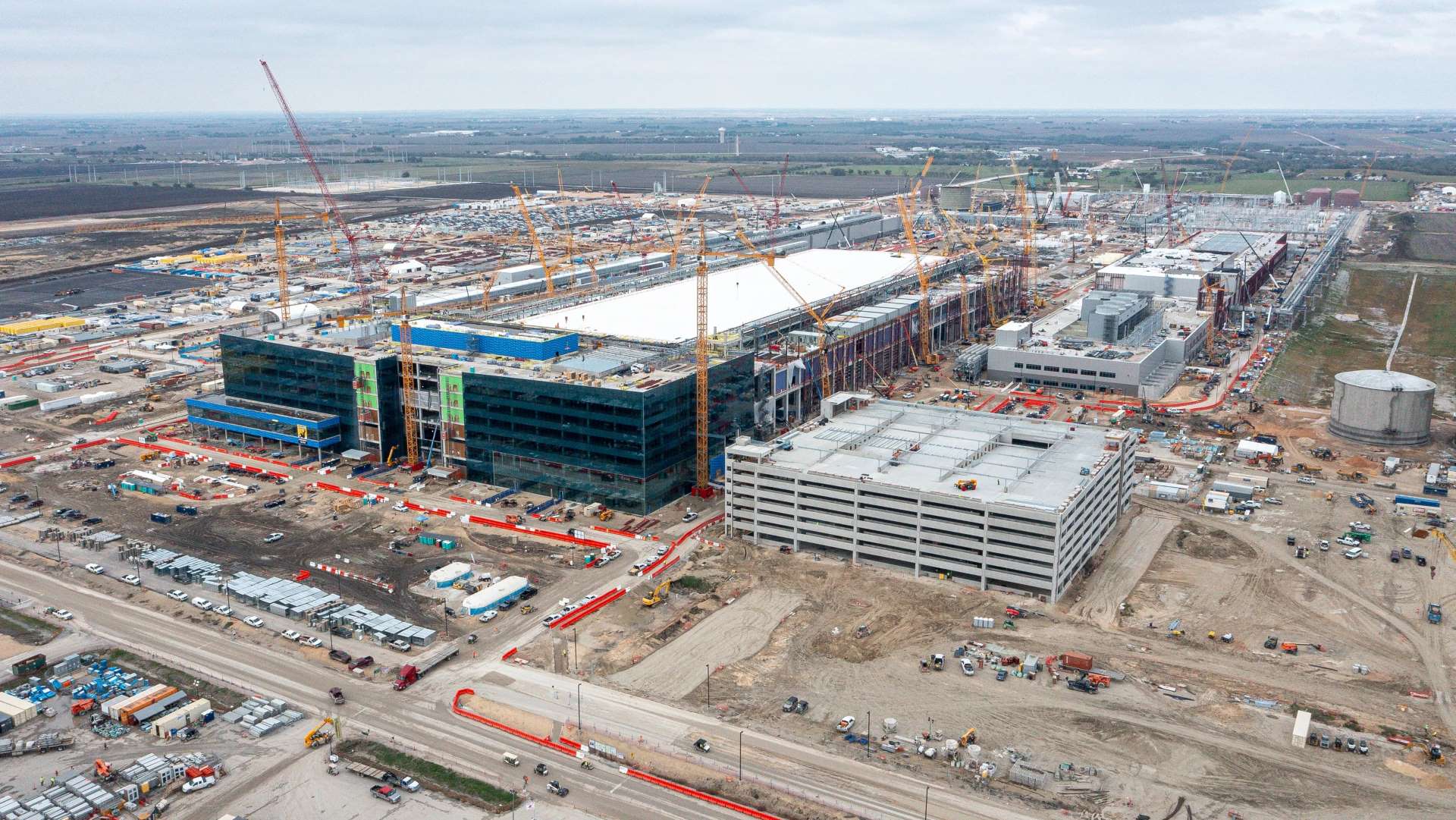
Samsung’s push toward 2nm gate-all-around chip production is accelerating, with ASML assembling a dedicated team to install and support extreme ultraviolet lithography systems at Samsung’s new Taylor, Texas fab. The facility is gearing up to manufacture high-performance AI chips and other advanced silicon on the 2nm GAA node, with the Exynos 2600 expected to be the first product out of the gate.
A recent hiring move by ASML for a field service engineer in the Austin area points to preparations moving into high gear. The company is organizing a Taylor-specific team to handle EUV setup, alongside a separate field service group focused on installation and testing before the equipment reaches the site. EUV is indispensable for 2nm GAA wafer production, making these steps critical to getting the fab into full operation.
Industry chatter suggests the Taylor plant is nearing the start of production. ASML is understood to be optimistic that Samsung’s foundry business will regain momentum once the site goes live. In earlier reports, Samsung was said to have started initial mass manufacturing of the Exynos 2600 by the end of September, albeit at a modest monthly volume of around 15,000 units. Scaling beyond that will hinge on how quickly EUV tools are installed and how fast yields mature.
Speeding up the purchase and deployment of multiple EUV systems could shorten Samsung’s ramp to stable, high-yield 2nm output. There are also signs of growing customer interest: Qualcomm has reportedly received Snapdragon 8 Elite Gen 5 samples built on a 2nm GAA process for evaluation. If yield and performance targets are met, Samsung could secure additional flagship orders and expand its foundry partnerships.
The takeaway is clear: EUV installation at Taylor is the tipping point. Once those scanners are in place and tuned, Samsung’s 2nm GAA roadmap—spanning AI chips, mobile processors like the Exynos 2600, and potential flagship designs for top clients—can move from pilot runs to meaningful volume.