Samsung HBM Prices Reportedly Lead Rivals as Data Centers Pay More for Reliable AI Memory Supply
The boom in artificial intelligence has turned high-bandwidth memory into one of the most valuable components in the semiconductor industry. As data centers race to secure memory for AI accelerators, major DRAM suppliers are seeing stronger profits and greater pricing power. However, not every memory maker is able to charge the same premium.
Samsung is reportedly commanding higher prices than rivals such as Micron and SK hynix, largely because large data center customers are willing to pay extra for dependable supply. In the AI hardware market, availability can be just as important as performance, and Samsung’s scale appears to be giving it an advantage.
According to industry estimates shared through an expert interview, Samsung’s HBM pricing is around $4.50, making it as much as 25 percent higher than competing quotes. Micron is said to be pricing its HBM at about $4.00, while SK hynix is reportedly quoting between $3.60 and $3.80.
That gap shows how much premium buyers value shipment reliability. For hyperscale data centers and AI infrastructure companies, delays in memory supply can slow server deployment, reduce GPU utilization, and affect revenue plans. As a result, customers may be willing to accept higher HBM costs if a supplier can guarantee volume and consistency.
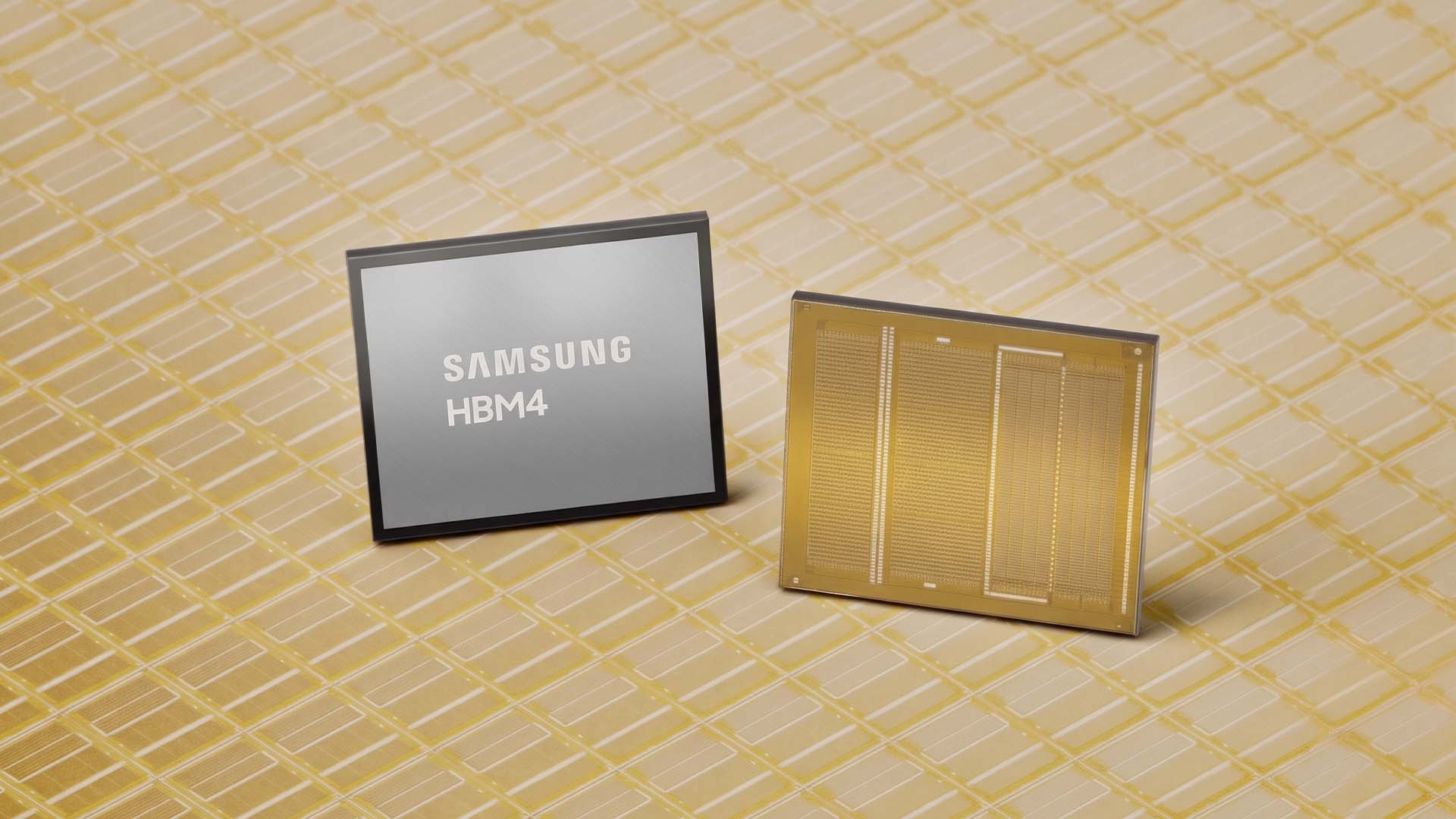
The exact HBM generation tied to the $4.50 figure was not specified, but Samsung’s upcoming HBM4 has previously been estimated in the mid-to-high $4 range. That would make it significantly more expensive than the company’s earlier HBM3E pricing, highlighting how quickly AI memory has become a high-margin business.
Samsung’s pricing advantage may come from more than just memory production. Unlike some competitors, Samsung also operates an advanced foundry business, giving it more control over key manufacturing steps and process technology. This wider semiconductor ecosystem could help the company improve HBM4 yields, reduce defects, and stabilize output.
Recent estimates have suggested that Samsung has achieved strong HBM4 yield progress, with figures reportedly reaching around 80 percent. If accurate, that would place the company in a stronger position as AI chipmakers and cloud providers prepare for next-generation accelerator platforms.
Micron, meanwhile, is still benefiting heavily from strong DRAM demand. Even if its HBM pricing is lower than Samsung’s, the company is expected to generate extremely high margins in the coming years as data center memory demand remains elevated. SK hynix also remains a major HBM supplier and has been deeply tied to the AI GPU supply chain, but Samsung’s broader manufacturing base may allow it to negotiate more aggressively.
Samsung’s mature 4nm manufacturing capabilities may also support its HBM4 strategy by helping reduce production issues and free up resources for other advanced chip projects. At the same time, the company is investing in newer technologies such as 2nm process development and next-generation 5G modem production, strengthening its position across both memory and logic semiconductors.
This combination of memory scale, foundry access, and advanced process development gives Samsung a layered advantage. While Micron and SK hynix remain powerful players in the high-bandwidth memory market, Samsung may be able to justify its premium pricing by offering what data centers need most: large-volume supply, predictable delivery, and confidence in future HBM4 availability.
As AI infrastructure spending continues to grow, HBM pricing is likely to remain a key battleground among memory manufacturers. Performance matters, but in a market where every major cloud company is fighting for AI capacity, the supplier that can ship consistently may be the one that gets to charge the most.