Home Assistant is testing a new live USB installer that could make it much easier to install Home Assistant OS on generic x86-64 computers, including mini PCs, older desktops, and other spare hardware often used for smart home projects.
The new installer arrived in the latest alpha release of Home Assistant Installer, published on October 23, 2026. For now, the feature is still experimental and is being treated as a proof of concept rather than a finished installation method. Even so, it points to a more beginner-friendly future for anyone who wants to turn an unused computer into a dedicated Home Assistant hub.
Home Assistant OS already supports compatible x86-64 systems, but the current setup process can be intimidating for less technical users. It typically involves preparing bootable media, manually writing an operating system image, and carefully selecting the correct target drive. A mistake during that process can erase the wrong storage device, which is why many users approach x86-64 installations with caution.
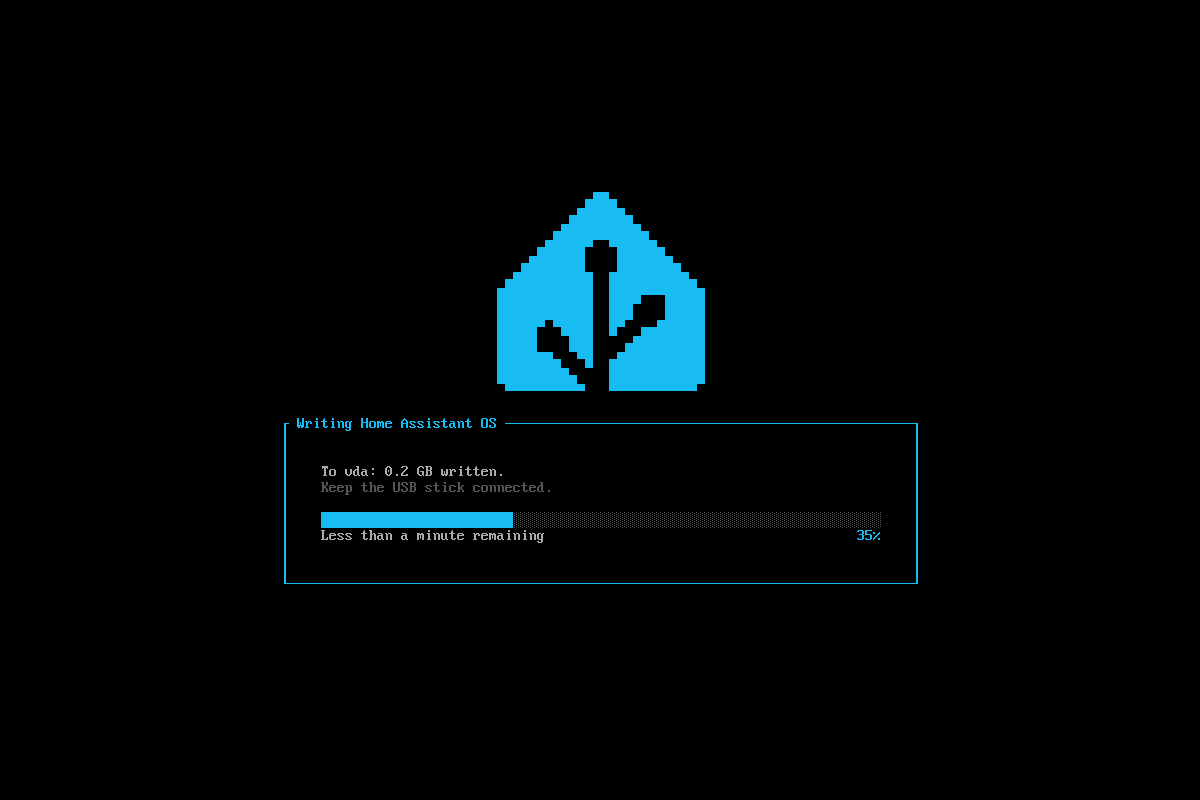
The new live USB installer is designed to simplify that experience. Instead of relying entirely on manual image writing, users would boot from a USB drive and use a visual installer interface to guide the process. The early version includes a full-screen installation environment, a visual progress indicator, clearer drive identification, and a confirmation screen after Home Assistant OS has been installed.
Another important addition is image verification using signed checksums. This helps confirm that the Home Assistant OS image being installed is authentic and has not been corrupted. That extra layer of verification could make installations safer and more reliable once the tool becomes stable.
The installer also adds stronger warnings before erasing storage devices. This is especially important for people installing Home Assistant OS on mini PCs or older computers that may still contain existing data. While clearer warnings and better drive labels are welcome improvements, they do not remove the risk entirely. Users still need to carefully confirm which drive they are selecting before proceeding.
For mini PC owners, this could become one of the most useful Home Assistant improvements in some time. Mini PCs are popular for smart home setups because they are compact, efficient, and often powerful enough to handle automations, add-ons, integrations, and local services. A smoother installation process would make it easier for more people to repurpose affordable hardware instead of buying a dedicated appliance.
However, the new installer is not ready for everyday use yet. The current release is version 0.0.0-alpha.4, which means it is a pre-release build intended for testing and feedback. Home Assistant has not announced when the live USB installation option will become stable or recommended for general users.
The alpha release also includes a range of other changes beyond the live USB feature, including interface refinements, accessibility updates, and adjustments to the installation workflow. These improvements suggest that Home Assistant is working toward a cleaner and more approachable setup process overall.
Anyone planning to install Home Assistant OS today should still rely on the official stable installation instructions. The new live USB installer is promising, but it should not yet be considered a replacement for the established setup method.
Still, this early version is an encouraging step. If development continues, Home Assistant users may soon have a much simpler way to install Home Assistant OS on mini PCs and other x86-64 hardware, making it easier than ever to build a reliable local smart home server from equipment they already own.