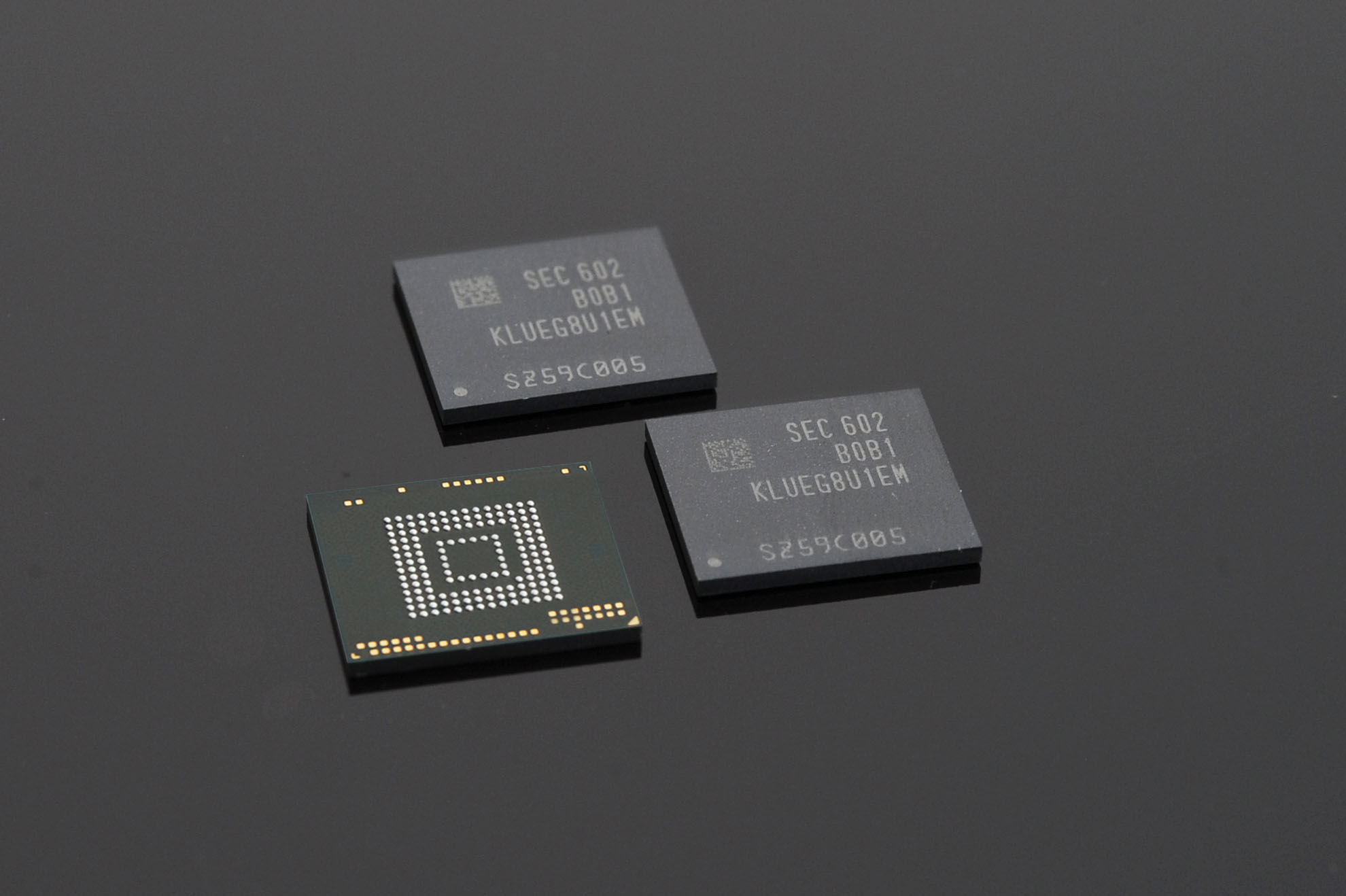
Apple may have one of the strongest supply chains in the tech world, but even it isn’t fully protected from the growing pressure on DRAM availability. With memory shortages tightening across the industry, Apple has reportedly been working aggressively to lock in enough LPDDR5X supply for future iPhones, including direct negotiations with Samsung in South Korea to secure long-term capacity.
The good news for Apple is that early shipments of LPDDR5X memory appear to be secured. The catch is the price. DRAM costs have surged dramatically, and Apple is now paying far more than what Samsung initially aimed to charge as a premium.
Just how steep is the increase? At the start of 2025, companies buying 12GB LPDDR5X memory chips were reportedly paying around $25 to $29 per unit. By the end of the year, that number had climbed to about $70. A report from Dealsite claims the situation has become intense enough that Apple agreed to a 100% price increase from Samsung. Interestingly, Samsung was said to be targeting a 60% increase, but it opened negotiations at 100% as a starting point, apparently expecting the final agreement to settle closer to its original goal. Instead, Apple ended up accepting the higher figure to ensure supply.
That willingness to pay up sends a clear signal: if Apple feels compelled to spend significantly more to secure DRAM, other manufacturers without Apple’s leverage may be facing even tougher negotiations and tighter supply constraints.
Still, Apple has a major advantage that helps it handle rising component costs better than most: its Services business. Analyst Ming-Chi Kuo of TF International Securities has suggested Apple could absorb the added memory costs for the iPhone 18 lineup rather than passing them directly to consumers. The logic is that keeping iPhone pricing more stable during market turmoil could help Apple increase shipments, while Services revenue provides a financial buffer.
That cushion is substantial. Apple’s Services division reportedly generated $30.013 billion in fiscal Q1 2026 alone, a level of revenue that outpaces many major technology companies entirely. It also helps balance performance when other parts of Apple’s business slow down during weaker quarters.
Even with Apple’s ability to offset component inflation, the iPhone 18 lineup is still rumored to see a price increase this year. For now, there’s no clear confirmation on whether higher DRAM costs will translate into higher prices for buyers, but the memory market is clearly putting pressure on even the biggest players.