Apple may be one of the world’s most valuable companies, but even it has to play defense when the memory market gets tight. A global DRAM shortage is pushing prices upward, and with Apple’s long-running supply agreements reportedly nearing their end early next year, the company is moving quickly to protect its iPhone roadmap from cost spikes and component uncertainty.
A new report says Apple has locked in a fresh arrangement with Samsung, making the Korean giant Apple’s biggest DRAM supplier. The deal is expected to cover roughly 60 to 70 percent of Apple’s DRAM shipments, supplying memory not only for the iPhone 17 lineup but also for next year’s iPhone 18 family.
Why Apple is leaning so heavily on Samsung this time
Apple typically prefers to split critical components between multiple suppliers. That strategy helps the company negotiate better pricing, reduce risk, and ensure stable production. In iPhones, DRAM has historically come from a mix of Samsung, SK hynix, and Micron.
But conditions in the memory industry are shifting. According to the report, SK hynix is prioritizing its manufacturing capacity for high-bandwidth memory (HBM), a fast-growing category tied closely to AI servers and advanced computing. With capacity under pressure, Apple needs a partner that can still deliver massive volumes of mobile DRAM while meeting strict performance and quality targets.
That’s where Samsung comes in. The report suggests Samsung may be the only manufacturer currently able to hit both Apple’s volume requirements and its demanding technical standards for upcoming iPhones.
iPhone 18 memory upgrade rumors point to bigger bandwidth and better AI performance
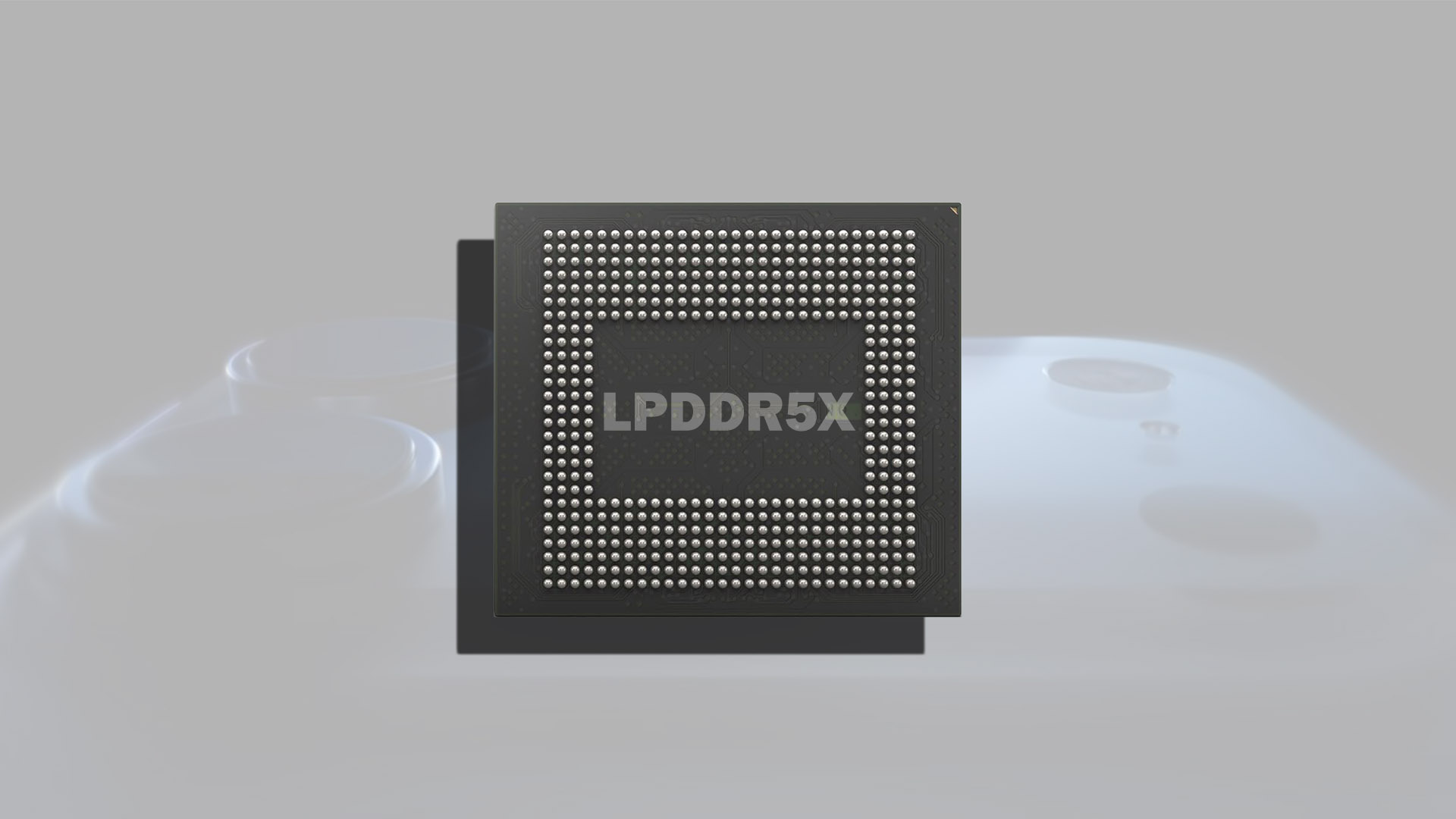
The iPhone 18 series is expected to arrive in the third quarter of next year, and rumors point to a move to six-channel LPDDR5X memory. That kind of configuration would increase memory bandwidth, which is especially important for on-device AI features, faster multitasking, imaging workloads, and overall responsiveness.
The catch is that Apple’s requirements for DRAM reportedly go beyond standard industry specifications. The report claims Apple’s “spec” is unusually strict and exceeds baseline JEDEC standards, meaning not every supplier can qualify even if it can produce LPDDR5X in volume.
The A19 and A20 chips may demand tighter electrical behavior
Another detail from the report highlights how closely memory needs to match Apple’s silicon. Chipsets such as the A19 and A19 Pro, and next year’s A20 and A20 Pro, are said to not tolerate even brief voltage spikes. That kind of requirement can narrow the field of compatible DRAM suppliers, especially at the scale Apple needs.
Samsung’s 12GB LPDDR5X chips are also described as extremely thin at just 0.65mm, which matters in the relentless space constraints of modern smartphones. The report adds that these chips offer improved thermal resistance (up by 21.2 percent) and reduced power consumption (down by 25 percent). Those efficiency gains can translate into better sustained performance and potentially improved battery life—exactly the kind of advantages Apple looks for in flagship iPhones.
DRAM prices are rising fast—and Samsung stands to benefit
The current DRAM shortage is also becoming a major profit driver. The report estimates the shortage could contribute to Samsung’s annual operating profit reaching $73 billion in 2026. One dramatic example: the price of a 12GB LPDDR5X RAM chip is said to have climbed from about $30 at the start of the year to around $70.
Apple may be able to cushion the impact by placing massive orders across both iPhone 17 and iPhone 18 production. The company can also offset some component cost pressure by keeping more of the core technology in-house, including its A-series processors and the C2 5G modem, which helps reduce reliance on third-party chip pricing.
Bottom line: Apple is securing its iPhone supply chain early
With memory prices climbing and supply tightening, Apple appears to be prioritizing stability and guaranteed volume—even if it means Samsung takes a significantly larger share of iPhone DRAM shipments than usual. If the report is accurate, iPhone 17 and iPhone 18 buyers could benefit from faster, more efficient LPDDR5X memory that supports next-generation AI features, while Apple protects itself from the worst of the DRAM market’s volatility.