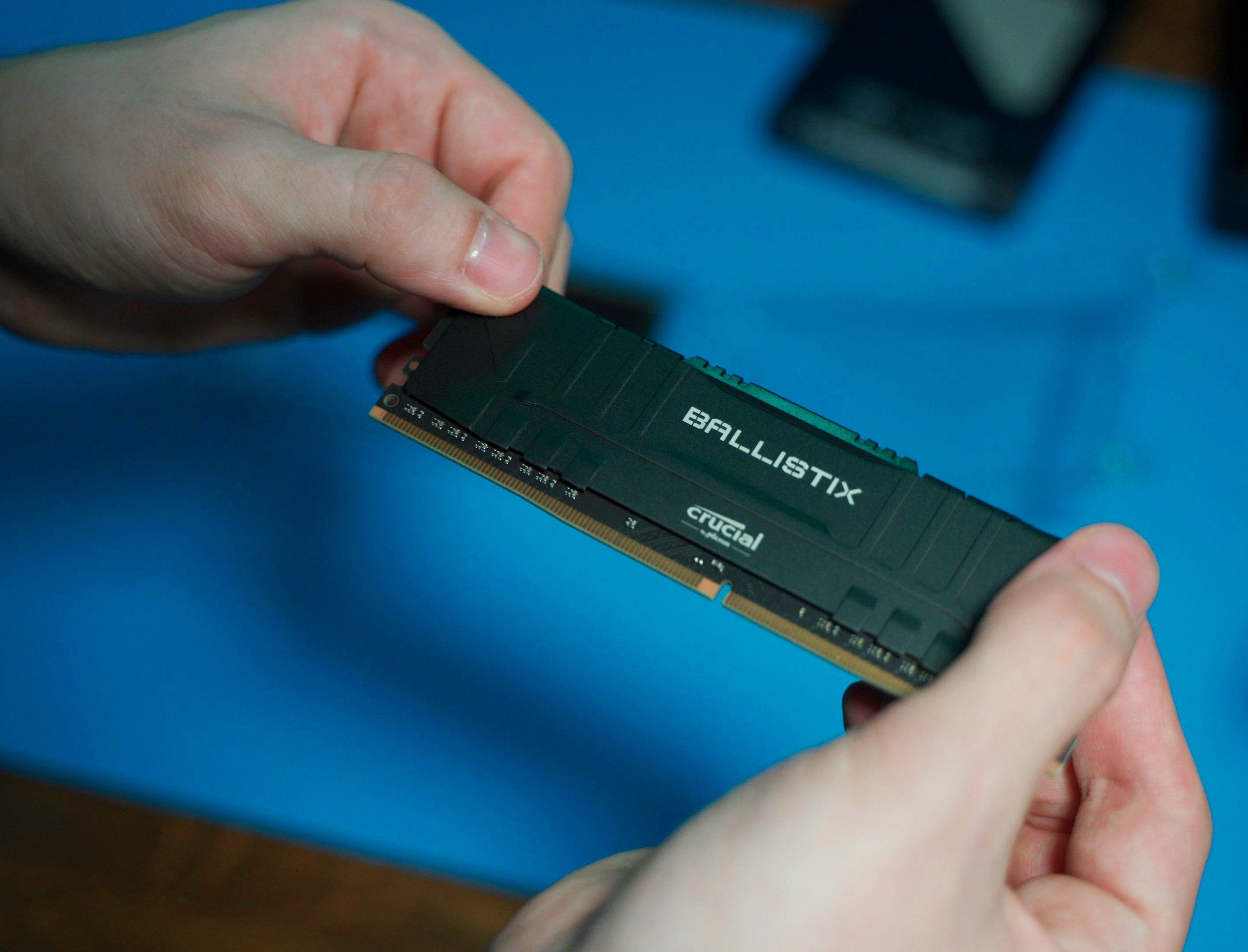
Memory prices are poised to climb even higher, and shoppers hoping for a quick return to “normal” pricing on gaming PCs, laptops, smartphones, and SSDs may need to brace for a long wait. New comments from Samsung, one of the world’s biggest memory producers, suggest the current DRAM crunch could intensify in 2027, pushing costs up further before any real relief arrives.
The surge began in late 2025, when RAM and flash memory pricing jumped sharply as demand accelerated far faster than supply. The biggest driver has been the ongoing AI boom, which is soaking up enormous amounts of memory for data centers and advanced computing infrastructure. Major AI players are buying at scale, effectively locking in large portions of global production and leaving less inventory available for the consumer market.
According to Samsung’s outlook, the supply-demand imbalance isn’t just lingering—it’s expected to widen. The company anticipates that demand for both DRAM and NAND tied to 2027 production will remain extremely high, while available supply may not be able to keep pace. If that gap expands as predicted, additional price increases become difficult to avoid. Whether pricing pressure eases in 2028 or drags on longer will depend on two key factors: how quickly demand growth cools, and how fast manufacturers can expand production capacity.
For memory makers, the situation is proving highly profitable. Samsung’s chip business reportedly saw profits jump dramatically in early 2026 compared with the same period a year earlier, and industry chatter indicates that much of the company’s 2027 output is already spoken for. That kind of forward-sold production suggests buyers are still expecting tight supply and are willing to commit early, even at elevated prices.
Current market pricing highlights just how dramatic the shift has been. A 32GB DDR5 RAM kit that sold for about $91 last August is now priced around $394. Storage is seeing similar pressure: a 2TB Samsung 990 Pro M.2 SSD that cost roughly $119 last year is now listed around $572—and at times it’s not even readily available at that price.
For consumers, the takeaway is clear: if you’re planning a PC build, upgrading a laptop, or adding more SSD storage, waiting for a near-term price drop may not pay off. With Samsung expecting the DRAM situation to worsen in 2027 and broader supply constraints still unresolved, the memory market could remain expensive for the foreseeable future.