ASML Reportedly Raises EUV and DUV Parts Prices by 10% as AI Memory Boom Reshapes Chip Industry
ASML is reportedly preparing a major price increase for replacement parts used in its advanced chipmaking machines, a move that could ripple across the global semiconductor industry. The Dutch semiconductor equipment giant is said to be raising prices by a flat 10 percent for parts used in both EUV and DUV lithography systems, with Samsung and SK hynix reportedly accepting the new pricing.
The increase is expected to take effect in January 2027. According to industry reporting, ASML sent the proposal to Samsung and SK hynix through its Korean subsidiaries last month. Both companies appear to have agreed to the revised pricing, likely because their memory businesses are currently enjoying a major profit surge driven by strong demand for DRAM, especially as artificial intelligence infrastructure continues to expand.
The timing is significant. Samsung and SK hynix are among the biggest beneficiaries of the ongoing AI hardware boom, as demand for high-performance memory chips continues to climb. Data centers, AI accelerators, servers, and advanced computing platforms all require large quantities of fast memory, giving major DRAM suppliers stronger pricing power and higher margins.
ASML now appears to be seeking a larger share of that growth.
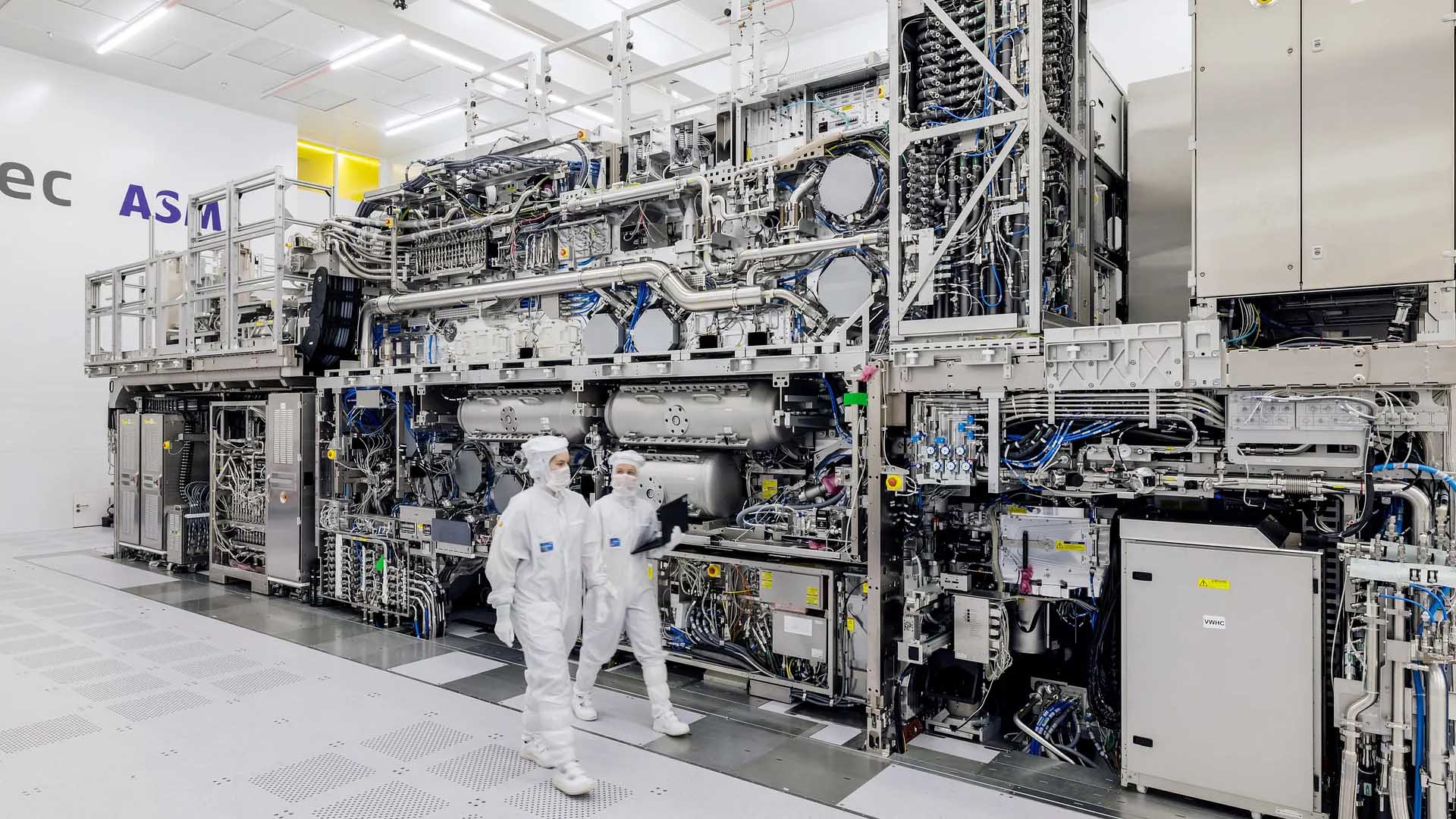
The reported 10 percent increase applies to replacement parts used in ASML’s EUV and DUV lithography equipment. These machines are essential for producing modern semiconductors, and they contain a wide range of highly specialized components that require regular maintenance or replacement. These include optical systems, lenses, mirrors, light sources, precision actuators, and other photolithography-related parts.
Because these systems operate at extreme levels of precision, even small components can be expensive and mission-critical. A price hike across all of these parts could significantly increase maintenance costs for chipmakers that rely heavily on ASML tools.
ASML holds a uniquely powerful position in the semiconductor supply chain. It is the only company capable of producing the most advanced EUV lithography machines used for cutting-edge chip manufacturing. That gives the company extraordinary leverage, especially at a time when chipmakers are racing to expand capacity for AI processors, advanced logic chips, and high-bandwidth memory.
The company’s business is already performing strongly. ASML has reportedly forecast revenue growth of more than 30 percent this year, even before the impact of the upcoming replacement parts price increase. With customers such as Samsung and SK hynix seeing strong earnings from memory demand, ASML appears to be aligning its own pricing strategy with the broader profitability trend in the chip industry.
The reported price hike is not limited to Korean semiconductor companies. Chinese customers purchasing DUV lithography equipment are also expected to face the same 10 percent increase. While EUV systems are subject to strict export controls in many cases, DUV equipment remains important for a wide range of semiconductor production processes, making the price adjustment relevant to a broad customer base.
The move also highlights a broader shift in the semiconductor equipment market. As demand for AI chips and memory continues to rise, suppliers across the chipmaking ecosystem are becoming more aggressive with pricing. Equipment manufacturers know that chipmakers need their tools and components to stay competitive, and that urgency is giving suppliers more room to raise prices.
Other major semiconductor equipment companies are reportedly following a similar path. Applied Materials and Tokyo Electron have also increased prices for their products, suggesting that ASML’s move may be part of a wider industry trend rather than an isolated decision.
For chipmakers, these rising equipment and maintenance costs could become a growing challenge. Although companies like Samsung and SK hynix may be able to absorb the higher costs during periods of strong memory pricing, the long-term effect could be more complicated. If equipment, replacement parts, and production costs continue to climb, those increases may eventually work their way through the supply chain.
That means consumer electronics, servers, graphics cards, smartphones, and AI hardware could all become more expensive over time. While the immediate impact may be felt most strongly by semiconductor manufacturers, the final cost often reaches end users in the form of higher product prices.
ASML’s reported 10 percent price increase also sets an important precedent. When the leading supplier of advanced lithography systems raises prices and major customers accept the change, other companies in the semiconductor supply chain may feel encouraged to do the same. In an industry already under pressure from AI-driven demand, supply constraints, and massive capital investment requirements, this could accelerate a new wave of cost inflation.
For now, Samsung and SK hynix appear willing to accept the added expense as they continue benefiting from strong DRAM demand. ASML, meanwhile, seems determined to capture more value from its central role in the chip manufacturing process.
The result is a semiconductor market where nearly every major player is trying to maximize gains from the AI boom. Memory makers are benefiting from rising demand, equipment suppliers are raising prices, and chip manufacturers are investing heavily to secure future capacity. But if this cycle continues, consumers may ultimately be the ones paying the price.