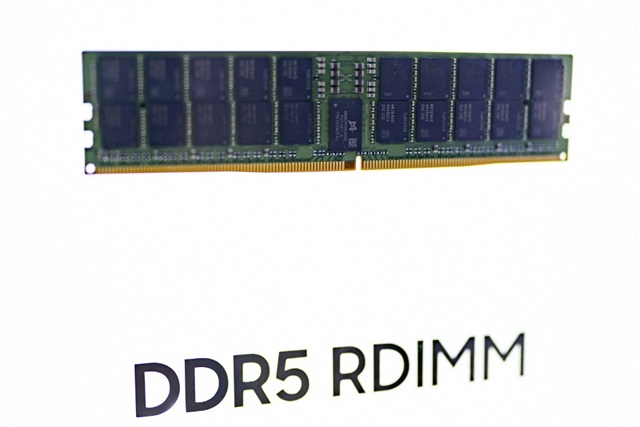
Samsung’s Q3 2025 rebound signals a powerful reset in the global memory market, with the next phase defined by AI-driven infrastructure, a sharper premium product mix, and bold capital investment. This momentum doesn’t just mark a recovery—it outlines how the industry will compete, scale, and innovate in the coming quarters.
AI infrastructure is rewriting demand
The surge in AI workloads is reshaping memory needs across data centers, cloud services, and high-performance computing. Training and inference both require faster, denser, and more power-efficient memory, pushing demand toward advanced DRAM and high-performance storage. As enterprises scale AI clusters and optimize for latency and bandwidth, adoption of next-generation memory technologies accelerates, creating a durable, structural tailwind rather than a short-lived spike.
Premium product mix takes center stage
A more profitable product mix is now core to strategy. The market is moving toward higher-value components, including advanced DRAM, low-power solutions for mobile and edge AI, and server-grade SSDs built for sustained throughput. Prioritizing premium segments helps balance supply, strengthen margins, and align output with where demand is deepest—AI training nodes, enterprise storage, and high-end consumer devices that benefit from faster memory and higher capacities.
Capital spending sets the pace for the next cycle
Heavy capital expenditure is a defining feature of this reset. Investments in cutting-edge fabrication, advanced packaging, and process technology are essential to push density, bandwidth, and energy efficiency forward. This phase isn’t just about adding capacity; it’s about building the technical foundation for AI-era memory and storage—from stackable architectures to tighter integration with accelerators. Smart, targeted spending now positions leaders to capture the next wave of orders as AI deployments scale globally.
Competition intensifies as technology steps up
With multiple players pursuing similar end markets, the competitive landscape is tighter than before. Success will hinge on process leadership, product differentiation, power efficiency, and yields. Memory pricing will remain sensitive to how quickly supply catches up to AI-driven demand, but the overall mix favors companies that can ship premium, high-performance parts at volume. Expect faster product refresh cycles and a stronger focus on technologies that directly enable AI workloads in servers, PCs, and on-device applications.
What it means for customers and partners
– Cloud and enterprise: More options for high-bandwidth, high-capacity memory and storage tailored to AI training and inference, with improved performance-per-watt and total cost of ownership.
– Device makers: Access to premium, power-efficient memory for flagship devices and AI-capable hardware, supporting new features and longer product life cycles.
– Developers and AI teams: Faster iteration on models thanks to improved memory bandwidth and lower latency throughout the stack.
– Channel and integrators: A healthier supply environment for premium components, with clearer roadmaps and stronger ecosystem support.
Why this rebound matters now
This isn’t just a cyclical uptick—it’s a strategy shift aligned with where technology is headed. AI is now a primary demand engine for memory, and companies that align production, R&D, and capital investment with that reality are defining the next hierarchy of performance. The Q3 2025 rebound underscores how a disciplined focus on premium segments and long-term capacity planning can reset growth trajectories.
Key drivers to watch in the coming quarters
– AI data center buildouts and accelerator deployments
– Adoption of next-generation memory standards across servers and devices
– Supply discipline and the pace of capacity additions
– Power efficiency improvements and thermal management advances
– Enterprise storage upgrades tied to AI data pipelines
Outlook
Heading into the next leg of the memory cycle, the market is set up for sustained demand in high-performance components, broader adoption of AI-capable devices, and disciplined execution on capital projects. By leaning into AI infrastructure, prioritizing premium product categories, and maintaining robust investment, the stage is set for continued momentum in a more competitive, innovation-driven landscape.
In short, Q3 2025 marks more than a comeback. It’s the start of a new chapter where AI shapes memory demand, premium products drive profitability, and strategic spending determines who leads the next cycle.