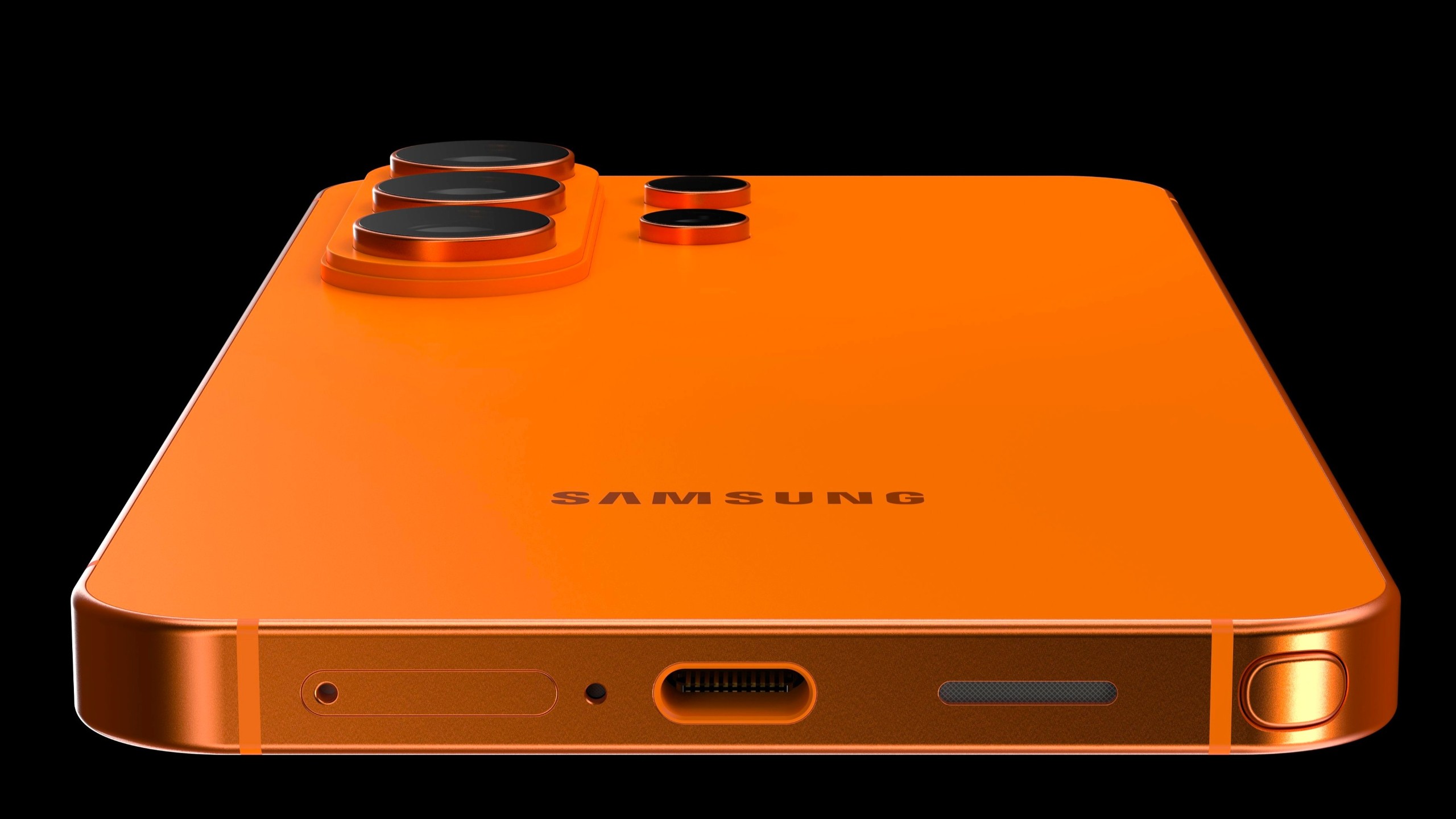
Galaxy S26 series: bold AI promises, new sensors, and a potential shake-up under the hood
If you’ve been following the Galaxy S26 rumor mill, you know it’s been a roller coaster. Early leaks have been light on camera breakthroughs, whispers point to Samsung favoring its in-house Exynos 2600 over Qualcomm’s Snapdragon 8 Elite Gen 5 in some markets, and there’s been plenty of drama about the rumored cancellation of the Galaxy S26 Edge alongside the reported return of the Galaxy S26 Plus. Add in talk of a possible launch delay to March 2026, and it’s no wonder fans are feeling uneasy.
There is, however, a clearer—and more exciting—signal from Samsung itself. During the company’s Q3 2025 financial results and subsequent investor discussions, Daniel Araujo, vice president of the Mobile Experience division, teased a strong leap forward for the S26 lineup. According to him, the next generation will focus on three big pillars: next-gen AI experiences, a second-generation in-house chipset, and upgraded camera hardware. Consider it a strategic reassurance that the Galaxy S26 family is aiming for more than a spec bump.
What that means for performance
Araujo’s comments effectively confirm that the Exynos 2600 will power at least some S26 models in select regions. Built on a 2nm manufacturing process, the chip is expected to deliver stronger efficiency and potentially match the performance of Qualcomm’s 3nm flagship if recent benchmark leaks are any indication. If accurate, this would be a notable turnaround for Exynos, narrowing or even closing the gap many users noticed in previous generations.
Expect regional chipset splits to continue: some countries will likely see the Exynos 2600, while others may get Qualcomm’s Snapdragon 8 Elite Gen 5. The headline here is parity. If Samsung’s 2nm silicon truly holds its own, buyers could enjoy consistent day-to-day speed, battery life, and thermal performance regardless of where they purchase.
AI takes center stage
Next-gen AI is set to be the star. While details remain under wraps, the emphasis suggests deeper on-device processing for faster, more private features. Think smarter photo editing without the cloud, more natural voice assistance, and context-aware tools that adapt to your routine. Pair that with a 2nm chip and you get the promise of better battery efficiency plus sustained performance for longer workloads like generative AI, video editing, or high-end gaming.
Camera upgrades: subtle but meaningful
The mention of “new camera sensors” is especially intriguing. Current whispers point to fresh primary sensors for the Galaxy S26 and Galaxy S26+, a shift that could elevate image quality, dynamic range, and low-light performance. Meanwhile, the Galaxy S26 Ultra is rumored to benefit from a brighter lens—an upgrade that often translates to cleaner night shots and faster focusing in tricky lighting.
There’s also talk of a relatively minor sensor swap for the Ultra’s 10 MP 3x telephoto camera. That sounds incremental on paper, but small changes to sensor size, pixel structure, or stabilization can add up to noticeably sharper zoom photos and more consistent portrait results.
Release timing remains a question mark
One of the most contentious rumors is a delay to March 2026. Nothing is confirmed, and product timelines can shift for many reasons—from supply chain and fabrication capacity to software polish and marketing strategy. The investor-friendly messaging suggests Samsung is focused on delivering a cohesive package, not just racing to a date.
What to watch in the months ahead
– Real-world chipset comparisons: If Exynos 2600’s 2nm process lives up to the hype, expect better efficiency, cooler operation, and competitive peak performance across both chip variants.
– AI features that matter: Look for on-device tools that save time, boost creativity, and protect privacy without sacrificing speed.
– Camera tuning: New sensors and a brighter lens should pair with improved processing to deliver more reliable shots in tough conditions—low light, moving subjects, and mixed lighting.
– Model lineup clarity: With S26 Edge reportedly canceled and S26 Plus making a comeback, watch for how Samsung differentiates the S26, S26+, and S26 Ultra to justify pricing and features.
The bottom line
The rumor cycle may have been messy, but the signal from Samsung’s leadership is strong: Galaxy S26 is being positioned as a meaningful generational step, powered by next-gen AI, a second-generation in-house chipset, and upgraded camera hardware. If the Exynos 2600 delivers near-parity with Qualcomm’s top-tier silicon and the camera tweaks land as promised, the S26 series could be the most balanced Galaxy lineup in years.
As always, take leaks with a grain of salt, but keep your eyes on official teasers and benchmarks. If what’s been hinted is accurate, the Galaxy S26 family might turn early skepticism into genuine excitement.