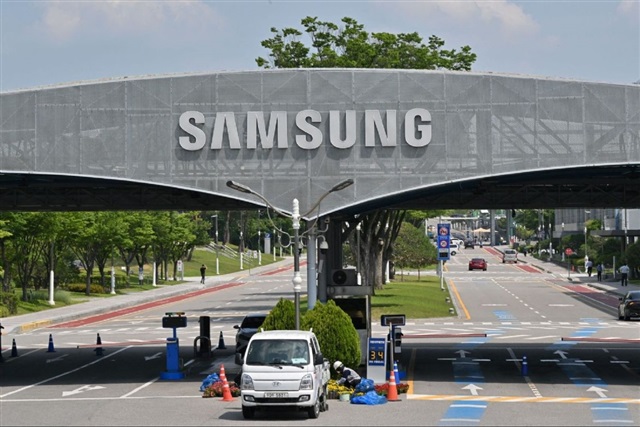
Samsung Electronics is making a major move to modernize its chip manufacturing, and it’s starting with a sweeping cleanup of older equipment. Reports indicate the company is overhauling multiple production lines and has put 123 idle semiconductor tools up for sale across South Korea and its Xi’an site in China. The decision signals a clear focus: Samsung is accelerating the transition from legacy manufacturing setups to more advanced process technologies designed to boost efficiency, output quality, and long-term competitiveness.
Selling off unused tools is a practical step when a manufacturer pivots to newer processes. Semiconductor fabrication equipment is highly specialized, and machines configured for older nodes or earlier NAND flash generations often can’t be easily redeployed when a facility upgrades. By auctioning idle tools rather than keeping them in storage, Samsung can reduce overhead, free up floor space, and streamline operations while it retools lines for next-generation production.
The inclusion of both South Korean sites and Xi’an in this effort stands out. Xi’an is a key location tied to memory production, and changes there typically reflect broader strategy shifts in NAND flash manufacturing. With the memory market constantly pushing toward higher density, better performance, and improved cost per bit, upgrading production lines is one of the most direct ways for a major player to stay ahead. Clearing out older tools suggests Samsung is preparing space and capacity for more modern equipment aligned with advanced process requirements.
This kind of factory overhaul can also hint at a broader roadmap: fewer resources spent maintaining older, less efficient toolsets, and more capital directed toward technologies that can deliver better yields and greater scalability. For consumers and businesses alike, these behind-the-scenes manufacturing upgrades often translate over time into better storage and memory products—whether that’s improved performance, stronger reliability, or more competitive pricing as production becomes more efficient.
While the company hasn’t publicly detailed every aspect of the transition, the reported sale of 123 idle semiconductor tools paints a straightforward picture. Samsung is actively restructuring its manufacturing footprint to support newer technologies, and it’s doing it in a way that signals commitment to long-term capacity planning rather than short-term patchwork fixes.