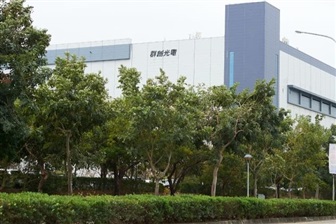
Taiwan’s display industry is entering a turning point. Innolux has decided to close its fifth-generation panel fab, and AUO is moving ahead with a replacement plan of its own. According to industry insiders, all fifth-generation and below panel fabs in Taiwan are likely to be fully shut down within the next two to three years, marking the end of an era for legacy LCD manufacturing lines.
Why this shift is happening
The economics of display manufacturing have changed dramatically. Older fabs—often referred to as fifth-generation and below—were designed for a very different market, one focused on smaller substrates and earlier display technologies. Today’s demand leans toward larger, higher-value panels, more advanced backlighting, and newer production processes that deliver better yields and efficiency. That leaves aging lines with higher costs and less competitive output.
Several forces are driving the consolidation:
– Technology migration: Newer generation lines produce larger mother glass and can support advanced display stacks more efficiently, making legacy lines less attractive.
– Cost pressure: Energy, materials, and depreciation favor fabs with higher throughput and newer equipment.
– Product mix shift: Markets increasingly favor premium monitors, TVs, and automotive displays that benefit from more modern production.
– Global competition: Scale and specialization elsewhere have squeezed margins for older capacity.
What a full phase-out could mean
If the prediction holds and Taiwan shutters its fifth-generation and older lines within the next two to three years, the industry could see a meaningful reallocation of capacity and capital.
– Faster upgrades: Resources tied up in older facilities can be redirected to newer fabs, helping local players stay competitive in higher-value segments.
– Tighter legacy supply: With fewer legacy lines, certain niche or low-volume LCD formats may become harder to source domestically, potentially shifting orders to specialized suppliers or prompting product redesigns.
– Equipment lifecycle changes: Aging tools may be decommissioned, sold into secondary markets, or adapted for specialty applications where feasible.
– Workforce transformation: Skilled labor will likely pivot toward automation-rich lines, process engineering, and higher-end manufacturing roles as companies modernize.
How Innolux and AUO fit into the picture
Innolux’s closure of a fifth-generation fab sends a clear signal that extending the lifespan of older lines no longer makes strategic sense. AUO’s replacement plan points in the same direction: refocus on more advanced capacity that better aligns with current demand and profitability targets. Together, these moves reflect a broader industry consensus that the future lies in newer-generation production, where yields, scale, and product differentiation line up more favorably.
Potential impacts for buyers and brands
– Pricing and availability: As legacy capacity winds down, expect tighter availability for older formats. Meanwhile, investments in newer lines could stabilize or improve pricing and availability for modern panel types.
– Product roadmaps: Brands may accelerate transitions to newer display technologies and sizes that map neatly onto advanced production lines, improving consistency and long-term supply security.
– Quality and features: Upgrading production typically brings higher yields and supports better specs, from brightness and contrast improvements to thinner, lighter designs.
What to watch next
– Timelines and announcements: More detailed shutdown and replacement schedules will clarify the pace of change across Taiwan’s display ecosystem.
– Capacity mix: Keep an eye on how production shifts toward advanced formats and which segments—consumer, commercial, or automotive—see the biggest investment.
– Secondary markets: The fate of decommissioned equipment may influence regional capacity dynamics, especially for specialty or low-cost applications.
The bottom line
Innolux’s decision and AUO’s replacement plan are part of a larger realignment. With industry voices forecasting the complete shutdown of fifth-generation and below panel fabs in Taiwan within the next two to three years, the country’s display manufacturers are firmly pivoting toward newer, more efficient production. The result should be leaner operations, stronger competitiveness in higher-value segments, and a faster pace of technology transitions—albeit with a sunset for legacy lines that helped build the industry in the first place.