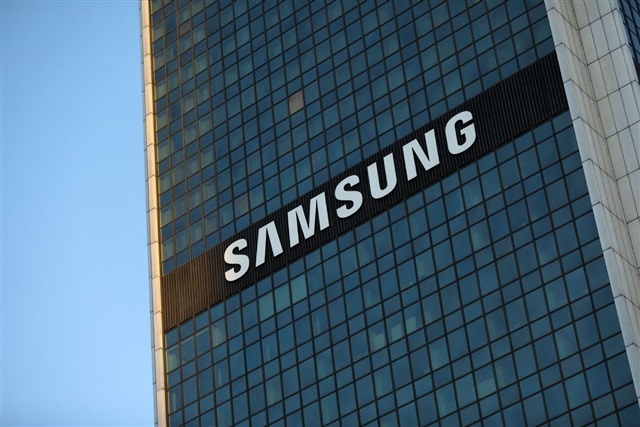
Samsung Electronics is facing growing pressure as an escalating labor dispute begins to ripple far beyond its own operations, raising fresh concerns about global supply-chain stability. With mediation efforts underway but uncertainty still high, companies that rely on Samsung-linked manufacturing and component pipelines are reportedly weighing their options—and some major tech brands are said to be signaling they could reduce their dependence if disruptions intensify.
The dispute is drawing close attention because Samsung sits at the center of several critical technology supply chains. From components used in consumer electronics to manufacturing capacity tied to multiple product categories, even a short-lived disruption can have knock-on effects across shipping schedules, inventory planning, and product launch timelines. That’s why suppliers, industry groups, and corporate customers are already discussing contingency plans rather than waiting for a worst-case scenario.
Reports indicate that Apple and HP have been warning they may exit Samsung’s ecosystem if the situation worsens. While companies routinely build contingency language into supplier relationships, the fact that major brands are said to be openly evaluating alternatives underscores how seriously the market is taking the labor situation. For global manufacturers, the risk isn’t only whether production slows—it’s also the unpredictability that can make forecasting impossible, especially when demand cycles and launch calendars are fixed months in advance.
Behind the scenes, suppliers and partner firms are assessing how exposed they are to any potential slowdowns. That typically includes identifying substitute sources, rebalancing orders across regions, building buffer inventory where possible, and renegotiating delivery windows. Industry groups, meanwhile, often monitor developments for broader market impact, since prolonged instability at a major electronics hub can influence pricing, lead times, and availability across multiple sectors.
For consumers, the immediate effects may not be obvious. But if the dispute drags on or escalates, shoppers could eventually see delayed product availability, reduced promotional supply, or tighter stock on certain electronics. For businesses, the stakes are even higher—especially for brands that must meet enterprise deployment deadlines or coordinate global releases that depend on synchronized manufacturing and logistics.
All eyes are now on the mediation process and whether a workable agreement can be reached quickly. A swift resolution would likely calm partner concerns and stabilize planning. But if uncertainty persists, the conversation may shift from short-term contingency measures to longer-term supply-chain realignment—an outcome that could reshape relationships across the electronics industry well beyond this single dispute.