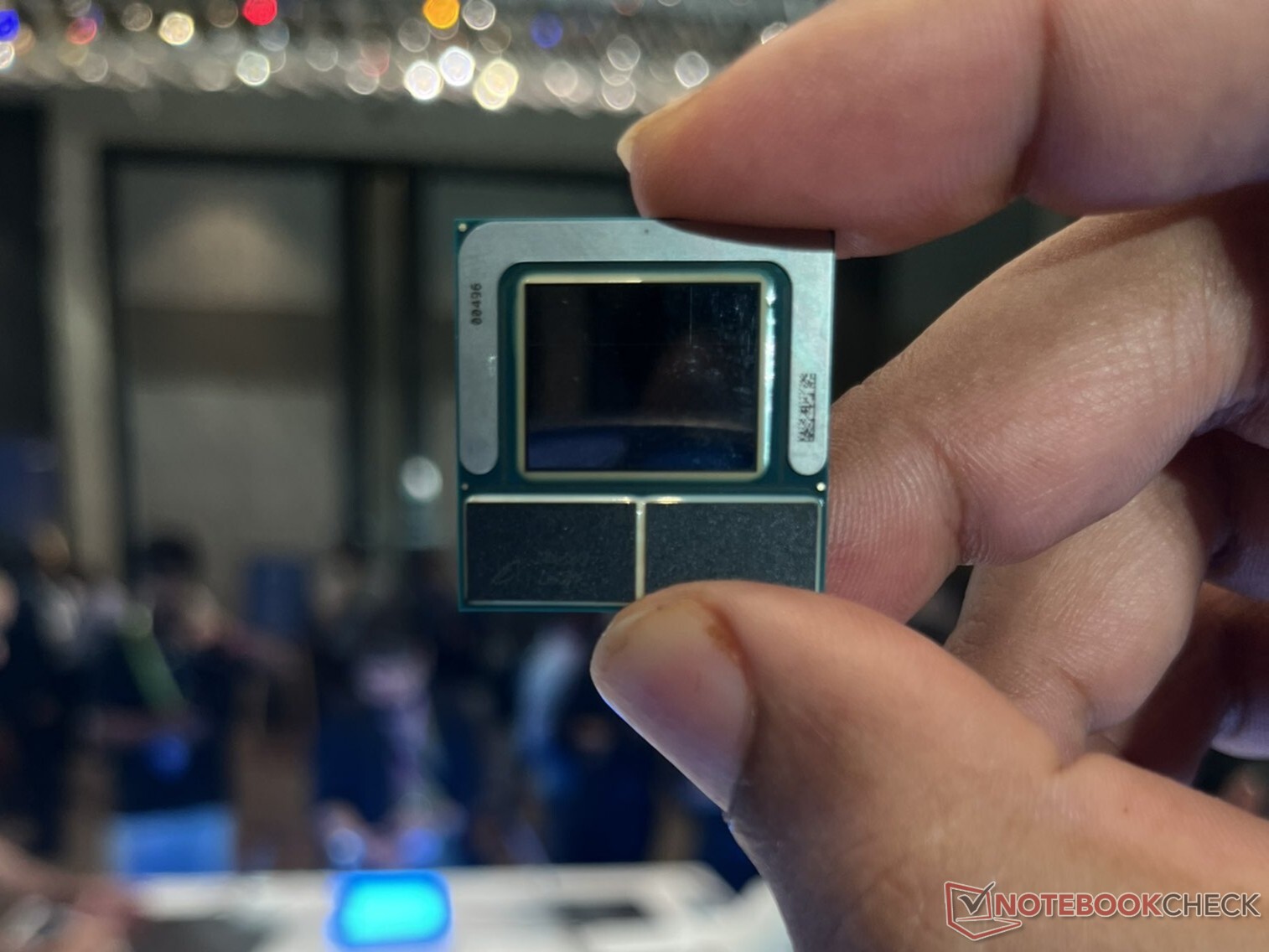
A fresh leak suggests Intel could be preparing a notable comeback feature for a future laptop platform: on-package memory. The rumor points to a chip family called Razor Lake-AX, expected to arrive around 2027, and it may follow a similar design philosophy to Intel’s Lunar Lake by placing system memory directly on the processor package.
Earlier chatter indicated Intel’s broader Razor Lake architecture would be shown off sometime in 2027, likely after Nova Lake has already had time on the market. Until now, there hasn’t been much clarity on what the laptop-focused version might look like. That’s why this new claim is drawing attention—because on-package memory can meaningfully change how thin-and-light laptops perform, especially for graphics-heavy workloads.
According to the leak, Razor Lake-AX will be the only Intel architecture after Lunar Lake to use on-package memory. For consumers, that comes with a clear tradeoff. On the downside, laptop makers are typically limited in how much RAM they can offer, since the memory is part of the package rather than something that can be swapped or expanded through traditional modules. On the upside, tighter integration can improve bandwidth and reduce latency, which often translates into snappier overall performance and a bigger uplift for integrated graphics.
That iGPU angle is a key part of why this rumor matters. Integrated GPUs thrive on fast, high-bandwidth memory, and Intel’s recent strides here have been promising. Panther Lake’s iGPU configuration has been described as surprisingly capable for its class, and the next-generation graphics core could benefit even more if it’s paired with on-package memory from the start. If Intel is indeed leaning into this approach again, Razor Lake-AX laptops could be positioned as more serious gaming-and-creator-friendly machines without relying as heavily on a dedicated GPU.
Timing-wise, Razor Lake-AX could land in a competitive window. The same leak cycle suggests it may go up against AMD’s upcoming Medusa Halo lineup, which is expected to appear around a similar timeframe. If both companies push harder on high-performance integrated graphics, it could spark a new wave of laptops that deliver strong 1080p gaming and accelerated creative work while staying thinner, quieter, and more power efficient than traditional gaming notebooks.
There’s still uncertainty around the CPU core strategy, though. One report claims Razor Lake could ship with a mix of next-gen performance and efficiency cores—specifically Griffin Cove P-cores alongside Golden Eagle E-cores. Another competing rumor says Intel may move away from separate P-core/E-core/LPE-core categories entirely, shifting to a unified core design where power allocation becomes the main differentiator. Until Intel confirms its roadmap, both possibilities remain on the table.
For now, the big takeaway is simple: if Razor Lake-AX really brings back on-package memory, it could signal Intel’s intent to prioritize integrated performance and efficiency in future laptops—potentially creating faster, more capable ultraportables and mainstream notebooks as the 2027 generation approaches.