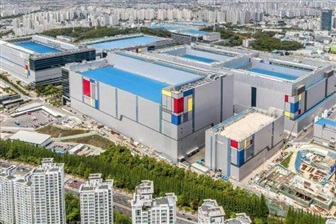
A planned 18-day strike at Samsung Electronics is quickly turning into a major talking point for investors and the global tech supply chain. While labor talks are still at the center of the situation, market attention is increasingly focused on a bigger question: could the walkout disrupt memory chip production at a time when demand for advanced semiconductors remains high?
According to estimates circulating in South Korean media, the potential financial hit could be substantial if operations are interrupted for an extended period. The concern isn’t just about short-term delays, but about what happens when a massive, tightly scheduled semiconductor business loses output even briefly. Memory manufacturing is a high-volume, high-precision operation, and any pause can ripple through inventory planning, delivery schedules, and customer commitments.
Samsung is one of the world’s most important suppliers of memory chips, including DRAM and NAND flash, which power everything from smartphones and PCs to data centers and AI infrastructure. That’s why even the threat of reduced production tends to move sentiment fast. Investors typically watch labor disputes closely, but the semiconductor industry’s sensitivity to supply disruptions can amplify the stakes, especially when customers rely on predictable volumes and stable lead times.
The strike, if it proceeds as planned, would put a spotlight on how quickly output can be affected when staffing and line operations are constrained. For a company with a huge semiconductor footprint, the biggest fear is not only immediate revenue impact, but also longer-term consequences such as missed shipments, reordered priorities, and potential shifts in customer purchasing strategies.
For consumers, any near-term effect is more likely to be indirect. But for manufacturers and enterprise buyers, consistent memory supply can influence pricing, procurement decisions, and product launch timelines. This is why the situation is being watched closely across the semiconductor market: memory is foundational, and a disruption at a top supplier can be felt far beyond one company’s earnings report.
As negotiations continue, the key issue remains whether both sides can reach an agreement that avoids prolonged disruption. Until there’s clarity, the possibility of reduced memory output—and the estimated losses tied to it—will likely remain front and center for investors tracking Samsung’s semiconductor performance and the wider chip market.