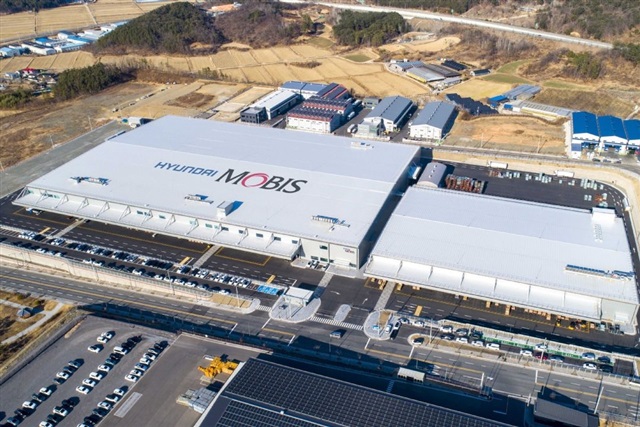
South Korea’s auto industry is facing fresh turbulence as Hyundai Mobis, the country’s largest automotive parts supplier, grapples with consecutive strikes at its production subsidiaries. The walkouts have disrupted parts supply and triggered partial shutdowns at Hyundai Motor and Kia factories that depend on these components—tightening an already pressured operating environment after recent tariffs added to costs and uncertainty.
Why this matters
Hyundai Mobis sits at the center of Hyundai Motor Group’s supply chain, delivering critical modules, electronics, and systems that keep assembly lines moving. When a key supplier stalls, vehicle production across multiple plants can slow almost immediately. The latest strikes are causing ripple effects through the network, forcing temporary line pauses and schedule adjustments at Hyundai and Kia facilities that rely on steady parts flow.
Compounding pressures from tariffs
Even before the labor actions, the sector was navigating headwinds from tariffs that have complicated pricing and planning for exports. Added trade friction can raise costs, compress margins, and push companies to rejigger sourcing or shift production schedules. Layering labor disruptions on top of that magnifies the challenge, increasing the risk of delivery delays, inventory mismatches, and uneven factory utilization.
What’s driving the strikes
Details can vary by subsidiary, but labor actions in the auto parts sector typically revolve around wages, working conditions, shifts and overtime, or job security during technology transitions. Given the pace of change in electrification and advanced safety systems, supplier workforces are pushing for stability and fair compensation, while management aims to balance competitiveness with rising input costs. Negotiations are ongoing, and the duration of the stoppages will determine how deep the production impacts become.
Immediate effects on Hyundai and Kia
– Partial shutdowns: Interrupted parts supply has led certain lines to pause or scale back, particularly at plants tightly linked to the affected subsidiaries.
– Model availability: The mix of trims and configurations reaching dealers could narrow temporarily if specific modules or electronics are constrained.
– Scheduling turbulence: Plants may compress shifts, run alternative line combinations, or re-sequence builds to conserve limited components.
– Logistics reshuffling: To protect export commitments, automakers might prioritize high-demand markets or high-margin models, which can shift delivery timelines elsewhere.
What consumers might see
– Longer wait times for select models or trims
– Limited color or options availability as manufacturers prioritize parts
– Fewer discounts on in-demand vehicles due to constrained supply
– Potential rescheduling of delivery dates if parts shortages persist
How Hyundai Mobis and automakers can respond
– Contingency sourcing: Where possible, redirecting orders to unaffected subsidiaries or qualified partners to backfill critical parts
– Inventory optimization: Allocating scarce modules to lines with the greatest output leverage or customer demand
– Flexible production: Adjusting takt times, swapping build order, and consolidating shifts to match parts availability
– Accelerated negotiations: Seeking faster labor resolutions to minimize downtime and protect export windows
Implications for investors and suppliers
– Earnings sensitivity: Prolonged stoppages can weigh on quarterly production and margins, particularly if tariffs limit pricing flexibility.
– Export targets at risk: Disruptions that overlap with key shipping cycles can push deliveries into subsequent quarters.
– Supplier health: Smaller tier-two and tier-three vendors downstream may feel cash flow strain if order volumes dip temporarily.
– Forecast volatility: Guidance could become more conservative until labor conditions stabilize and tariff impacts are clearer.
Key indicators to watch
– Negotiation timelines and any framework agreements with striking subsidiaries
– Announcements of line restarts or extended pauses at Hyundai and Kia plants
– Lead times quoted by dealers for popular models
– Any changes to production plans, export schedules, or quarterly guidance
– Signals of government facilitation or industry-wide coordination to ease supply bottlenecks
The broader industry context
Global automakers are juggling tight labor markets, evolving trade policies, and the capital-intensive shift to electrified and software-defined vehicles. Suppliers like Hyundai Mobis sit at the nexus of this transition, responsible for delivering increasingly complex modules while facing cost pressures and cyclical demand. When labor issues arise, the effects are felt quickly across assembly lines, dealer lots, and export channels.
Bottom line
Consecutive strikes at Hyundai Mobis subsidiaries have created a supply chain pinch that’s already visible in partial shutdowns at Hyundai Motor and Kia factories. Coming on the heels of tariffs that raised the industry’s cost base, the disruptions are likely to cause short-term production volatility and localized delivery delays. The pace of negotiations—and the speed at which parts flow returns to normal—will determine how long the shock lasts. For shoppers and stakeholders, the next few weeks will be critical for clarity on timelines, availability, and the stability of South Korea’s automotive production calendar.