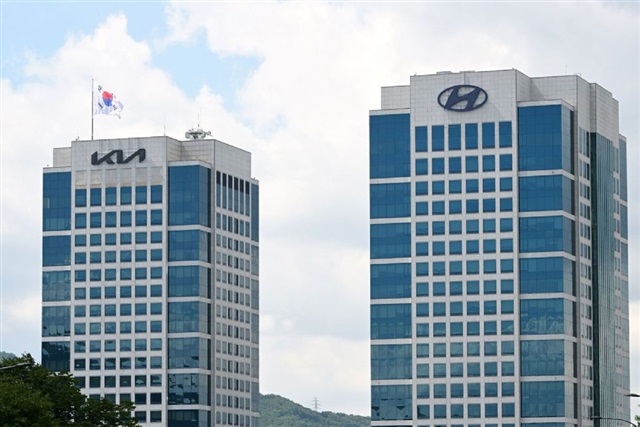
Hyundai Motor and Kia are preparing to take a major step forward in autonomous vehicle technology, with plans to launch South Korea’s first large-scale autonomous driving demonstration project in the second half of 2026.
The project is expected to deploy around 200 vehicles equipped with Atria AI, an autonomous driving system developed in-house by Hyundai Motor and Kia. The move highlights the companies’ growing focus on self-driving technology and their ambition to accelerate the commercialization of next-generation mobility services.
The upcoming demonstration will be a significant milestone for South Korea’s autonomous driving industry. While smaller tests of self-driving vehicles have taken place before, this project stands out because of its scale and the use of a dedicated AI-based driving platform across a sizable fleet.
Atria AI is designed to support autonomous vehicle operations by helping cars interpret road conditions, recognize surrounding traffic, and make driving decisions with minimal human input. By testing the system across hundreds of vehicles in real-world environments, Hyundai and Kia will be able to collect valuable data and improve the reliability, safety, and performance of their autonomous driving technology.
The large-scale trial is also expected to support the development of future mobility services, including robotaxis, autonomous shuttles, and smart transportation systems. As cities around the world look for safer, cleaner, and more efficient ways to move people, autonomous driving is becoming a key area of investment for major automakers.
For Hyundai Motor and Kia, the 2026 project could strengthen their position in the global race toward self-driving cars. Both companies have been investing heavily in electric vehicles, software-defined vehicles, artificial intelligence, and advanced driver assistance systems. The Atria AI project adds another layer to their long-term strategy of building smarter and more connected vehicles.
South Korea is also likely to benefit from the demonstration, as it could help the country establish itself as a competitive hub for autonomous mobility innovation. A successful rollout may encourage further investment, support new regulations for self-driving vehicles, and create opportunities for related industries such as sensors, mapping, AI software, and vehicle data platforms.
Although full commercial deployment of autonomous vehicles still faces challenges, including safety validation, regulatory approval, and public trust, large-scale testing is a crucial step toward making the technology more practical and dependable.
With around 200 Atria AI-powered vehicles planned for the road in 2026, Hyundai Motor and Kia are setting the stage for one of South Korea’s most ambitious autonomous driving initiatives to date. The project could mark the beginning of a new chapter for self-driving mobility in the country and bring fully autonomous transportation closer to everyday use.