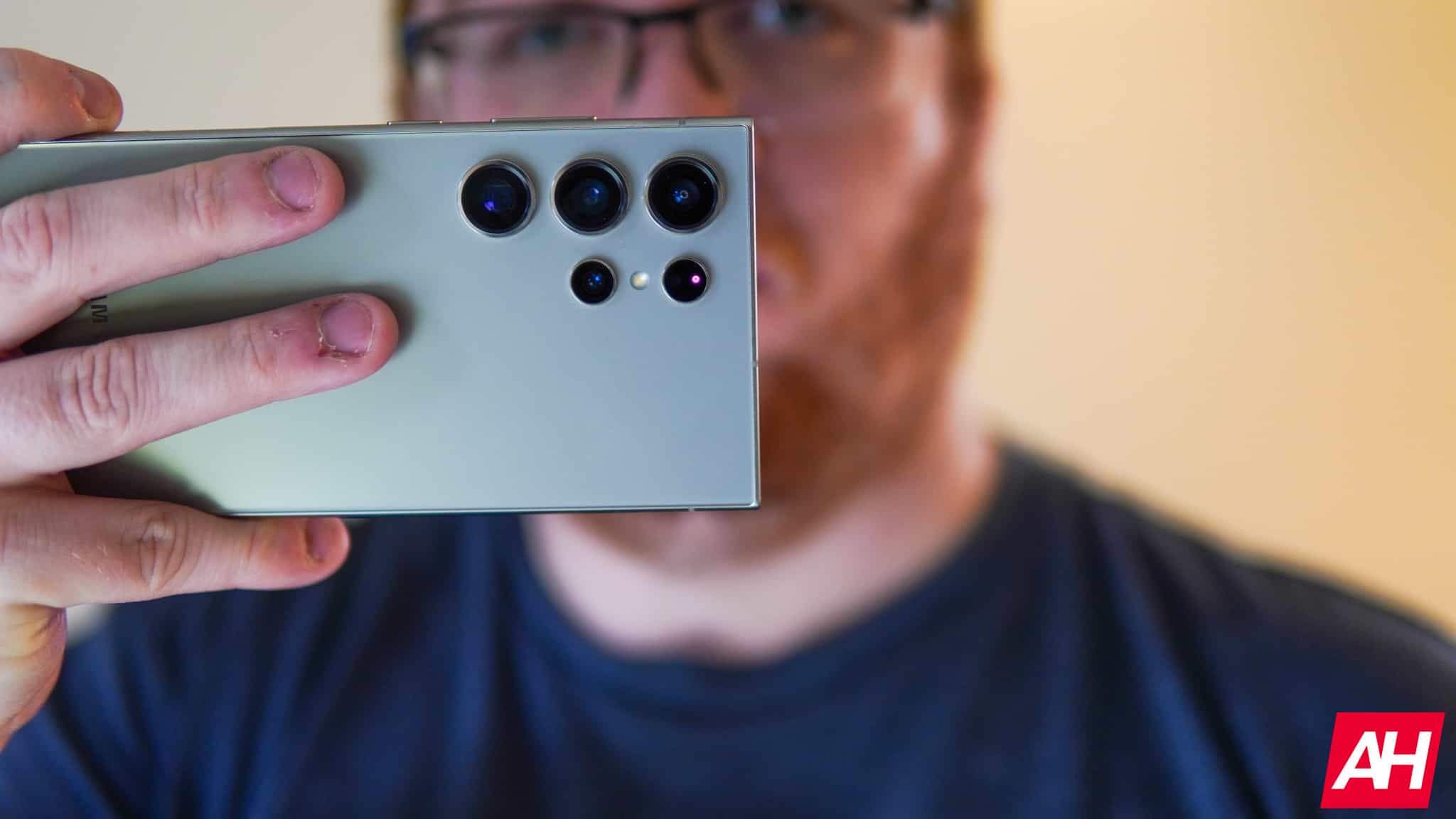
In a recent revelation, a Samsung executive highlighted how artificial intelligence is redefining the concept of photography, leading to an age where there’s no such thing as a ‘real’ picture. Amid the evolving discourse on AI and its role in photography, especially following the speculation surrounding the Galaxy S23 Ultra’s capabilities in capturing detailed Moon images, Patrick Chomet, Samsung’s Executive Vice President, made a bold statement about the nature of modern photographs.
All Photographs are Enhanced by AI, Says Samsung Executive
Advancements in smartphone photography are not merely attributed to improved camera hardware but also to innovative software processing powering these devices. The synergy of hardware and software facilitates multi-frame capture techniques, reducing noise and enhancing photo details such as brightness, white balance, and dynamic range. Furthermore, AI-powered scene recognition technologies are deeply integrated into the process, identifying various elements within a frame and optimizing settings like color balance and texture to deliver refined images that may differ from the original scene.
During a discussion with TechRadar, Chomet elaborated on the influence of AI in photography against the backdrop of a controversy involving a YouTuber’s video, which put the Galaxy S23 Ultra’s camera under scrutiny. Chomet emphasized that capturing images through sensors is inherently a reproduction of what is seen, and any subsequent optimization through AI further distances the final product from what could be considered ‘real.’ The authenticity of a photo, once dependent on the photographer’s skill and camera mechanics, now also hinges on AI-driven enhancements and filter applications, leading to the conclusion that there’s no such thing as a real picture anymore.
The Galaxy S24’s Generative Edit: Reinventing Reality
Samsung’s approach to AI in photography is highlighted by its Generative Edit feature, which enables users to alter images beyond real-time optimizations, whether by erasing blemishes or adding imaginative elements. Chomet contends that this aligns with modern trends where people craft their realities, especially on platforms like Instagram, eschewing accuracy for creativity.
Recognizing the implications of such AI-powered transformations, Samsung has incorporated features such as watermarking and metadata editing into the Generative Edit suite to differentiate between naturally captured and AI-modified images. The company is also engaging with regulators to help users discern these differences and ensure the responsible use of AI technology. Signifying the significance of regulation and ethical considerations in the age of AI, Chomet reflects on the obligation of the industry to act responsibly in light of the potent capabilities of AI, which can be wielded for both beneficial and malicious purposes. With plans to introduce these advanced AI features across over a hundred million Galaxy devices, Samsung is poised to further shape the photographic landscape in the coming years.


