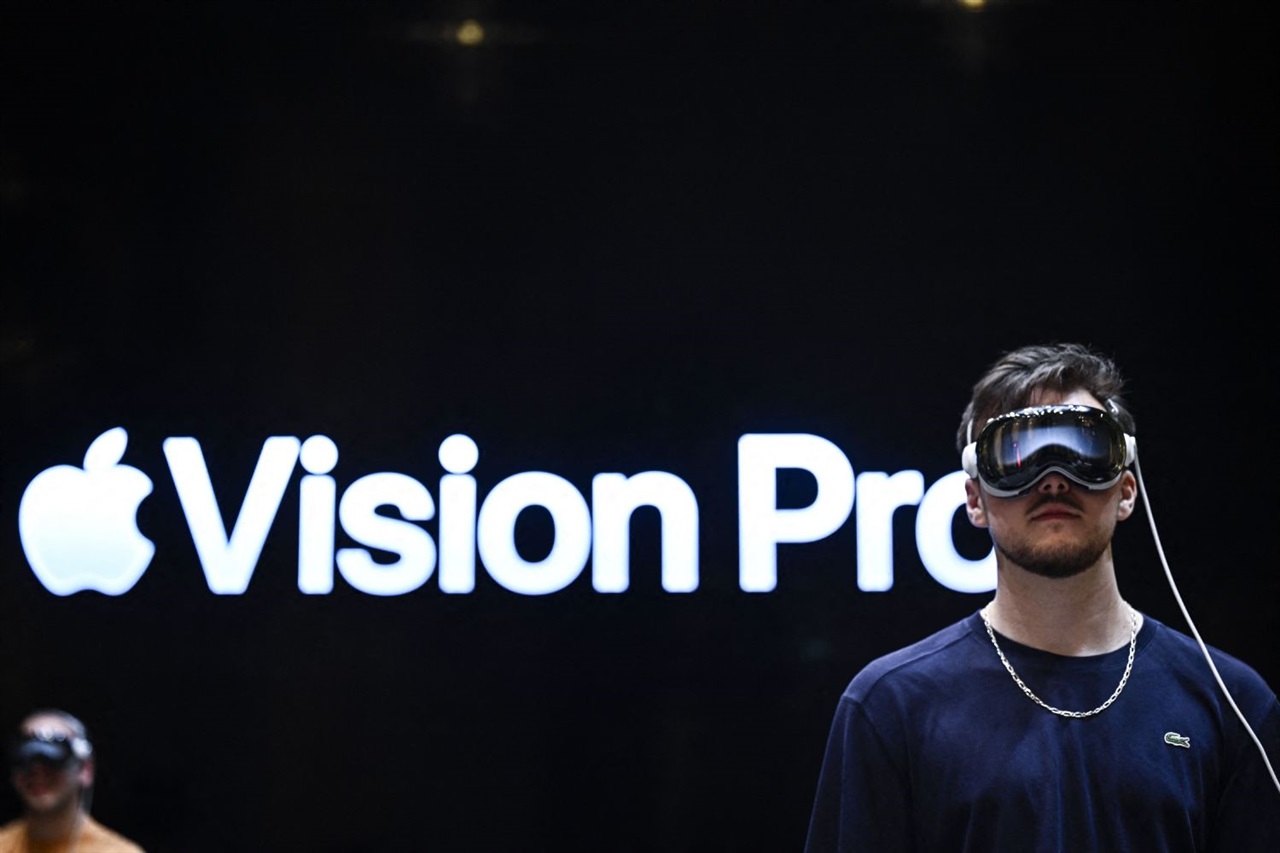
Apple’s Affordable Vision Pro Successor May Be Slipping Further Away
Apple’s long-rumored plan to build a cheaper, lighter mixed reality headset appears to have hit a major obstacle. A key display project believed to be connected to a more affordable Apple XR device has reportedly been shelved, raising fresh questions about when, or even whether, a lower-priced Vision Pro successor will arrive.
The Apple Vision Pro launched as one of the most advanced consumer headsets ever made, but its high price and premium positioning limited its reach. From the beginning, many industry watchers expected Apple to follow up with a more accessible model, likely designed to reduce weight, simplify hardware, and bring the price closer to mainstream buyers.
That strategy now looks less certain.
The display is one of the most expensive and important parts of any mixed reality headset. Apple’s current Vision Pro depends heavily on ultra-sharp display technology to deliver its immersive experience. If Apple wants to make a cheaper version, reducing display costs without damaging image quality becomes one of the biggest challenges.
According to supply chain chatter, a major panel effort intended for a lower-cost Apple XR headset has been canceled. While Apple has not confirmed any change in its plans, the move suggests that the company may be struggling to balance price, performance, and design in a way that meets its standards.
This matters because Apple rarely enters a market just to compete on price. The company typically waits until it can deliver a polished product that feels premium, even when it is positioned below a flagship model. A cheaper Vision Pro would still need to feel like an Apple device, not a compromised version of one.
For consumers, this could mean a longer wait for an affordable Apple headset. The original Vision Pro remains a showcase of what Apple can do in spatial computing, but it is still far from a mass-market product. A lighter and less expensive model could be the version that brings Apple’s mixed reality ambitions to a much wider audience.
The problem is that making such a headset is not as simple as swapping in cheaper parts. Apple must preserve the core experience: sharp visuals, responsive tracking, comfortable wear, strong app performance, and seamless integration with the broader Apple ecosystem. Any weakness in those areas could make the device feel less compelling, especially in a category that is still trying to convince everyday users of its value.
The reported cancellation also highlights the pressure Apple faces in the XR market. Mixed reality headsets remain a difficult product category. They are expensive to build, hard to make comfortable, and still searching for must-have use cases beyond entertainment, productivity, design, and immersive video. Apple has the brand power and software ecosystem to shape the category, but even Apple must deal with manufacturing limits and component costs.
If the cheaper panel project is truly off the table, Apple may have several options. It could delay the lower-cost headset until display technology becomes more affordable. It could redesign the device around a different panel solution. Or it could focus first on improving the premium Vision Pro line before attempting a mass-market model.
Whatever Apple chooses, the signal from the supply chain is clear: the road to an affordable Vision Pro is more complicated than many expected.
A lower-priced Apple XR headset still makes sense in the long term. The Vision Pro introduced Apple’s vision for spatial computing, but a lighter, cheaper model could be the device that turns that vision into something more practical for everyday users. For now, however, the dream of an affordable Apple mixed reality headset may be moving further into the future.