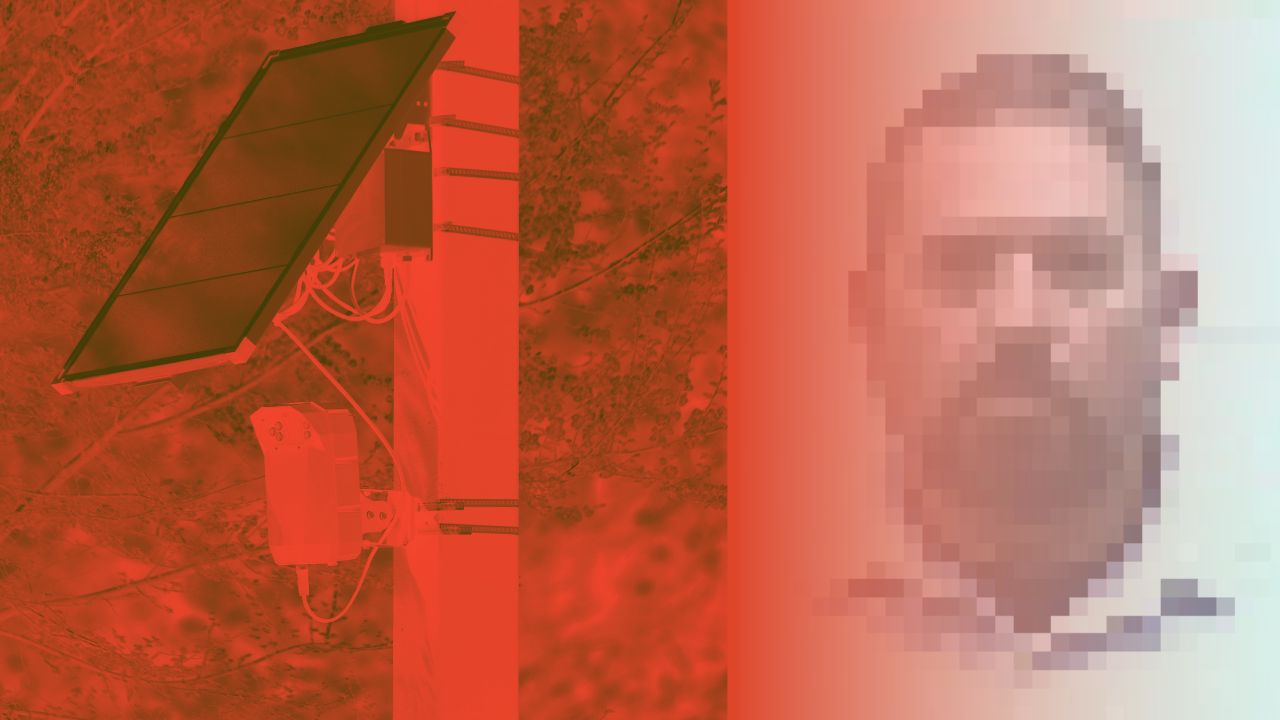
Police Use of License Plate Readers Raises New Questions About Data Access and Oversight
The rapid expansion of license plate reader systems is creating a growing gap between the technology police departments are adopting and the policies needed to manage it responsibly. As more agencies turn to automated license plate recognition tools for proactive investigations, concerns are mounting over whether departments are fully prepared to handle the sensitive data these systems collect.
Flock, one of the most visible companies in the license plate reader market, has been moving quickly to sign up new customers and expand its camera network. These systems are often promoted as crime-fighting tools that can help law enforcement identify stolen vehicles, track suspects, and support investigations. However, recent cases involving improper use of license plate reader data show that the technology also carries serious privacy and accountability risks.
The issue is not simply that some police departments have misused access to this data. The larger concern is that license plate reader networks are not limited to law enforcement agencies. Similar cameras are also used by private businesses, homeowners associations, apartment complexes, shopping centers, and other private property owners. In many cases, these privately operated cameras have capabilities similar to police systems and can feed into the same broader network.
That means vehicle location data may be collected, stored, and shared across a much wider ecosystem than many people realize. A driver passing through a neighborhood, parking lot, retail center, or city street may be captured by multiple cameras without knowing who controls the data, how long it is kept, or who can access it.
Automated license plate reader technology can be useful in legitimate investigations, but its growing reach has created a need for clearer rules. Without strong oversight, training, and transparency, these systems can be vulnerable to misuse. Questions remain over what qualifies as an appropriate search, how data-sharing agreements are managed, and whether private camera owners should have access to tools that function much like police surveillance equipment.
The recent arrests and prosecutions tied to license plate reader data violations highlight why these concerns matter. They show that access controls, audit logs, and department policies are not just technical details. They are essential safeguards for protecting the public from abuse.
As license plate recognition cameras continue to spread across cities, suburbs, and private properties, the debate over public safety and privacy is likely to intensify. Communities may increasingly demand answers about who is watching, who can search the data, and what protections exist to prevent sensitive vehicle location information from being used improperly.
The core issue is not whether license plate readers can help solve crimes. It is whether the rapid deployment of this surveillance technology is outpacing the accountability systems needed to keep it in check.