Samsung HBM4 Yield Reportedly Nears 80%, Strengthening Its AI Memory Push
Samsung Electronics is making notable progress in the race for next-generation high-bandwidth memory, with its sixth-generation HBM4 production yield reportedly approaching 80%. The improvement marks a major step forward for the company as demand for advanced memory chips continues to rise across artificial intelligence, data centers, and high-performance computing.
HBM4 is expected to play a crucial role in powering future AI accelerators and advanced GPUs, where faster memory bandwidth and greater energy efficiency are essential. As AI workloads become larger and more complex, chipmakers and cloud companies are placing increasing importance on reliable, high-volume supply of cutting-edge memory.
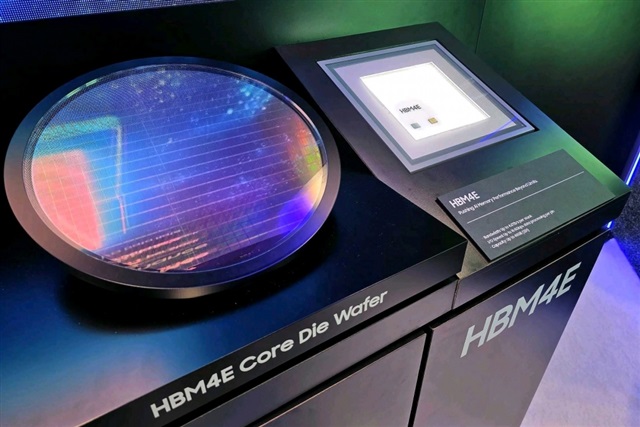
A yield rate nearing 80% suggests Samsung has significantly improved its manufacturing process since the beginning of HBM4 mass production. In semiconductor manufacturing, higher yield means more usable chips are produced from each wafer, helping reduce production costs and improve supply capacity. This is especially important in the HBM market, where demand is strong and competition is intense.
The reported progress could give Samsung a stronger position against SK Hynix, which has been a leading supplier in the high-bandwidth memory market. By improving yield, Samsung may be better equipped to compete not only on technology but also on production volume, pricing, and customer reliability.
Samsung’s push in HBM4 comes at a time when the global memory industry is being reshaped by AI demand. Major technology companies are seeking faster and more efficient memory solutions to support large-scale AI training and inference. As a result, HBM has become one of the most important components in the semiconductor supply chain.
If Samsung can maintain or further improve its HBM4 yield, it could strengthen its role as a key supplier for next-generation AI hardware. Higher production efficiency may also help the company secure more orders from major chip designers and server manufacturers looking for stable memory supply.
While competition in the HBM sector remains fierce, Samsung’s reported yield improvement signals that the company is moving closer to matching the industry’s strongest players. With HBM4 expected to become a core technology for future AI systems, Samsung’s manufacturing gains could have a significant impact on the next phase of the memory market.