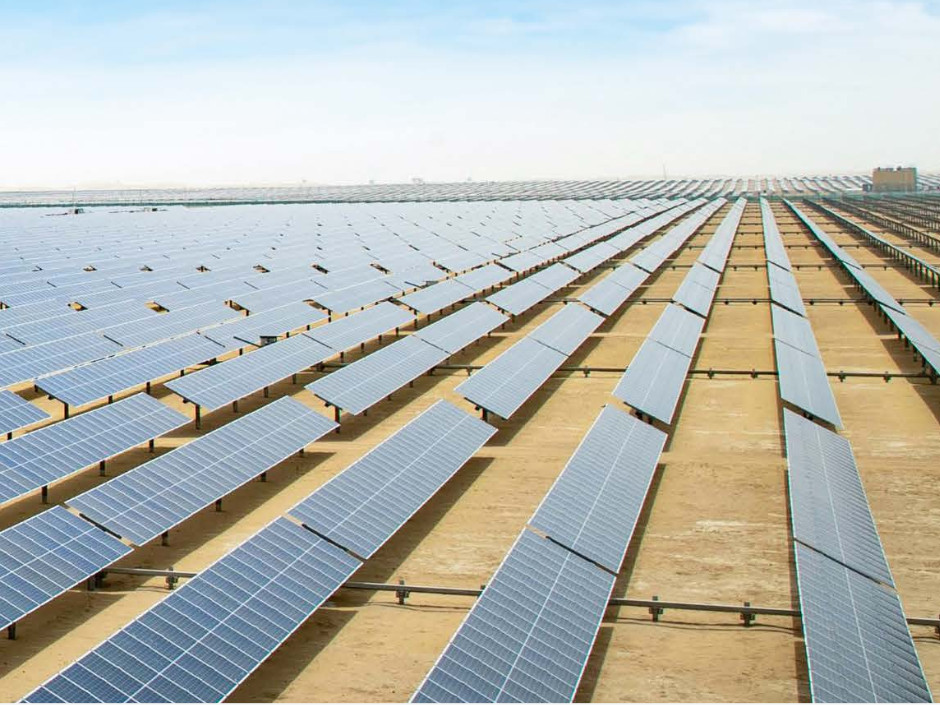
In the vast, sun-drenched expanse of the Rub’ al Khali desert, an extraordinary solar power project is underway in Abu Dhabi. This ambitious initiative is set to transform solar energy reliability, using a colossal battery to ensure uninterrupted power delivery comparable to that of a nuclear power plant. While this project thrives on the unique environmental conditions of the Arabian Peninsula, it stands as a testament to sustainable energy innovation.
This groundbreaking solar power plant promises a continuous output of 1 gigawatt, surpassing even nuclear reactors that require periodic maintenance. Once fully constructed, the facility will boast an astounding 5.2 gigawatts of solar panel capacity. To put this in perspective, the largest solar park in Germany, a country renowned for its green energy initiatives, generates around 600 megawatts, making the Abu Dhabi project nine times more powerful.
The vast site will stretch over approximately 19 square miles of desert terrain, efficiently harnessing sunlight. A sophisticated battery system with a 19-gigawatt-hour capacity will store excess energy, ensuring supply even when the sun is not shining. While such a model may not be feasible in regions with less sunshine, it is perfectly suited to capitalize on the Arabian Peninsula’s sunny climate, which sees minimal rain and abundant sunshine throughout the year.
Even during February, the darkest month, the United Arab Emirates enjoys seven hours of sunlight daily, with a mere nine rainy days annually. On a bright summer’s day, this system could generate a whopping 30 to 40 gigawatt-hours of solar energy, enough to power a city of one million.
While the official announcement omitted specifics on construction timelines and costs, estimates suggest the venture will require an investment of €3.7 billion. This is considerably cost-effective compared to a comparable nuclear plant, providing a consistent electric output. Plus, the modular nature of solar systems means any component can receive maintenance with minimal disruption to overall energy production.
This strategic use of declining battery prices and the region’s ample sunlight positions this solar project as a beacon of future energy solutions, demonstrating how renewable energy can effectively rival traditional power sources both in cost and reliability.