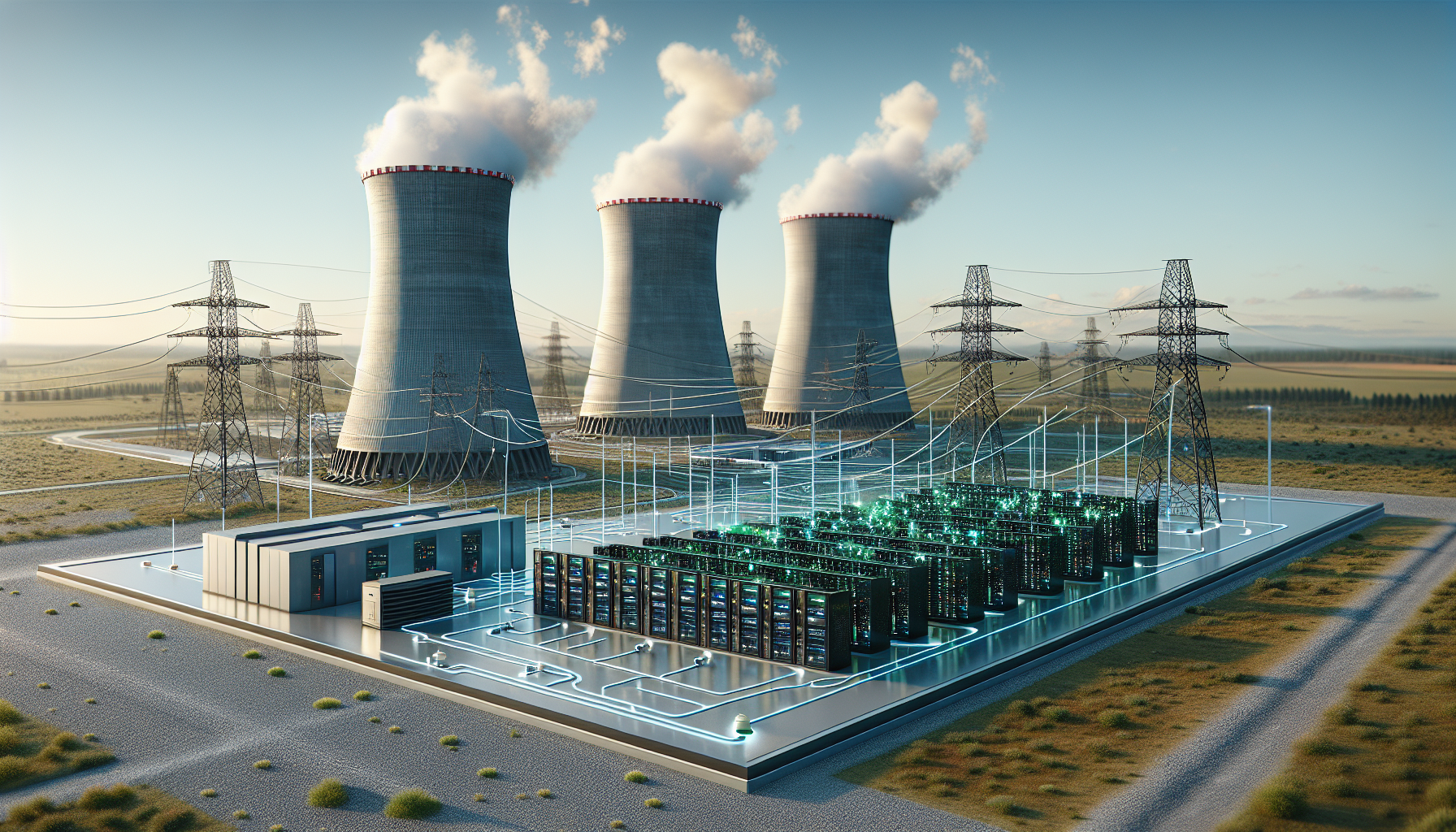
Google is embarking on a groundbreaking initiative to revolutionize how its AI data centers are powered. In an ambitious move, the tech giant has joined forces with Kairos Power to harness small nuclear reactors for energy production, with plans to have the first reactor operational by the end of this decade and potentially expanding further by 2035.
These cutting-edge reactors will utilize molten salt for cooling instead of the conventional water method, making them more efficient and environmentally friendly. Kairos Power specializes in these nimble reactors, which boast superior performance and flexibility over the large, traditional nuclear power plants we’ve come to know.
As the demand for AI technologies skyrockets, securing a dependable, clean, and consistent energy supply has become crucial. Nuclear energy, offering carbon-free and uninterrupted power, aligns perfectly with the tech industry’s goals to reduce its carbon footprint.
Michael Terrell, Google’s Senior Director for Energy, emphasized this strategic shift as crucial for unlocking AI’s potential sustainably. However, this visionary project comes with its challenges. It requires rigorous approval from both the US Nuclear Regulatory Commission and local authorities in planned reactor locations. These approvals are meticulous, underscoring safety and environmental standards, and can be time-consuming.
Google isn’t alone in its quest; other major companies are also exploring nuclear options. Amazon is set to acquire a nuclear-powered data center in Pennsylvania, while Microsoft is exploring the revival of the historic Three Mile Island nuclear plant.
As energy consumption in data centers is anticipated to double by 2030, nuclear power emerges as a formidable solution, providing a steady stream of clean energy—critical for tech companies aiming to innovate sustainably.
Though nuclear energy does spark debates—especially regarding waste and safety concerns—its nearly-zero carbon emissions position it as a viable option in the industry’s effort to cut down on pollution.
Google’s collaboration with Kairos Power highlights an emerging trend where tech giants are increasingly turning to novel energy solutions. These efforts aim to meet the growing demands of AI and digital infrastructure while steadfastly committing to sustainability.