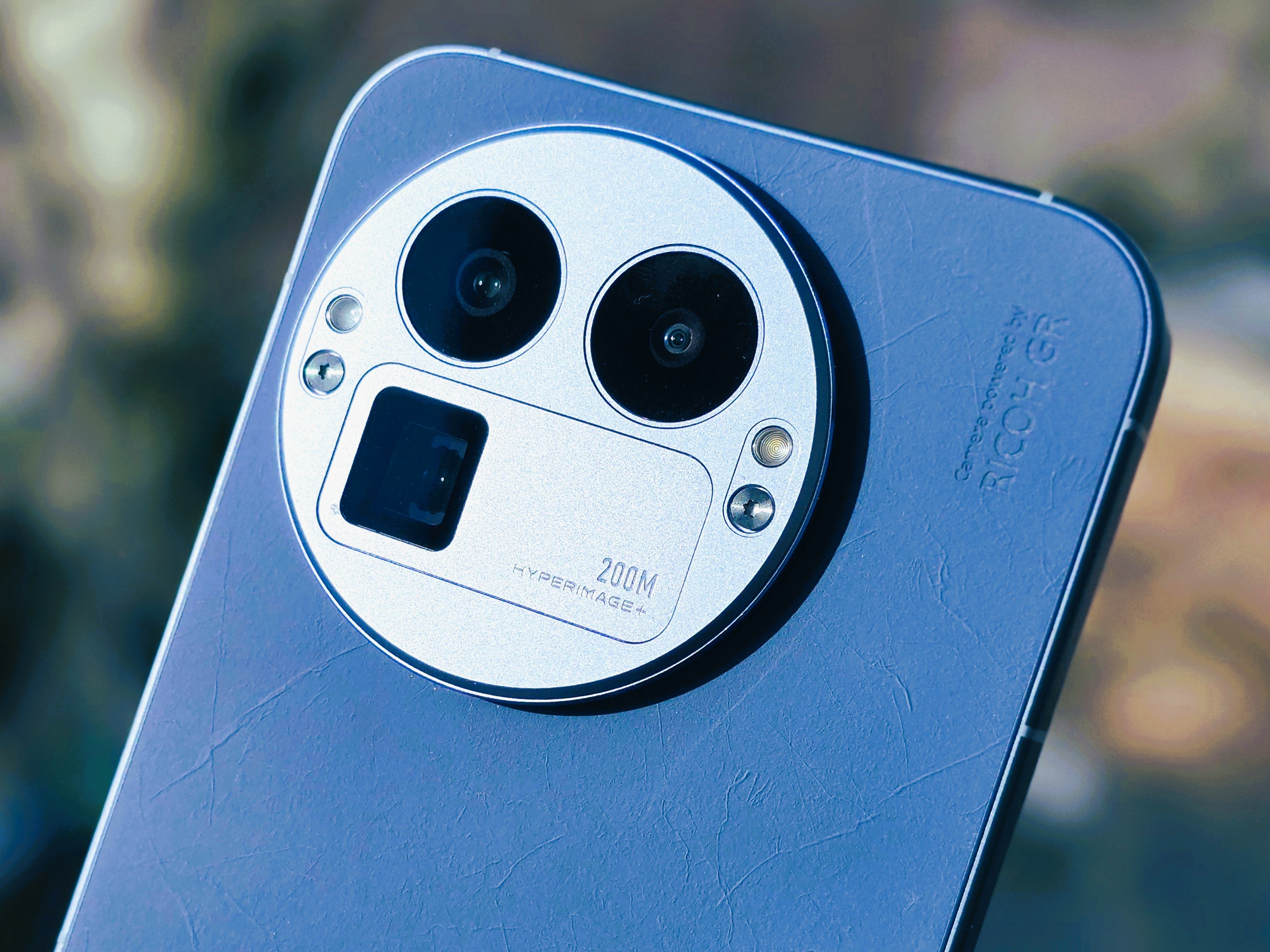
Realme’s GT 8 Pro packs plenty of flagship ambition, but one missing upgrade stands out more than it should in 2026: a modern USB 3.x port. Instead, the phone sticks with the older USB 2.0 standard, and while Realme hasn’t explained the decision, it likely comes down to a familiar mix of cost trimming and product-positioning priorities.
The problem is that USB 2.0 isn’t just an “on paper” downgrade. In real-world use, it can slow down everyday tasks in ways power users will immediately feel. File transfers that should take moments can drag on, especially when you’re moving large media between your phone and a computer. In testing, USB 2.0 ports consistently lag far behind USB 3.x speeds, and that gap becomes obvious the moment you start handling big files like 4K video projects or RAW photo folders. Compared directly with rivals that use faster USB standards, such as the Honor Magic8 Pro, the GT 8 Pro simply takes longer to get the job done.
That slowdown matters even more because the GT 8 Pro is clearly built to attract camera-focused buyers. With its Ricoh partnership and a high-resolution 200-megapixel camera, the phone is designed to produce detailed photos that photographers may actually want to edit and archive properly. RAW files can reach up to around 100 MB each, which adds up quickly during a shoot. And if you’re capturing 8K video, file sizes balloon even faster. In those situations, USB 2.0 turns into a real bottleneck, making offloading footage and images noticeably less convenient than it should be on a premium device.
Speed isn’t the only limitation tied to the older USB standard. USB capabilities also affect what the phone can do beyond charging and basic data transfer. For users hoping to treat the GT 8 Pro as a mini workstation, the limitations will be hard to ignore. The device doesn’t support features many people expect from a top-tier Android phone today, such as using the phone as a desktop-style replacement or outputting a video signal to an external monitor for a larger-screen workflow. If your routine includes connecting to a display for presentations, editing, or multitasking, this is an important drawback that could be a dealbreaker.
In short, the Realme GT 8 Pro still looks like a strong flagship in many areas, but its USB 2.0 port feels like an unnecessary compromise. For casual users, it may be easy to overlook at first. For creators, photographers, and anyone who regularly transfers large files or wants external display support, it’s a limitation that can undercut an otherwise capable phone.