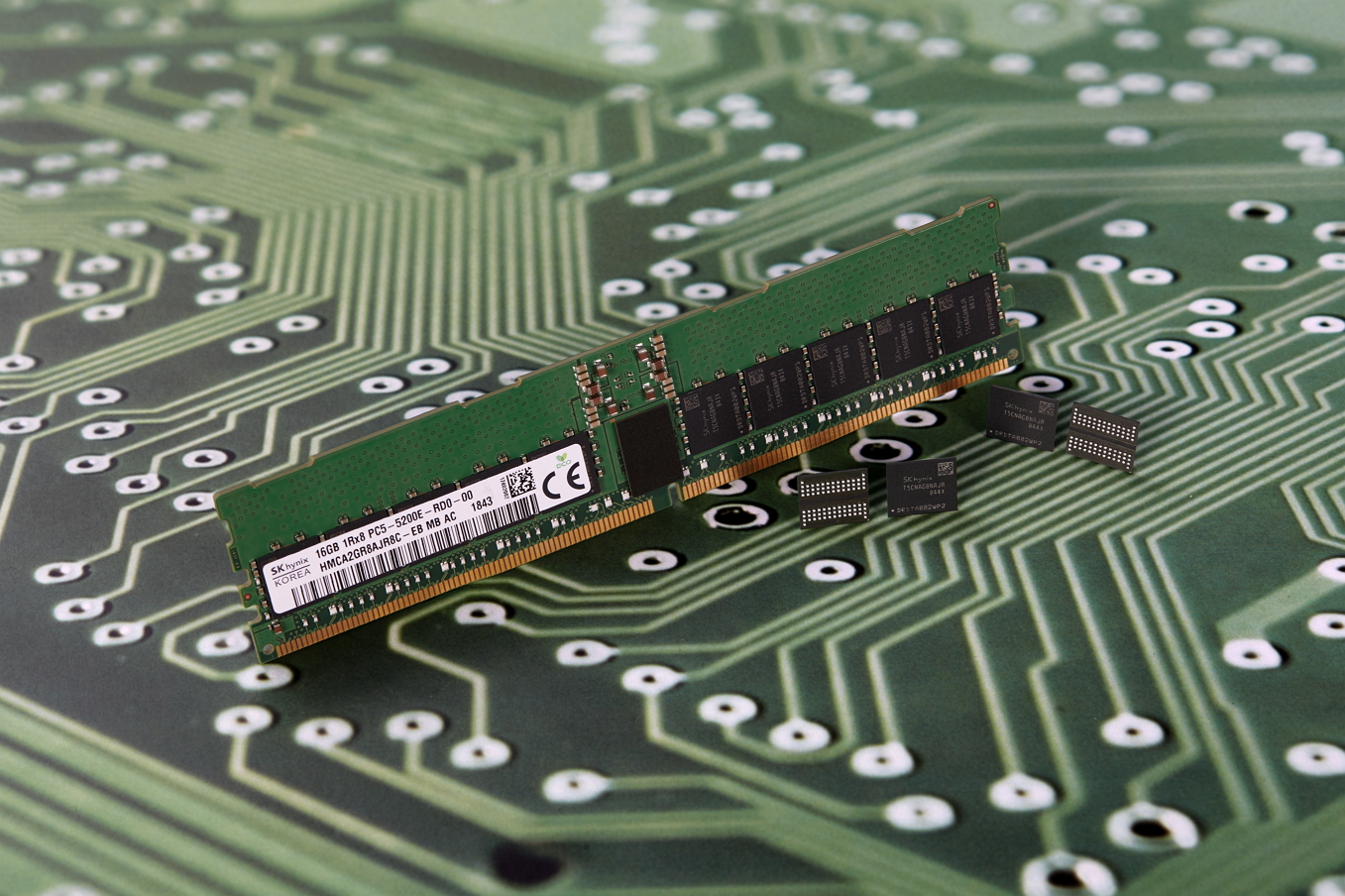
A wave of panic buying is sweeping through the memory market as a sharp supply shock rattles the DRAM industry. With data center expansion accelerating and AI workloads surging, manufacturers and customers alike are racing to secure stock, pushing the market into a shortage cycle that could stretch into 2027. For everyday PC builders and upgraders, that likely means higher RAM prices and tighter availability for months—if not years—to come.
The latest industry chatter points to a major upswing in demand for server-grade memory, particularly RDIMM modules used in cloud and enterprise environments. At the same time, high-bandwidth memory has hit record demand levels as AI compute ramps up, absorbing capacity that would otherwise ease pressure on standard DRAM. Cloud service providers are moving aggressively to lock in long-term supply, and that urgency is filtering into the consumer space.
On the retail side, big PC brands are reportedly buying heavily in the spot market to pad inventories, anticipating ongoing shortages and further price increases. Some suppliers have even paused issuing quotations altogether—a sign of just how volatile and constrained the market has become. If you’ve noticed RAM prices creeping up, that trend is likely to continue, with inflationary pressure expected to persist through at least next year.
This crunch didn’t happen overnight. Before the AI boom, DRAM demand was in a slump, and major memory makers pulled back on production to protect margins. Companies such as Samsung and SK hynix scaled down output in response to the downturn. Now, the pendulum has swung in the opposite direction, and the sudden spike in orders is stressing a supply chain that needs time—and significant investment—to recalibrate. Ramping capacity for advanced nodes and next-gen memory isn’t instant; it’s a months-long process at minimum, and the current backlog suggests the recovery will be gradual.
For consumers, the timing is unfortunate. Some PC vendors have indicated that their existing inventory could last only a few weeks at current sales rates if resupply remains constrained. That raises the odds of higher prices not just for standalone RAM kits, but also for finished systems, laptops, and other memory-sensitive devices. If you’ve been planning a build or an upgrade, expect more price volatility and fewer promotions than we’ve seen in recent years.
What’s driving the memory shortage
– AI infrastructure buildouts are soaking up DRAM and HBM, pushing demand to new highs.
– Cloud and enterprise buyers are prioritizing RDIMM procurement and long-term contracts.
– Consumer brands are stocking up via the spot market, tightening retail availability.
– Prior production cuts during the downturn left the industry with less slack to absorb the surge.
– Some suppliers have paused price quotes amid rapid market moves and limited capacity.
What it means for PC builders and upgraders
– RAM prices are likely to stay elevated, with occasional spikes as inventories fluctuate.
– Popular capacities and faster kits may sell out more quickly or carry steeper premiums.
– System prices could rise as manufacturers pass along higher memory costs.
– Deal cycles may be less predictable, with fewer deep discounts than in past years.
Practical tips if you need memory soon
– Buy when you find a fair price rather than waiting for deep sales that may not come.
– Consider slightly lower speeds or capacities if premium kits are overpriced or unavailable.
– Stick to matched kits from the same brand and batch for best stability.
– Monitor reputable retailers for restocks and short-lived promos.
– If your current system is stable, delay nonessential upgrades until pricing settles.
The bottom line is clear: robust demand from AI and cloud data centers is reshaping the DRAM landscape, and the ripple effects are hitting consumer shelves. While the surge is a boon for suppliers, it’s a headache for shoppers who expected memory to remain cheap. With tight supply expected well into 2027, planning ahead—and being flexible on specs and timing—will be the best way to navigate the market.