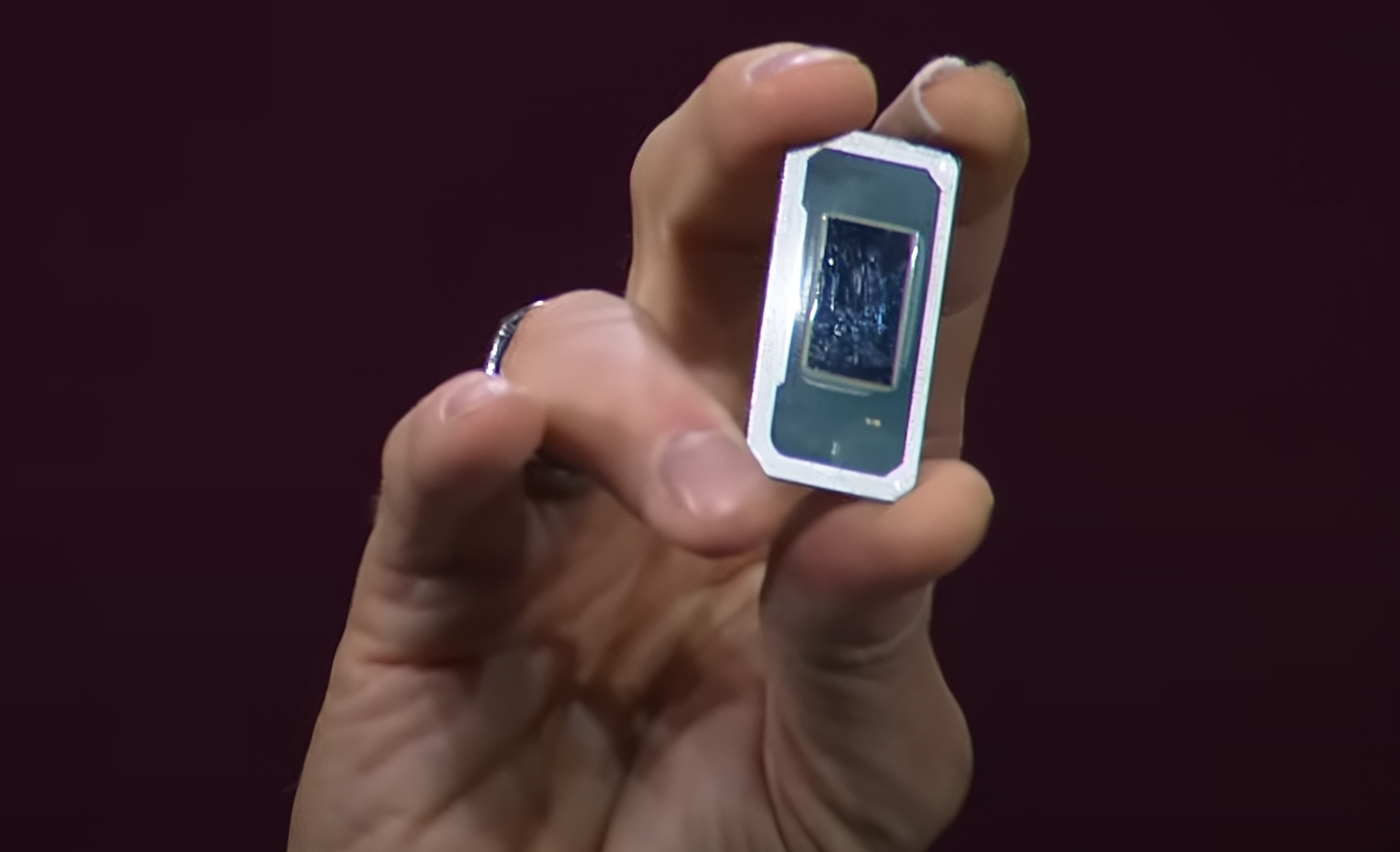
Intel’s revolutionary 18A process is rapidly gaining attention within the tech industry, generating optimism and interest among tech giants who see it as a game-changer in the race for cutting-edge semiconductor nodes. Intel’s semiconductor foundry ambitions faced challenges with their ambitious “five processes in four years” plan, which didn’t achieve the market penetration they had hoped for. Yet, with the unveiling of the new 18A node, Intel is poised for a strong resurgence.
Reportedly, prominent companies like NVIDIA and Broadcom are already testing the new 18A node, indicating that this development has the potential to rival TSMC’s presence in the high-performance semiconductor market. Intel itself is expected to be a primary user, aiming to achieve a 70% adoption rate of its in-house nodes across products, which underscores Intel’s strategy to enhance its vertical supply chain integration. This move suggests that Intel plans to keep significant aspects of their technological innovations, like the upcoming Nova Lake compute tiles, within their own manufacturing capabilities rather than outsourcing entirely to competitors like TSMC.
Externally, the 18A node is already undergoing validation with several partners, receiving favorable evaluations. This includes collaborations with major players such as NVIDIA, Broadcom, Faraday Technology, IBM, and others who are ensuring the 18A process aligns with progressive industry standards. The burgeoning interest in these partnerships reflects Intel Foundry’s potential role in diversifying the supply chain and becoming an essential partner, especially as companies like NVIDIA seek to expand their manufacturing footprint within the United States.
The technical capabilities of Intel’s 18A node appear formidable, boasting an SRAM density on par with TSMC’s advanced N2 process and a significant performance boost compared to Intel’s previous Intel 3 node. With innovations such as PowerVia enhancing the 18A’s prowess, the tech community eagerly anticipates the release of products like the Panther Lake SoCs to fully gauge the impact and improvements this process will bring to market.
Through these strategic advancements and partnerships, Intel Foundry seems to be gearing up for a substantial role in the future of semiconductor innovation, potentially reshaping the landscape of technology manufacturing.


