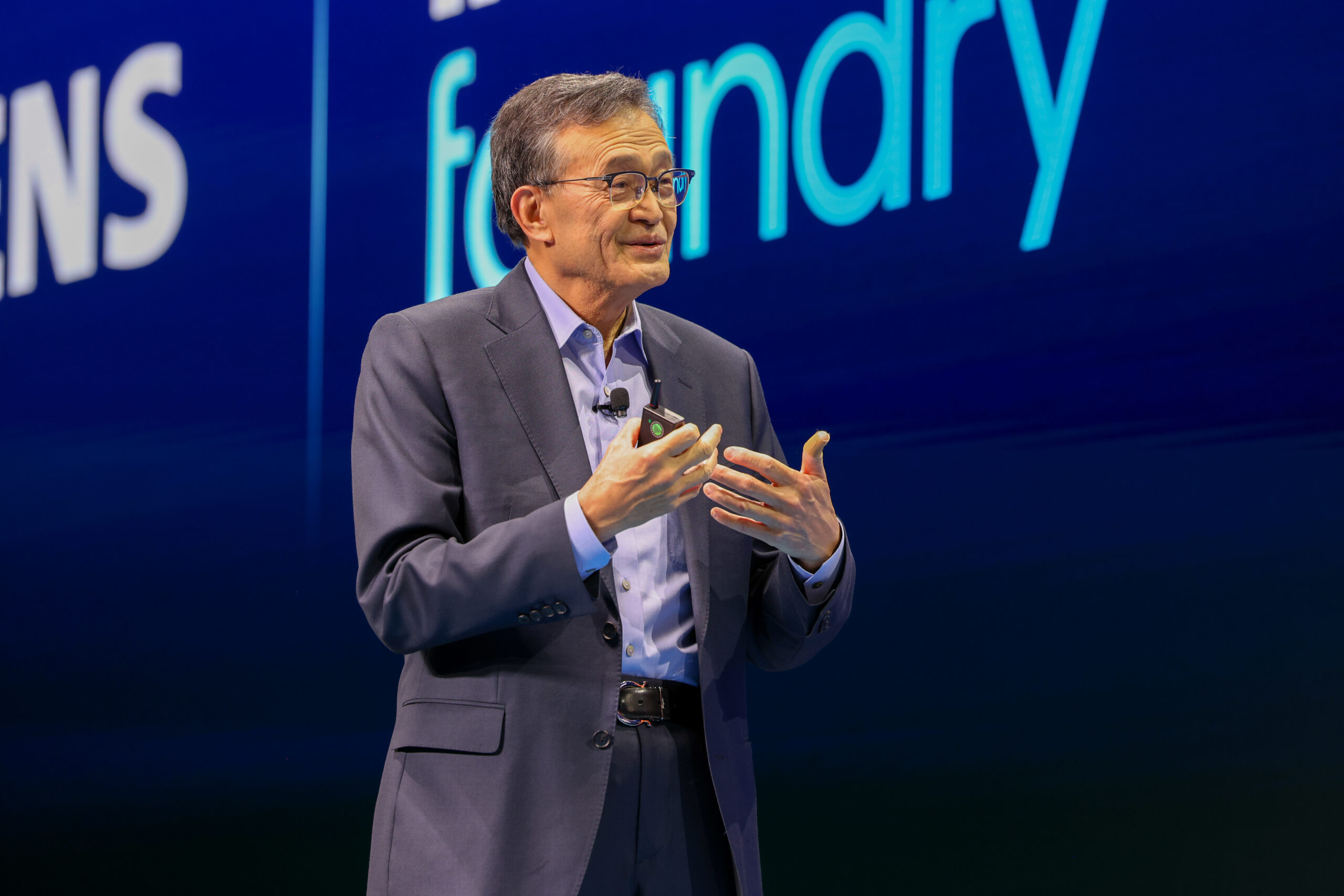
Intel used its Q4 earnings call to signal growing confidence in the direction of Intel Foundry, with CEO Lip-Bu Tan and CFO David Zinsner pointing to concrete progress across leading-edge process technology and advanced packaging. While the company continues working through challenges in its broader consumer and data center businesses, the tone around the foundry strategy was noticeably more optimistic, with executives describing a pipeline that could translate into billions of dollars in revenue over time.
One of the biggest takeaways was Intel’s continued push with its 18A process family. Tan said Intel is already shipping its first products built on Intel 18A, calling it the most advanced semiconductor process developed and manufactured on U.S. soil. He added that yields are steadily improving as Intel ramps supply to meet demand. Just as importantly for outside customers, Intel has been moving forward on Intel 18A-P, confirming the delivery of a 1.0 process design kit (PDK) for 18A-P by the end of last year. That matters because a mature PDK is a key step that enables chip designers to more confidently evaluate a process and move toward real product planning.
In the wider chip industry, supply constraints at the most advanced nodes have made alternative leading-edge capacity increasingly attractive. Against that backdrop, Intel 18A-P is being positioned as a serious option for customers who need cutting-edge performance and efficiency but are facing tight availability elsewhere. Intel hasn’t publicly confirmed major customer commitments tied to 18A-P, but conversations and sampling activity suggest the company is working to convert interest into real production business.
Still, Intel’s foundry plan isn’t just about having competitive technology—it’s also about funding the capacity needed to deliver at scale. That issue came up directly during the call. Zinsner explained that Intel is being disciplined with spending on the next node, 14A. The company does not want to invest heavily in manufacturing capacity for 14A until it has secured customers, limiting spend primarily to technology development and R&D until commitments are clearer. He indicated that the critical window to lock in 14A customers is expected in the back half of this year and into the first half of next year. Once there is better visibility, Intel would “unlock the spend” to support production ramp.
That approach highlights a central concern surrounding Intel Foundry: even if its 18A and 14A nodes meet performance and yield expectations, the company must have the capital readiness to scale manufacturing fast enough to satisfy customer demand. Intel’s answer is essentially to align major capacity spending with signed business, rather than building far ahead of guaranteed orders.
On 14A specifically, Intel outlined a longer runway. Customers are currently sampling around the 0.5 PDK stage, and Tan described a timeline that mirrors the cadence of other leading foundries. He suggested risk production could land in the later part of 2027, with true volume production in 2028. The node is described as externally focused, and it’s expected to incorporate next-generation manufacturing capabilities and leading-edge techniques, which could make it compelling for large fabless chip companies looking for a competitive alternative.
Beyond process nodes, Intel put major emphasis on a second growth engine: advanced packaging. This is becoming one of the most capacity-constrained parts of the semiconductor supply chain, and Intel believes its packaging technologies can become a major differentiator for winning foundry customers. Executives highlighted EMIB and Foveros as key solutions that are attracting interest, particularly from high-performance computing and advanced silicon customers who need sophisticated chiplet integration.
Zinsner pointed to a telling indicator of demand: some customers are willing to prepay for EMIB and EMIB-T production. In a market where advanced packaging resources can be scarce, prepayments suggest customers aren’t just experimenting—they’re planning for volume and trying to secure supply. He also said advanced packaging commitments are expected to scale past $1 billion, reinforcing the idea that packaging could be a meaningful revenue driver rather than a supporting feature.
If Intel can deliver competitive leading-edge manufacturing along with in-demand packaging under one roof, it strengthens the value proposition for customers who want streamlined sourcing from front-end wafer production through back-end integration. That combination could also help Intel reduce the operating losses in its foundry segment over time and move closer to break-even, especially if packaging ramps into more mainstream products starting in 2026.
Overall, Intel’s message was that its foundry transformation is moving from vision to execution: 18A is shipping, 18A-P is reaching key enablement milestones, 14A is being developed with a more disciplined spend plan, and advanced packaging is drawing real dollars and early customer commitments. The next major proof point will be how quickly interest converts into signed, high-volume agreements—and whether Intel can scale capacity at the pace the market expects once those commitments arrive.