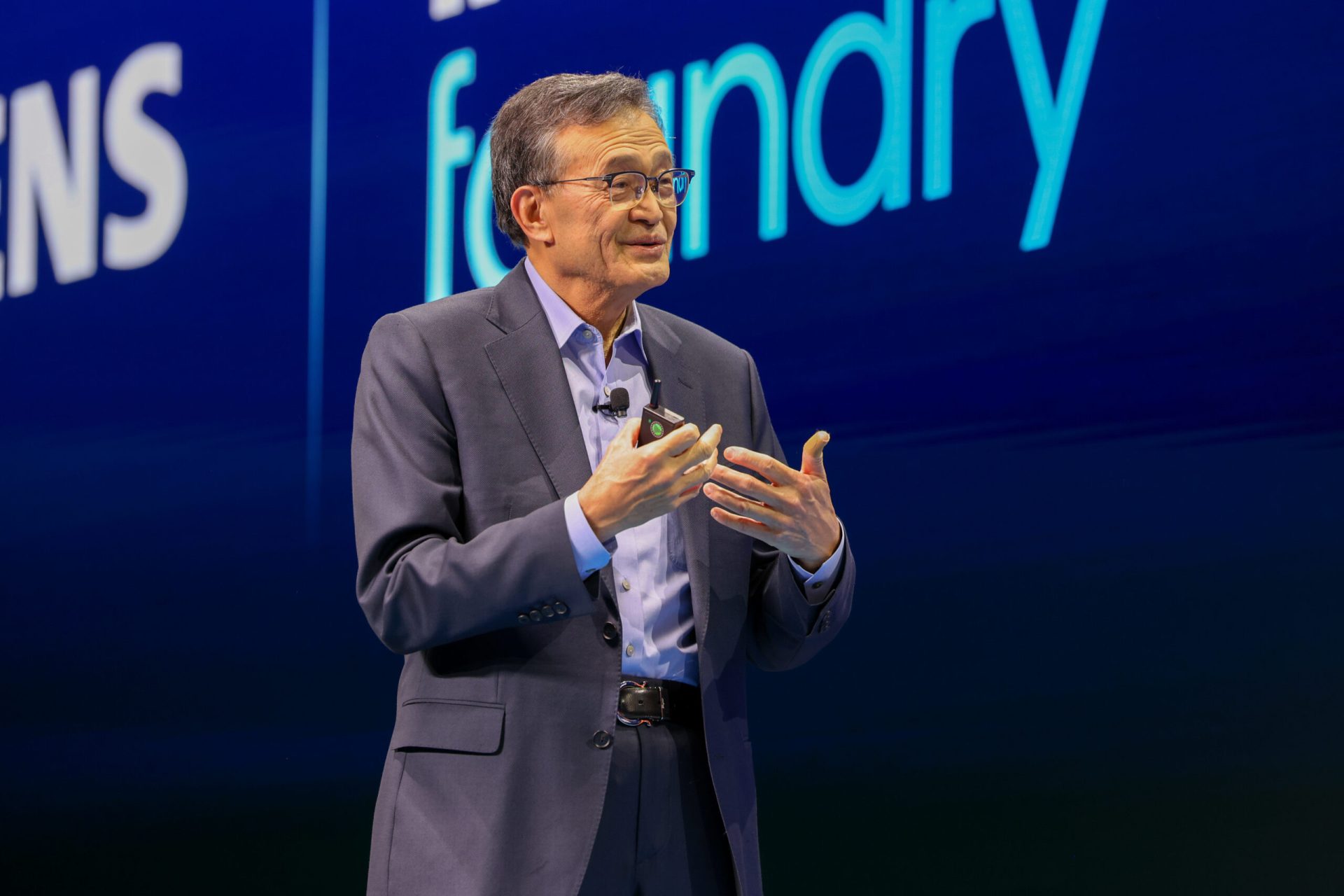
Intel is sounding noticeably more confident about its foundry future, and that shift was on full display when CFO David Zinsner spoke at the Morgan Stanley conference. The message was clear: Intel believes its manufacturing roadmap is landing, customer interest is building, and the company can realistically push its foundry business to breakeven by 2027 if today’s momentum turns into firm orders.
A big part of that optimism centers on Intel 18A, the company’s leading-edge process node that’s now ramping in its fabs. Zinsner said 18A is meeting expectations and that yields are improving as the production lines mature—exactly the kind of operational progress Intel needs to lift margins over time. He also highlighted strong demand for Panther Lake, Intel’s upcoming client platform, noting that demand currently exceeds supply. According to Zinsner, Panther Lake has been well received, with battery life standing out as a particular strength. If supply improves while yields continue trending upward, Intel sees a path to better margins as 18A scales further through this year and into next.
What’s especially important for Intel Foundry is that the 18A family may attract outside customers sooner than many expected. Earlier assumptions suggested Intel might reserve 18A mostly for internal products and position the next node, 14A, as the primary external selling point. Zinsner’s comments point in a different direction: Intel is seeing inbound interest in 18A-P, a variant designed to give customers more flexibility, including the ability to fine-tune designs around power targets. External interest in 18A-P matters because it could translate into earlier foundry commitments—potentially from major chip designers. Industry chatter has included interest from companies like Apple and NVIDIA, and Intel’s CFO signaled that offering 18A to external customers is now increasingly seen as a strong opportunity, not a stopgap.
Zinsner also addressed Intel 14A, another crucial node on the foundry roadmap. While recent reports have raised concerns about possible delays, Intel says it remains aligned with its existing plans. The company expects risk production for 14A in 2027 and volume production in 2029, with the timing influenced by a mix of customer demand and internal needs. Zinsner added that Intel has internal demand for 14A and the capability to move into risk production in 2027, emphasizing that risk production can still deliver meaningful output. At the same time, Intel is being careful with spending, weighing customer engagements and internal requirements before committing major capital expenditures to expand 14A production capacity.
Beyond silicon nodes, Intel sees a major revenue catalyst in advanced packaging—an area that’s becoming increasingly critical as AI and high-performance computing drive complex multi-die designs. Zinsner said Intel is now close to finalizing packaging deals that could be worth billions of dollars per year in revenue, potentially starting as soon as the second half of this year. That’s a notable upgrade from earlier expectations, when packaging wins were framed more in the “hundreds of millions” range. Intel’s EMIB and EMIB-T packaging technologies are drawing interest from leading chip companies, with discussions reportedly involving Apple, NVIDIA, Qualcomm, and others. There have also been rumors that NVIDIA could use EMIB in future architectures, which would further validate Intel’s packaging portfolio as a serious external foundry offering.
Taken together—improving 18A yields, strong Panther Lake demand, growing interest in 18A-P and 14A, plus advanced packaging deals that could reach the “billions” tier—Intel now believes its foundry operation has a realistic route to operating breakeven by 2027. Margins have been a persistent concern for Intel Foundry in recent quarters, but the company is betting that higher yields, stronger demand, and meaningful external adoption of both process technology and packaging can help turn the business around over the next couple of years.