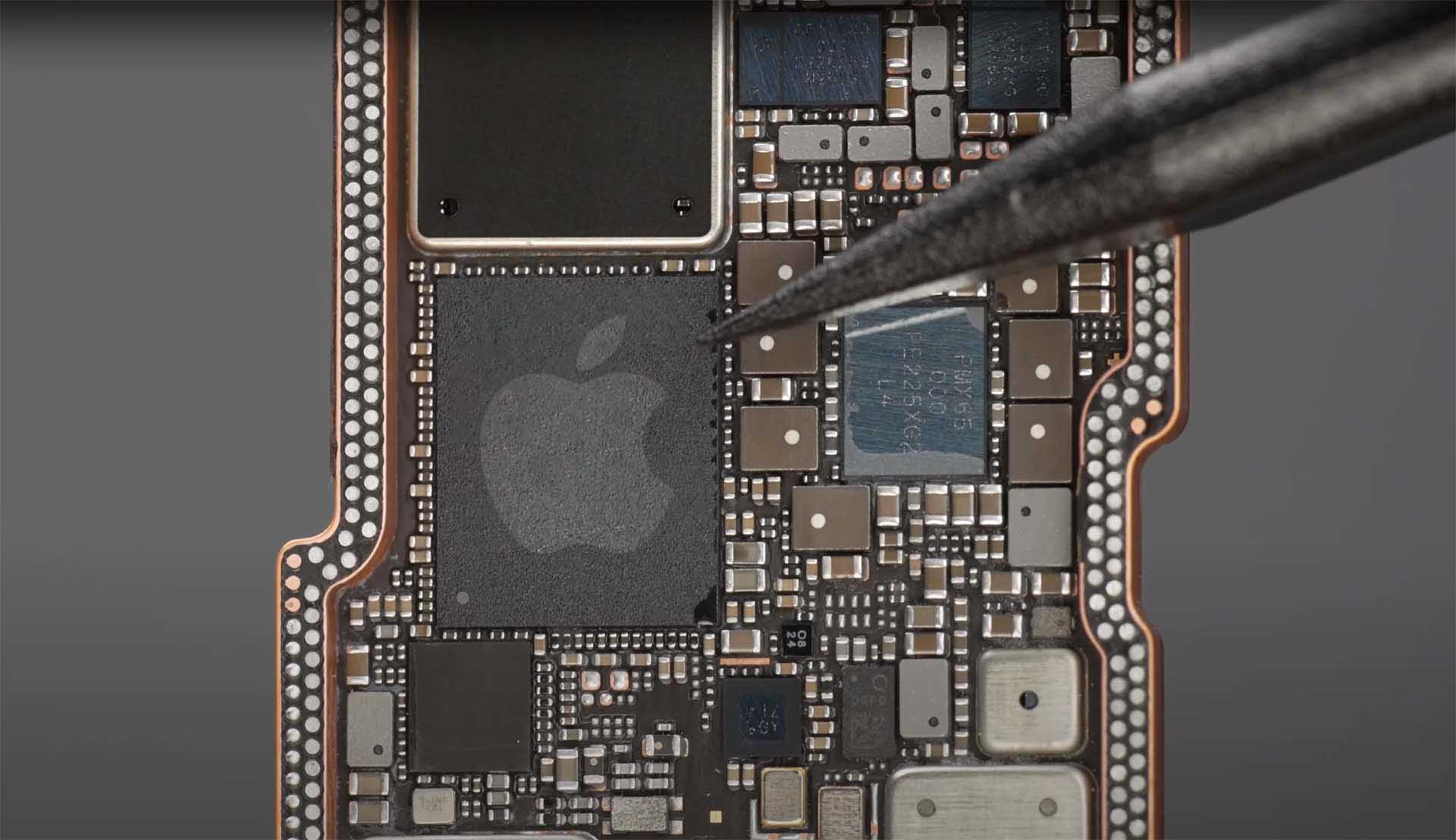
Apple has been diligently working for years to create its own 5G modem technology. The aim? To minimize reliance on Qualcomm and ultimately save billions in royalty payments. With the anticipated release of the iPhone SE 4 next year, Apple may finally unveil its custom baseband chip, marking a significant milestone in this endeavor. However, the journey isn’t without obstacles. Although Apple’s licensing agreement with Qualcomm doesn’t expire until March 2027, plans are already in place to establish an independent supply chain for their modems.
While Apple is well-equipped to transition away from Qualcomm in the coming years, the process is fraught with potential risks. A notable industry analyst has hinted that Qualcomm, which currently supplies these modems, could adversely affect Apple by halting shipments. Although Qualcomm might not benefit from such an action, the impact on Apple could be severe, leaving the tech giant in a tricky spot of finding alternate suppliers quickly.
It’s no secret that Qualcomm benefits significantly from its relationship with Apple, potentially earning enormous sums for its 5G modems integrated into various Apple devices. Industry insights suggest that if Qualcomm were to cease this supply, both companies would experience financial setbacks. Nevertheless, given the existing licensing agreement, Qualcomm may be legally bound to continue its business relationship, though specifics remain undisclosed.
Looking ahead, Qualcomm has already projected a future without Apple’s revenue by 2027, acknowledging Apple’s long-standing efforts to develop internal modem technology since acquiring Intel’s assets in July 2019. With Apple strategizing on the introduction of its own 5G modems starting with iPhone SE 4, its ultimate goal is to surpass Qualcomm by integrating mmWave support into future iPhones like the iPhone 18 Pro and iPhone 18 Pro Max. Beyond smartphones, Apple is also considering the extension of cellular connectivity to its Mac lineup, potentially debuting this technology in future versions of the Apple Vision Pro.