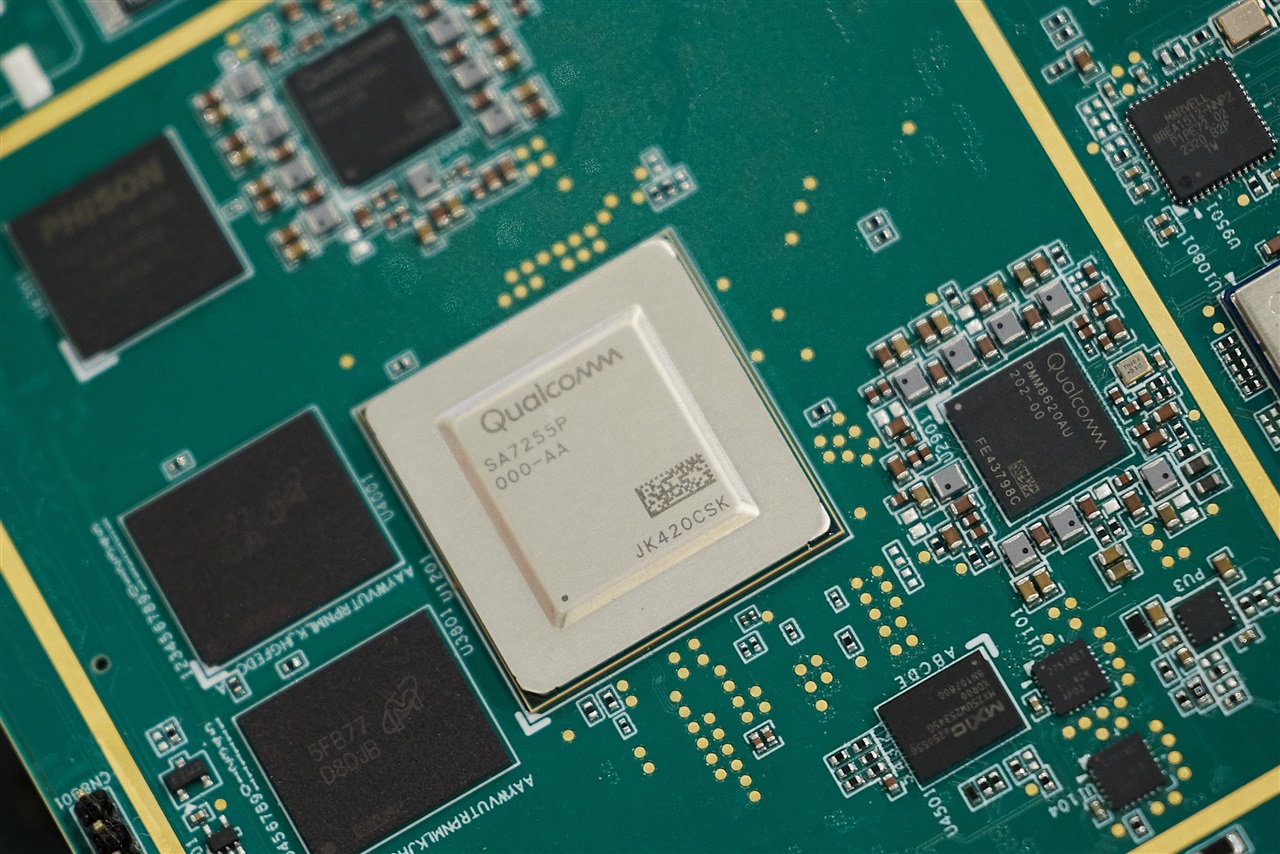
Qualcomm is making a clear push beyond smartphones and into the fast-growing world of physical AI, signaling a major shift in how the semiconductor giant plans to power the next wave of intelligent machines. With a fresh batch of product announcements and new collaborations, the company is positioning itself as a key technology provider for humanoid robots and general-purpose robotics—two areas widely viewed as the next breakout frontiers for artificial intelligence.
Physical AI is essentially AI that doesn’t just “think” on a server or inside an app, but actively senses, moves, and interacts with the real world. That includes robots that can navigate dynamic environments, understand voice and vision, handle objects, and perform useful tasks in homes, workplaces, warehouses, hospitals, and public spaces. Qualcomm’s recent moves suggest it wants to become a foundational platform for these machines, combining on-device intelligence, efficient processing, and connectivity into a cohesive robotics-ready stack.
A big reason robotics is drawing so much attention right now is the rapid progress in AI perception and decision-making. Robots are moving from scripted, single-purpose automation toward adaptable systems that can understand context and operate in less controlled environments. Humanoid robots in particular are gaining momentum because their form factor can fit into spaces designed for people—stairs, doorways, tools, carts, and equipment—making them potentially useful across a broad range of industries without requiring buildings to be redesigned.
Qualcomm’s strategy appears to be centered on enabling that leap from research demos to scalable, commercial products. By expanding its hardware and software offerings and partnering with players in the robotics ecosystem, the company aims to help manufacturers and developers build robots that can process AI workloads efficiently on-device, respond in real time, and stay connected reliably. On-device AI is especially important for robotics because latency matters: a robot that has to wait for a round trip to the cloud to react is slower, less reliable, and potentially less safe in real-world situations.
Just as importantly, Qualcomm’s entry into physical AI reflects where the broader computing market is heading. The next wave of AI won’t live only in data centers and smartphones—it will increasingly show up in machines that can see, move, and act. By stepping deeper into robotics now, Qualcomm is placing a bet that the same ingredients that made mobile computing explode—high-efficiency chips, integrated AI processing, and robust connectivity—will be critical building blocks for the coming era of intelligent robots.
As competition heats up in robotics and physical AI, these announcements underscore a simple reality: the companies that provide the core platforms—hardware, toolchains, and ecosystem partnerships—could end up shaping how quickly humanoid and general-purpose robots move from prototypes to everyday tools. Qualcomm is signaling it wants to be one of those companies leading the charge.