Intel Project Firefly could make affordable Windows laptops thinner, smarter, and cheaper
Intel is preparing a new push into the budget laptop market with Project Firefly, an initiative designed to make Windows laptops more affordable by borrowing production methods from the highly developed smartphone supply chain in China.
The idea is simple but potentially important: instead of building low-cost laptops through traditional PC manufacturing methods, Intel wants manufacturers to use standardized, modular parts that can be assembled more efficiently in factories already equipped to produce smartphones at massive scale. If successful, this could help bring down the price of entry-level Windows laptops without forcing buyers to accept bulky designs or outdated hardware.
Project Firefly is closely tied to Intel’s upcoming Wildcat Lake platform, which is expected to power a new generation of inexpensive laptops. Early devices using Intel’s low-cost chips, including models from brands such as Honor and Chuwi, are already positioned below many popular entry-level Apple laptops. With Project Firefly, Intel appears to be aiming even lower on price while still keeping the overall design modern and appealing.
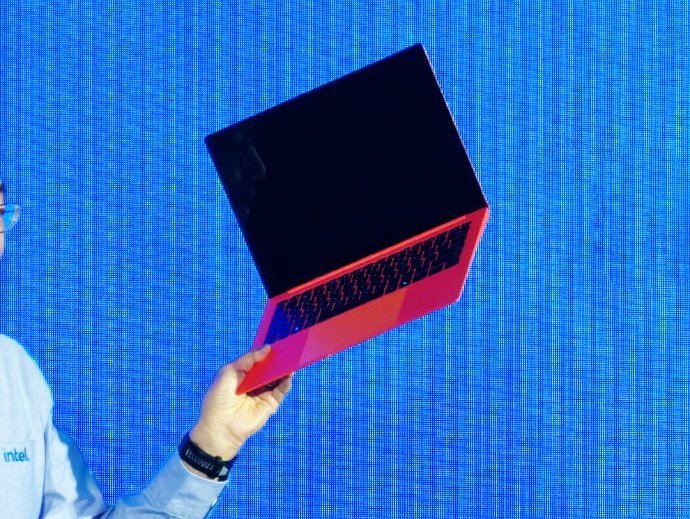
A reference laptop design shown for the platform suggests that Intel does not want “cheap” to mean unattractive. The prototype features very slim display bezels, a large touchpad, and a chassis measuring around 1.1 centimeters thick. That puts it in the same visual category as premium ultraportables, showing that affordable Windows laptops may soon look far more polished than the budget machines many buyers are used to.
The key to Project Firefly is standardization. Intel wants parts such as mainboards, connectors, batteries, and other internal components to be more modular and easier to assemble. This could allow manufacturers to create multiple laptop designs using a shared foundation, reducing development costs and speeding up production.
By relying on infrastructure already used in smartphone manufacturing, Intel may help laptop brands avoid some of the expenses that traditionally come with designing and assembling compact PCs. Smartphone factories are highly optimized for thin devices, dense internal layouts, and high-volume production, which could make them a natural fit for the next wave of slim budget laptops.
However, there is still a balance to strike. A thin metal chassis may look premium, but it also raises manufacturing costs. That means the most affordable Project Firefly laptops may not all look like Intel’s sleek reference design. Some brands may choose plastic bodies or simpler construction to hit lower price points, while others may use the platform to offer stylish thin-and-light laptops at midrange prices.
The timing could be important. Laptop prices may face upward pressure as memory costs rise, especially because of ongoing supply issues affecting DRAM. If RAM becomes more expensive, manufacturers will need other ways to keep laptop prices competitive. A more efficient production model could help offset some of those increases.
Performance will also matter. Wildcat Lake chips such as the Intel Core 5 320 are not expected to outperform Apple’s latest mobile-class processors in raw power. Still, they should be capable enough for the tasks most budget laptop buyers care about: web browsing, document editing, video calls, streaming, online learning, and general office work.
When paired with fast LPDDR5X-7467 memory, these chips could deliver a smooth everyday experience while keeping power consumption low. That combination may be especially attractive for students, remote workers, and families looking for a reliable Windows laptop without paying premium prices.
Project Firefly could become a major step for the affordable laptop market if Intel and its partners commit to it long term. The concept promises lower manufacturing costs, thinner designs, and wider availability of inexpensive Windows laptops. For buyers, that could mean better-looking devices, improved portability, and more choices in the budget segment.
The big question is whether Intel can turn the reference design into real products at scale. If laptop makers embrace the platform, Project Firefly could help reshape the low-cost Windows laptop market over the next few years. If not, it may remain an interesting concept rather than a major industry shift.
For now, Intel’s strategy is clear: make budget laptops more like smartphones in how they are built, while keeping the flexibility and familiarity of Windows. If the plan works, the next generation of affordable laptops could be slimmer, cheaper, and far more appealing than expected.