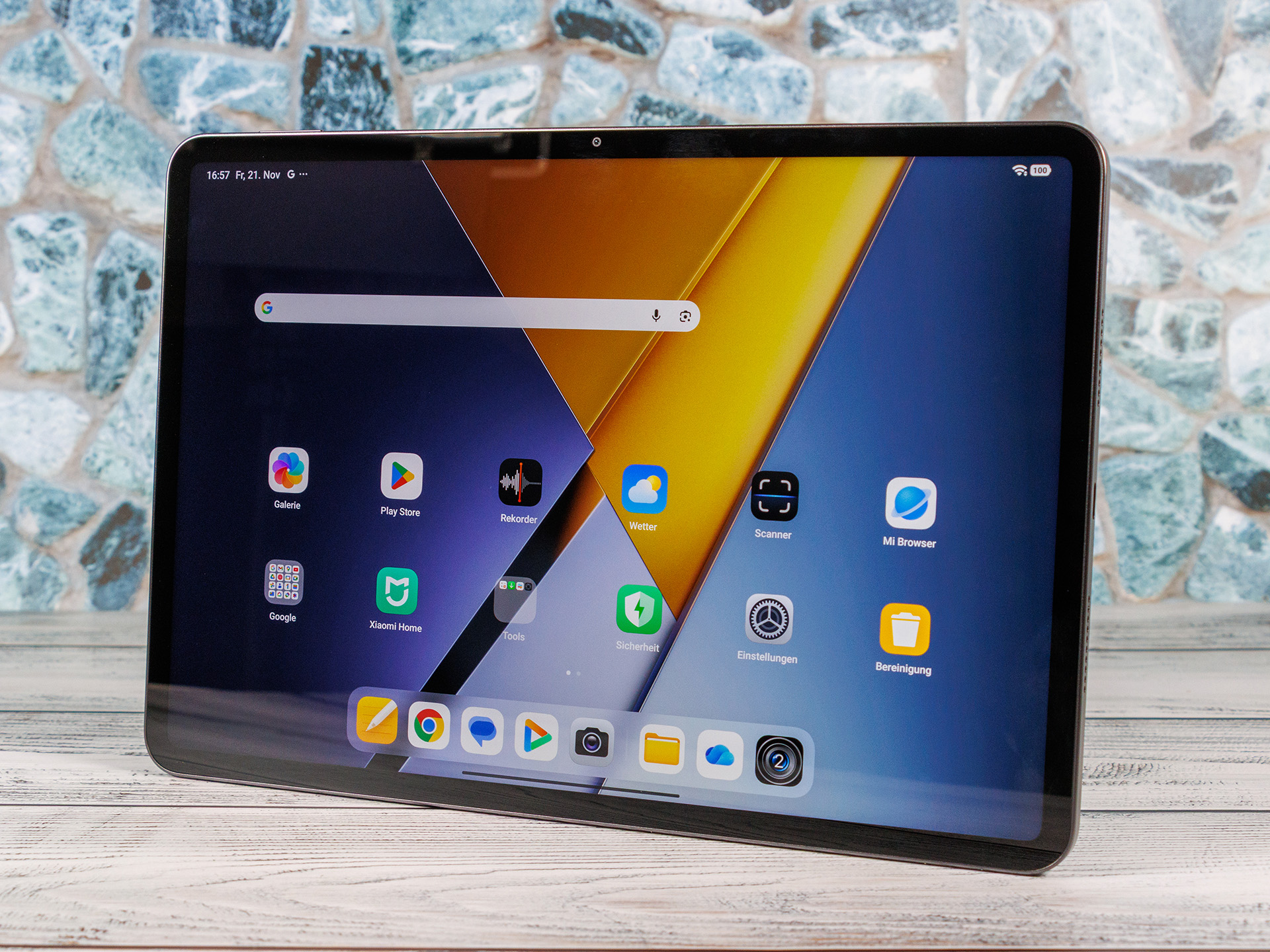
Xiaomi’s Poco Pad X1 aims to hit the sweet spot for anyone shopping for an affordable mid-range tablet that still feels premium in the hand. It delivers a slim metal body with impressive build quality, tight seams, and a sturdy overall structure that looks and feels more expensive than its price category suggests. The design isn’t perfect, though: the camera bump sticks out slightly, which can make the tablet wobble on flat surfaces. And while it’s stylish, there’s no official IP rating for dust or water resistance, so it’s best treated with a bit more care.
One of the biggest highlights is the 11.2-inch LCD. It produces sharp details and strong contrast, supports HDR, and can dynamically scale the refresh rate up to 144Hz for smoother scrolling and more fluid motion. The display also avoids flickering, which is great for longer viewing sessions. On the downside, it can show noticeable glare and reduced clarity when viewed at certain angles, especially in brighter environments.
Performance is another strong point. Powered by the Snapdragon 7+ Gen 3, the Poco Pad X1 runs smoothly in everyday tasks and offers graphics performance that feels confidently mid-range, making it a solid choice for multitasking, streaming, and casual to moderate gaming. Connectivity is well covered too, with Wi‑Fi 6E on board, along with NFC and an IR blaster—useful extras that aren’t always included at this level.
That said, some convenience features are missing. There’s no fingerprint sensor for quick unlocking, no vibration motor for haptic feedback, and no headphone jack for wired audio fans. These omissions won’t be dealbreakers for everyone, but they do affect the overall “complete package” feel, especially for users who rely on those daily.
On the software side, Xiaomi scores points for long-term support. The tablet runs HyperOS 3.0 based on Android 16, and it’s expected to receive updates for years. However, the out-of-box experience includes preinstalled ads and unwanted apps. The good news is that with a little effort, many of these can be removed or reduced to make the interface cleaner.
For media, the speakers sound clear and are perfectly fine for videos and calls, but they lack deeper bass, so music and movies won’t feel as full as on tablets with stronger audio tuning. The cameras are also competent rather than standout performers, delivering decent daylight shots without aiming to compete with higher-end tablets.
The biggest drawback is battery life. In testing, the Poco Pad X1 falls notably behind a closely related model, leading to shorter runtimes than you might expect for a tablet in this class. For buyers who prioritize long reading sessions, travel use, or all-day streaming, this is an important consideration.
Availability can also be a deciding factor depending on where you live. Since the Poco Pad X1 isn’t officially sold in Germany, access to service options and replacement parts is limited, which can impact long-term sustainability.
Overall, the Xiaomi Poco Pad X1 is a well-built, technically strong mid-range tablet with a smooth 144Hz display and fast Snapdragon performance. It shines as a value-driven option for entertainment and everyday productivity, but missing comfort features and weaker battery endurance keep it from being an easy recommendation for everyone.