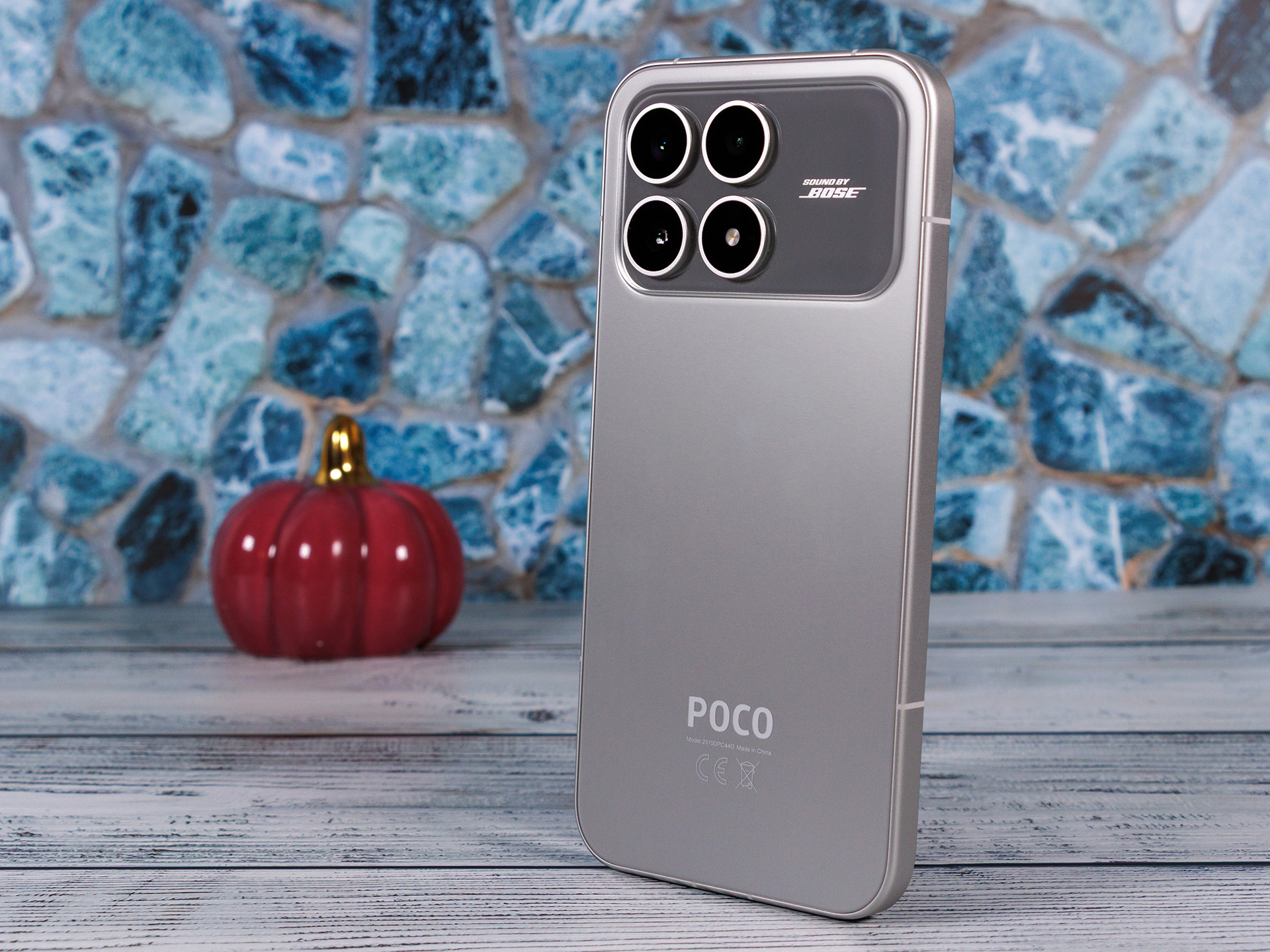
The Poco F8 Pro is quickly earning a reputation as one of the most compelling “near-flagship” smartphones for the money, and it’s easy to see why. Reviews consistently praise its snappy performance, oversized 6,210 mAh battery, and seriously fast charging that reaches up to 100W. Add in IP68 water and dust resistance, plus surprisingly capable speakers tuned with Bose optimization, and you get a phone that feels built for people who want premium daily use without paying top-tier flagship prices.
Another big reason the Poco F8 Pro is getting so much attention is the camera upgrade. On paper, it looks far more “flagship-like” than many rivals in its class, thanks to the addition of a dedicated zoom lens. For shoppers comparing specs before buying, that zoom camera alone helps the F8 Pro stand out in a crowded mid-to-high range market.
That said, the Poco F8 Pro isn’t trying to hide that it makes a few trade-offs to hit its recommended retail price. The new telephoto camera comes without optical image stabilization (OIS), which can matter if you frequently shoot zoom photos in low light. The ultra-wide camera also isn’t a standout, with image quality described as only average. And while Wi‑Fi 7 support is included, it notably skips the 6 GHz band. You also won’t find wireless charging here, and the phone sticks to USB 2.0 instead of a faster USB standard—something power users may notice when transferring large files.
Where the Poco F8 Pro gets especially interesting is when you compare it to other phones from the same brand family in a similar price bracket. Two models tend to come up immediately: the Xiaomi 15T and the Xiaomi 15. The Xiaomi 15T is also relatively new and is positioned as a strong alternative with a more impressive camera setup, but it gives up ground with a smaller battery and a less powerful chipset. The Xiaomi 15, as a true flagship option, offers stronger camera hardware and doesn’t compromise on performance, even though its battery is smaller. Thanks to an LTPO display, it can still deliver efficient battery life despite the smaller capacity.
Outside of that in-house competition, the Galaxy S25 is another major rival shoppers may consider. It remains a strong option overall, but battery life is a weaker point compared with the Poco F8 Pro—an area where the F8 Pro clearly aims to dominate.
Put it all together and the Poco F8 Pro lands in a very competitive sweet spot. Yes, you’re accepting a few misses—like no wireless charging, USB 2.0, and certain camera limitations—but the overall package is hard to ignore, especially for anyone who values long battery life, quick top-ups, and loud, high-quality speakers. And with its price already dropping noticeably, the Poco F8 Pro is shaping up to be an even better deal than it looks at launch, making it a smart pick for buyers hunting for maximum value in a high-performance Android phone.