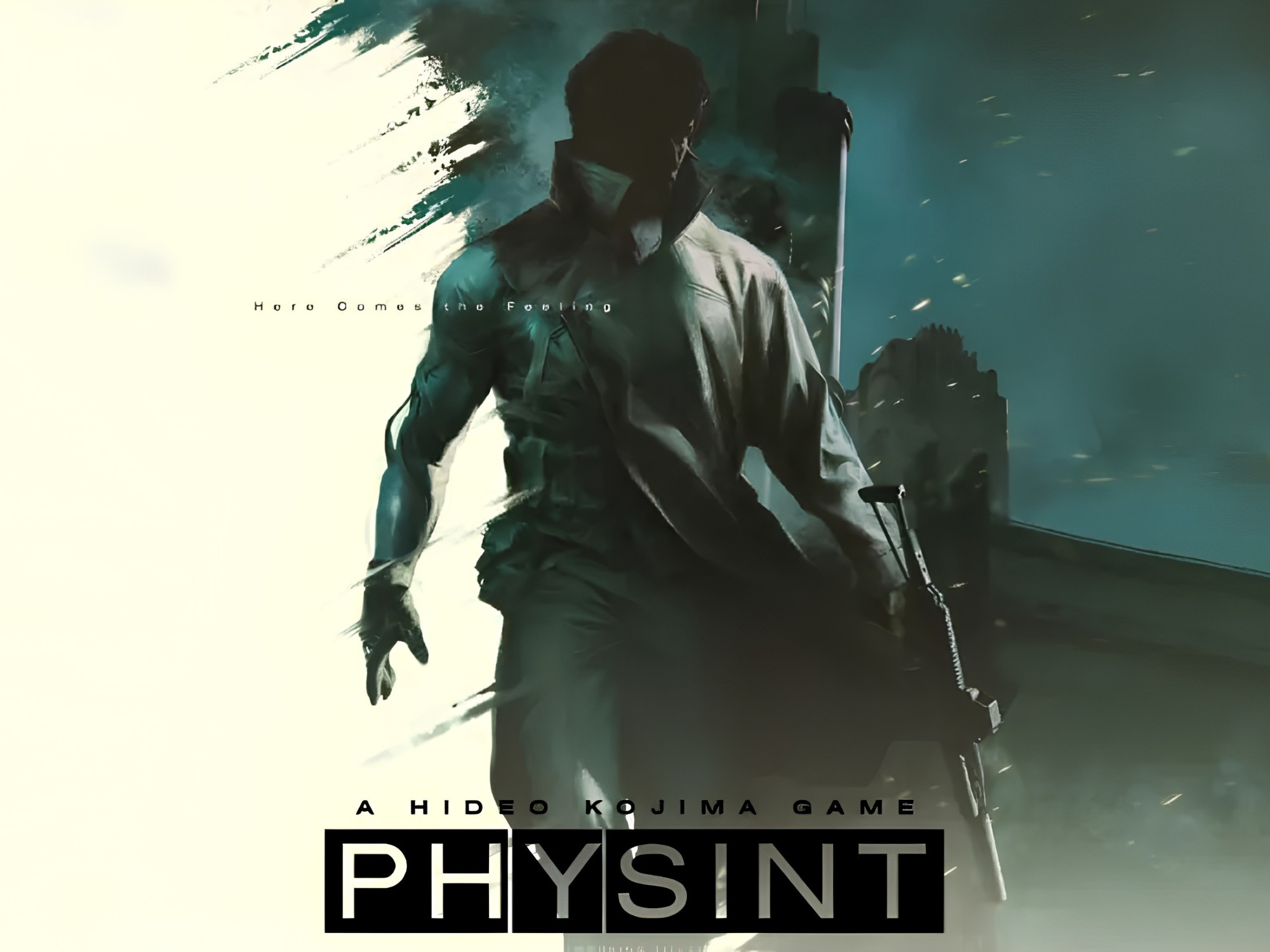
PlayStation Reportedly Dropped Hideo Kojima’s Physint Over Budget Concerns, Delays, and a Renewed Focus on PS5 Exclusives
Sony’s decision to walk away from Hideo Kojima’s upcoming action-stealth project, Physint, has become one of the most surprising developments in the gaming industry. The project was expected to be another major collaboration between PlayStation and Kojima Productions, especially after the success and cultural impact of Death Stranding. Now, new reporting suggests the split may have been caused by a combination of rising development costs, missed milestones, and Sony’s changing strategy around exclusivity.
According to Bloomberg’s reporting, PlayStation became concerned about Physint due to its growing budget, uncertain profitability, and development timeline. While Kojima’s games are known for their ambition, cinematic presentation, and unusual creative direction, that ambition can also come with long production cycles and expensive development demands.
Physint was expected to be a major action-espionage experience, a genre closely associated with Kojima’s legacy. However, Sony reportedly did not see enough progress to justify continued investment, especially as the project became increasingly costly.
The situation appears to have been influenced by the commercial performance of Death Stranding and Death Stranding 2. Both games earned attention, praise, and loyal fan support, but reports suggest they may not have reached Sony’s financial expectations. That matters because Physint was likely to be another high-budget, story-driven project with a more experimental edge than traditional blockbuster franchises.
Kojima has long been known as a creator who pushes for precision and polish. That approach has helped produce some of the most memorable games in modern history, but it has also led to delays in the past. Several earlier projects under his direction experienced extended development periods, and Sony may have feared that Physint was heading down a similar path.
Another major factor appears to be PlayStation’s renewed interest in keeping more of its premium single-player games tied closely to its own hardware. In recent years, Sony has brought several former PlayStation exclusives to PC, opening the door to new audiences and extra revenue. However, the company now seems to be rethinking that approach, particularly for major first-party-style releases.
This shift may have made Physint a difficult fit. If Sony invested heavily in the project but did not fully control its long-term publishing future across platforms, the financial upside may have looked less attractive. The report suggests that a PC version not published by Sony Interactive Entertainment would have limited Sony’s ability to benefit from the game outside its console ecosystem.
That detail is important because Death Stranding and its sequel both had strong ties to PlayStation. Death Stranding first launched on PlayStation before expanding elsewhere, while Death Stranding 2 arrived as a PlayStation release before later moving to PC. If Physint was expected to follow a different publishing route, Sony may have decided the risk was too high.
The biggest twist is that Xbox reportedly picked up publishing rights after Sony stepped away. That move is especially notable because Xbox has embraced a broader platform strategy, often releasing its games across consoles, PC, and cloud services. Under Xbox, Physint could potentially reach a wider audience from the start, though its future on PlayStation hardware now appears uncertain.
For fans, the news is complicated. On one hand, Physint may still move forward with major backing and a larger potential audience. On the other hand, PlayStation players who expected the game to become a flagship Sony-backed title may now have reason to worry about whether it will arrive on PS5 or a future PlayStation console.
The decision also feeds into a larger debate about Sony’s direction. Some players believe PlayStation has become more cautious, focusing heavily on proven franchises, hardware exclusivity, and revenue models with predictable returns. Critics argue that moving away from risky original projects could make the brand feel less adventurous than it once did.
For Sony, the choice may simply come down to business. Big-budget game development is more expensive than ever, and companies are under growing pressure to manage risk. A creator-led project like Physint could become a masterpiece, but it could also require years of investment before generating returns.
For Kojima Productions, the move may open new opportunities. Kojima’s games have always attracted attention because they are different from standard blockbuster releases. With Xbox reportedly involved, Physint could still become one of the most talked-about games of the coming years, especially if it revives the stealth-action style that made Kojima a household name among gamers.
At the center of the story is a clear industry trend: exclusivity, platform strategy, and development costs are reshaping how major games are funded. PlayStation may be returning to a more traditional exclusive-first model, while Xbox continues to pursue broader access across devices.
Whether Sony made the right call will depend on what Physint eventually becomes. If the game struggles with delays and ballooning costs, PlayStation’s decision may look practical. But if Kojima delivers another groundbreaking experience, Sony’s choice to step away could be remembered as a major missed opportunity.


