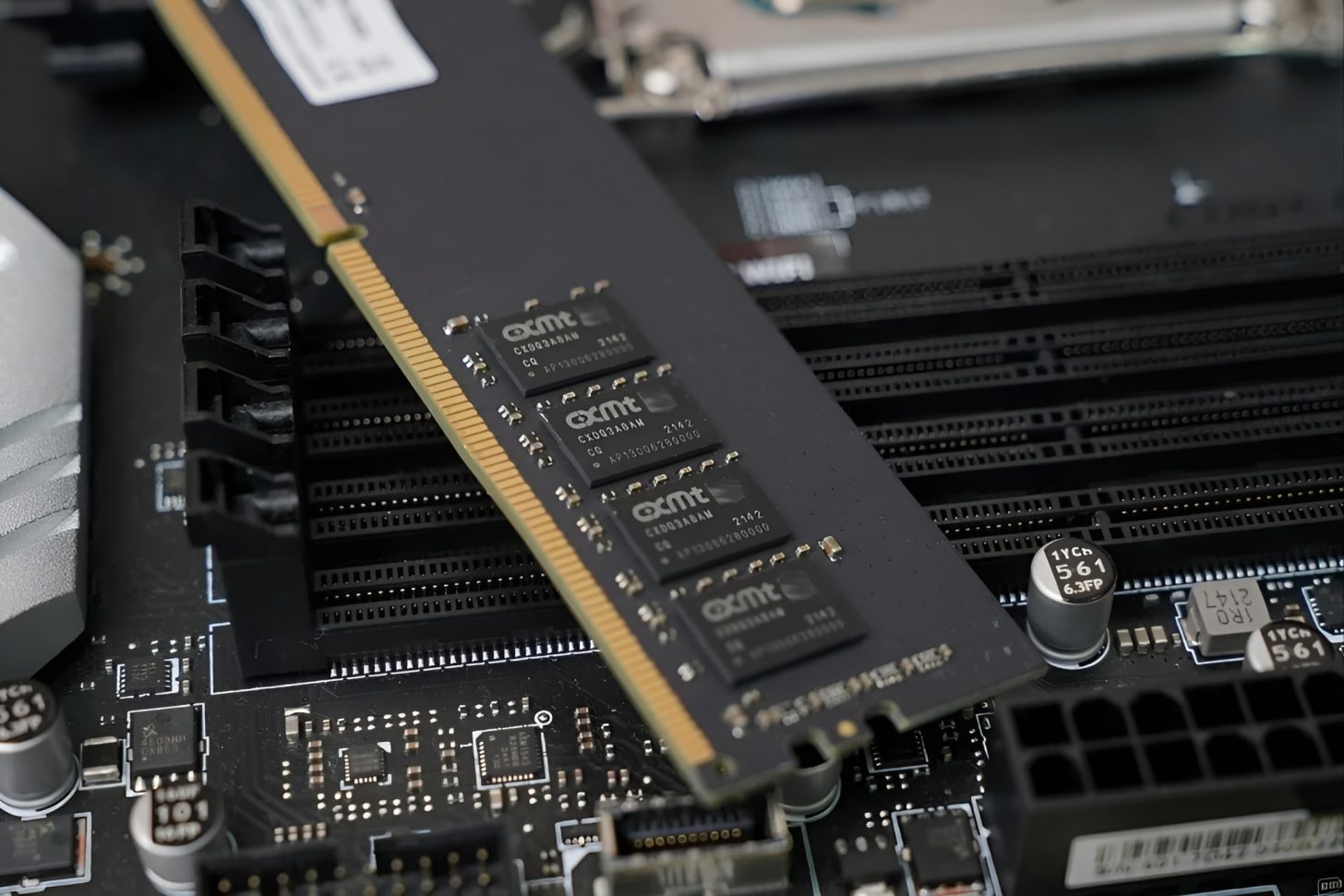
Chinese memory makers just cleared one of their biggest hurdles in the US, and it could reshape how PC and device manufacturers think about sourcing DRAM and NAND in the near future.
In a notable update to the Pentagon’s Section 1260H list, ChangXin Memory Technologies (CXMT) and Yangtze Memory Technologies Co., Ltd. (YMTC) have been removed. Previously, their placement on this list created a major roadblock for broader adoption of Chinese-made DRAM and NAND products—especially for companies that sell into the US market or rely on US-aligned supply chains.
Section 1260H is the Pentagon’s roster of companies categorized as “Communist Chinese Military Companies” (CCMCs). Being named on it can make firms toxic to work with from a compliance and reputation standpoint, since partners may worry about supply chain risk, regulatory fallout, or restrictions tied to national security concerns. YMTC, a key NAND flash producer, was added to the list in 2024, and CXMT, known for DRAM, followed in early 2025.
Now that both CXMT and YMTC have been taken off Section 1260H, they’re no longer labeled under that specific national security threat designation. Practically speaking, this change opens the door wider for the two companies to pursue business tied to US Department of War contracts, and it also reduces one of the political barriers that has discouraged major manufacturers from moving forward with Chinese memory suppliers.
That said, this doesn’t mean the path is completely clear.
Even without Section 1260H status, restrictions can still come from other parts of the US government. YMTC, in particular, continues to face limitations through the US Commerce Department, including its presence on the Entity List. For potential partners—especially large OEMs that ship laptops, desktops, servers, and other consumer electronics—this can still be a serious concern. Entity List-related exposure can translate into compliance headaches and uncertainty about future rules, which is why many manufacturers may remain cautious even if interest is growing.
And interest does appear to be growing. Major PC manufacturers have reportedly been in contact with CXMT and YMTC to explore supply possibilities for DRAM and NAND. With memory pricing, availability, and geopolitical diversification all top-of-mind across the industry, sourcing options beyond the traditional suppliers can look increasingly attractive—assuming the regulatory risk can be managed.
The takeaway: removing CXMT and YMTC from the Pentagon’s Section 1260H list strengthens the case for Chinese DRAM and NAND adoption, but it doesn’t eliminate the risk. Until broader US trade restrictions are clarified or eased, manufacturers weighing Chinese memory components will likely continue to move carefully, balancing supply benefits against the possibility of sudden policy changes.