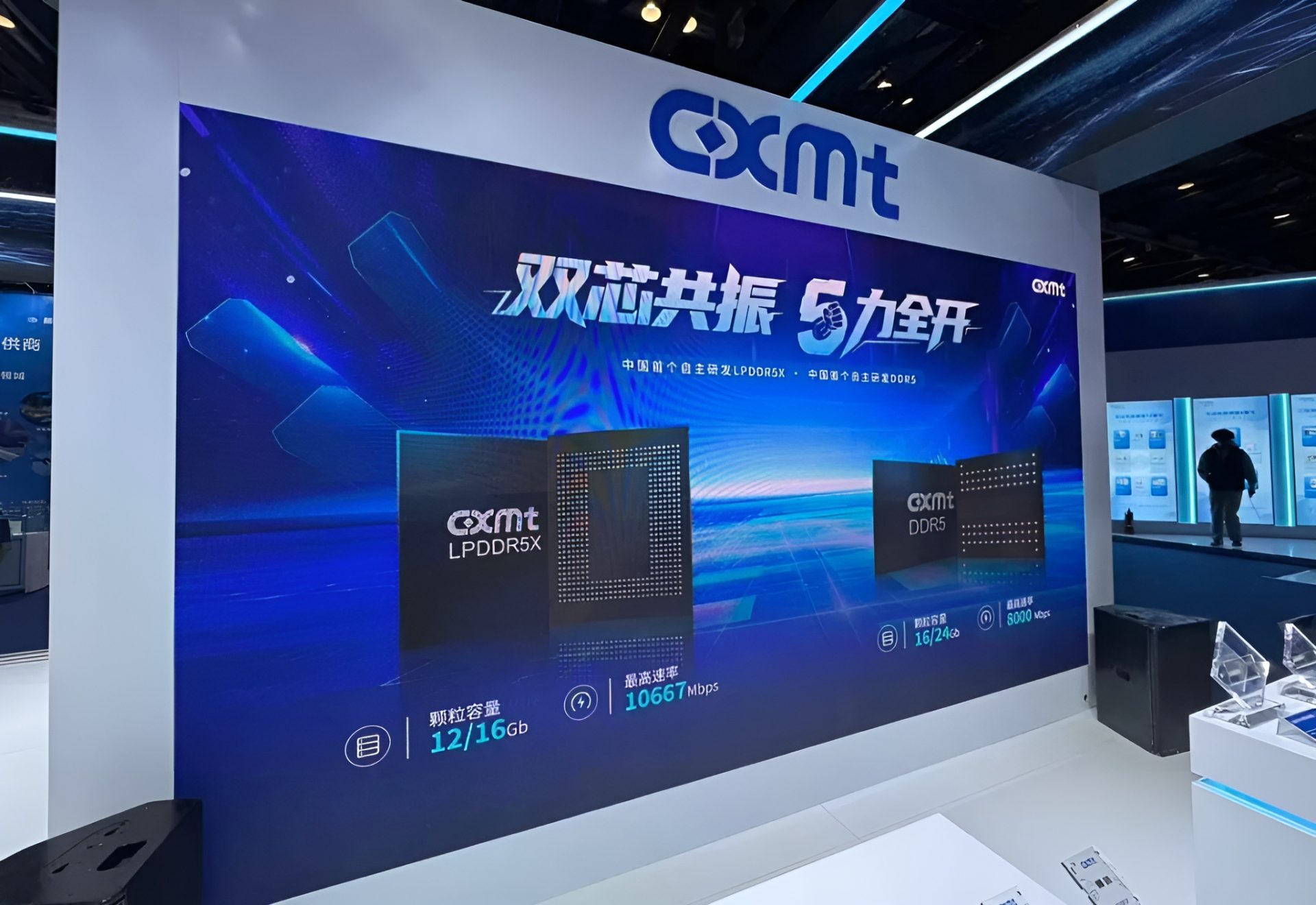
The United States is moving closer to tighter restrictions on Chinese-made memory and semiconductor components, and a newly proposed federal rule could have wide-reaching consequences for the tech supply chain. At the center of the proposal are three major Chinese chipmakers: Yangtze Memory Technologies Co. (YMTC), ChangXin Memory Technologies (CXMT), and Semiconductor Manufacturing International Corp. (SMIC).
The proposal comes at a time when the memory market has been under pressure, with DRAM supply often tight and top global manufacturers prioritizing higher-margin enterprise demand. That squeeze has fueled interest in alternative suppliers, including China’s growing memory industry. But even as attention increases around YMTC and CXMT as potential sources for NAND flash and DRAM, US policy could make their chips far harder to use—especially in products that might be sold into government channels.
Under a new rulemaking issued by the Federal Acquisition Regulatory Council (FAR), the US government is outlining how it would restrict “covered semiconductor products or services” tied to SMIC, CXMT, YMTC, and any of their affiliates, subsidiaries, or successors. The definition is broad and is designed to capture not only standalone chips, but also products that include those chips, as well as services that rely on them.
This rule would expand on Section 5949 of the FY23 National Defense Authorization Act, which already placed limits on certain Chinese technology in government-related procurement. What stands out in the latest proposal is the practical reach: it’s structured to apply even to lower-cost purchases—items priced at $15,000 or less—covering many everyday, off-the-shelf technology products. It also encompasses commercial IT and telecommunications services, which could widen the impact beyond hardware alone.
The FAR Council is also pushing for a thorough review of electronic products currently used across official channels. There’s a timeline element as well: purchases made before December 23, 2027, would not be subject to the new restrictions, creating a window in which existing procurement could continue under prior rules.
For now, the proposal is still in the review stage and open for public comment until April 20. That means nothing is final yet. Still, the direction is clear: the US government wants to limit the presence of Chinese semiconductors and memory components in government-bound products and services, and potentially in the broader ecosystem that supplies them.
Why does this matter for everyday consumer tech like laptops, smartphones, and desktop PCs? Because manufacturers don’t build separate versions of everything for different buyers unless they have to. If government procurement rules forbid certain components, it becomes much harder for major brands and original equipment manufacturers to justify using those same chips in mass-market consumer devices. The risk is logistical complexity, compliance headaches, and possible sales restrictions depending on how products are distributed.
That reality could slow or prevent wider adoption of CXMT DRAM or YMTC NAND flash in mainstream devices, even when demand is high and alternative supply would be welcome. Reports have suggested that major PC makers have explored potential DRAM cooperation with CXMT, but the big question is whether those discussions can turn into real product integration in a climate where government use is increasingly restricted.
With memory supply cycles, pricing pressure, and geopolitical policy all colliding, the next few years could determine how much Chinese-made memory shows up in global consumer electronics—and how aggressively manufacturers move to diversify away from traditional suppliers while staying within US procurement and compliance boundaries.