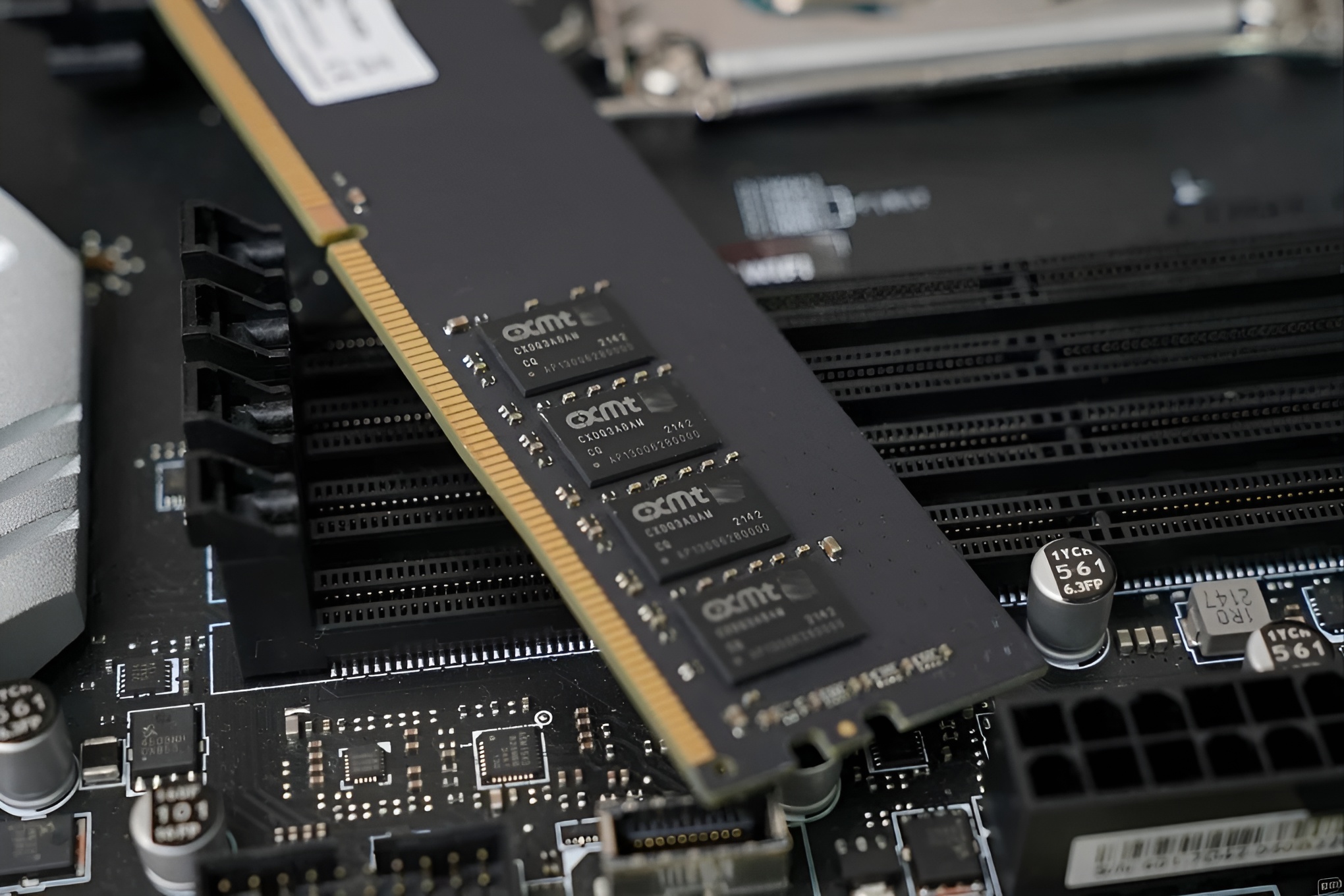
The ongoing memory shortage is getting so bad that many PC builders and gamers are starting to look toward Chinese suppliers as a potential lifeline. Names like CXMT and YMTC often come up in conversations about “cheap DDR5 and DDR4 RAM,” with hope that new suppliers could flood the market with affordable modules and finally cool down retail prices. The reality, however, is far less encouraging. Between production limitations, cost disadvantages, and major regulatory roadblocks, Chinese-made memory isn’t likely to become the budget-friendly savior many people are waiting for.
Why RAM prices keep rising, especially for higher-capacity kits, comes down largely to tight DRAM supply. As availability stays constrained, the market naturally shifts toward higher pricing, and that’s exactly what buyers are experiencing. This environment makes it tempting to assume that emerging manufacturers could step in, ramp production, and offer cut-rate pricing to win market share. But with DDR5 in particular, the challenges aren’t just about wanting to scale up. They’re about whether scaling up is even feasible at competitive cost and quality.
CXMT is frequently mentioned as one of China’s leading players for DDR5-class memory, so it’s a useful example of the broader problem. Modern DDR5 production is typically associated with advanced process technologies that rely on EUV lithography. China doesn’t have access to that equipment, so manufacturers must use alternative methods to reach similar targets. These workarounds can produce functional results, but they tend to come with trade-offs.
One of the biggest issues is die size. Reports indicate CXMT’s dies can be roughly 40–50% larger than what established leaders can achieve at the same memory capacity. That difference matters enormously when you’re thinking about mass production. A larger die generally means fewer chips per silicon wafer, and fewer chips per wafer pushes costs up sharply. Even if a company can produce competitive modules in smaller quantities, hitting true volume while maintaining aggressive pricing becomes much harder when your underlying production efficiency is behind.
Performance tuning can also introduce additional compromises. Reaching very high DDR5 speeds, such as 8,000 MT/s-class targets, often requires stricter selection and binning. Those approaches can lead to higher operating temperatures compared with more mature alternatives, depending on how the kit is tuned and what voltage profiles are used. And beyond raw speed, enterprise and global PC adoption depends on a longer chain of trust: extensive validation, testing, customer support, and integration work across a wide range of platforms. Newer suppliers don’t just need a chip that works in a lab—they need a track record of reliability across CPUs, notebooks, desktops, and various graphics and compute environments, plus the ability to respond quickly when issues surface in real deployments.
That gap in maturity is one reason major system builders tend to stay with proven partners. Established memory vendors have decades of experience resolving compatibility issues, meeting reliability targets, and supporting large OEM qualification cycles. For a newer DDR5 supplier, breaking into that ecosystem takes time, money, and a long list of successful deployments.
There’s also the assumption that Chinese suppliers will automatically sell cheaper. That isn’t necessarily happening. CXMT has reportedly pushed back on claims that it’s selling RAM at unusually low prices, and industry reporting suggests pricing may move closer to what mainstream vendors already charge. YMTC, widely known for NAND flash, has also been investing into DRAM-related efforts, but there’s no clear indication of widespread underpricing for DDR5 or DDR4 contracts. In other words, even if more supply eventually comes online, buyers shouldn’t expect a guaranteed “China discount” that resets the entire RAM market overnight.
Even if we imagine a scenario where Chinese-made DRAM becomes genuinely cheap, another question remains: how would it reach customers in major markets, especially the United States? Regulatory pressure and trade restrictions are a major factor here. YMTC has been on the U.S. Entity List since late 2022 amid allegations tied to prohibited relationships and national security concerns. CXMT is not on the Entity List, but it has still faced U.S. restrictions under Section 1260H, which can complicate business relationships and discourage mainstream adoption. Beyond individual company lists, the broader U.S. stance has consistently been cautious about integrating core technologies sourced from Chinese vendors into products sold broadly in American markets, especially in areas related to computing infrastructure and advanced technology.
All of this adds up to a sobering outlook: the idea of plentiful, cheap DDR5 and DDR4 RAM arriving soon thanks to CXMT, YMTC, or similar manufacturers is likely too optimistic. Between higher production costs at scale, the slow process of earning industry trust through validation and reliability, and the risk of regulatory intervention, Chinese memory suppliers may remain limited in how much they can influence global retail pricing in the near future. For consumers hoping for immediate relief from expensive RAM, the constraints behind the scenes suggest that meaningful price drops will depend more on overall DRAM supply recovery than on a sudden wave of low-cost Chinese modules.