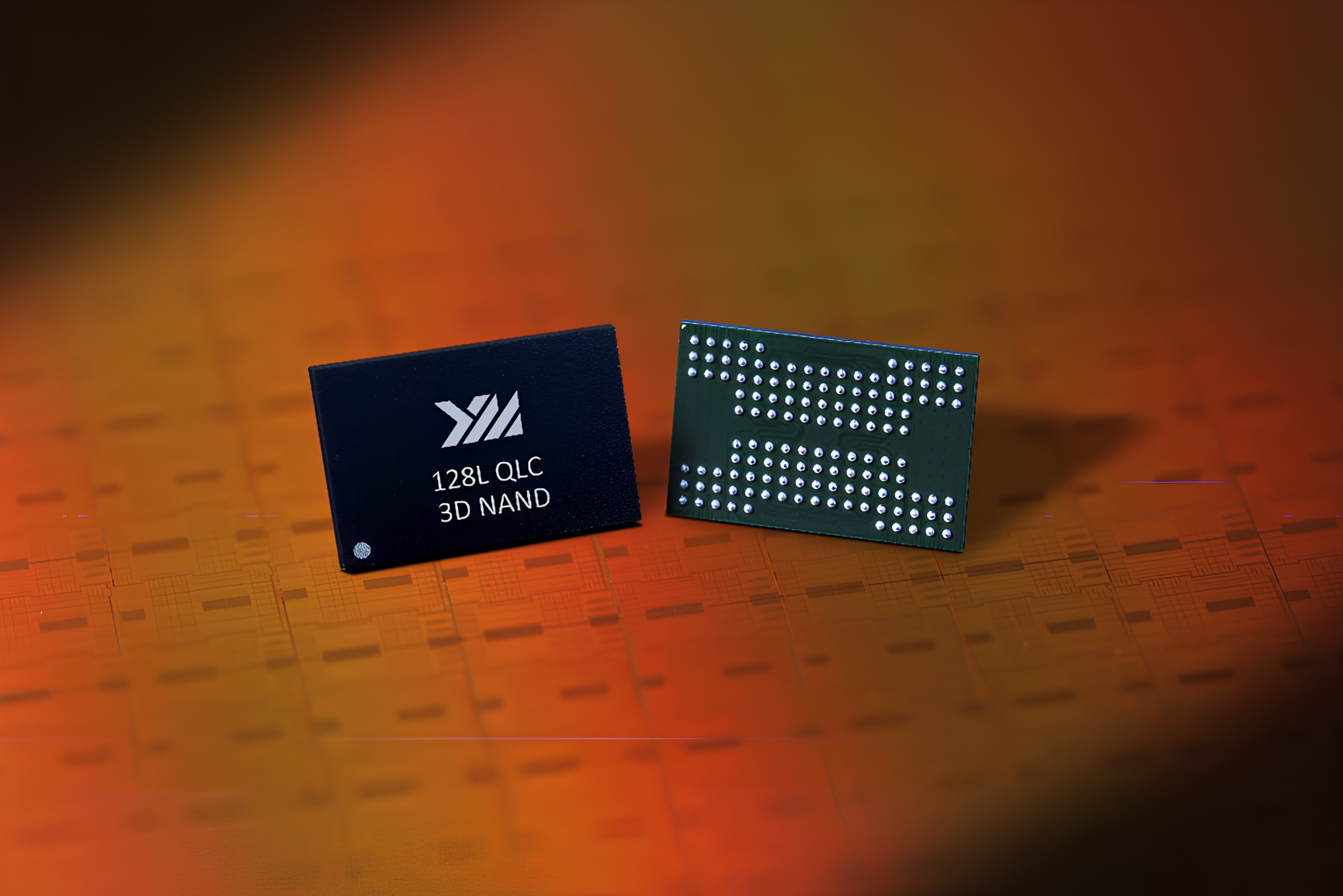
China’s memory makers are joining forces to accelerate HBM development, with YMTC reportedly partnering with CXMT to push into HBM3 and beyond
China’s race for semiconductor self-reliance is moving up a gear, and high-bandwidth memory sits at the center of that strategy. According to industry reports, YMTC, long known for advanced NAND flash, plans to invest in DRAM and work with CXMT to bring next-generation HBM to market. CXMT is widely viewed as China’s leading DRAM producer and is said to be mass-manufacturing HBM2 while rapidly progressing toward HBM3.
The partnership appears focused on hybrid bonding, a packaging technology that enables denser die stacking and higher signal integrity compared to traditional micro-bump methods. By reducing interconnect resistance and improving alignment, hybrid bonding can deliver more bandwidth per watt—exactly what modern AI accelerators and data center GPUs demand. If YMTC can leverage this know-how from CXMT, it could meaningfully shorten the timeline from DRAM R&D to viable HBM production.
Several signals suggest YMTC is gearing up for this shift. The company is reportedly procuring DRAM-focused R&D equipment and building out the capabilities needed for HBM manufacturing. Before facing export restrictions, YMTC had already proven itself as a top-tier NAND supplier with sophisticated process and packaging expertise—assets it can redeploy as it pivots into DRAM-based HBM.
Why this matters goes beyond memory specs. HBM has become a strategic component in AI infrastructure, with training and inference workloads increasingly bottlenecked by memory bandwidth rather than raw compute. A homegrown HBM supply would align with China’s broader goal of building a domestic AI tech stack, from accelerators to advanced packaging and memory. Scaling production capacity is a clear priority, and hybrid bonding is a logical path to competitive performance and yields.
The competitive implications are hard to ignore. Established leaders in South Korea maintain a clear edge in intellectual property, process maturity, and ecosystem depth. However, a fast-moving collaboration between YMTC and CXMT could tighten the gap on capacity and introduce credible alternatives in the HBM2 and HBM3 tiers. Even incremental gains could shift market dynamics, particularly if domestic demand in China absorbs early output and helps fund further process refinements.
Key points to watch in the months ahead include:
– The pace of YMTC’s DRAM equipment installs and pilot lines for HBM
– Evidence of hybrid bonding moving from R&D to stable, scalable production
– CXMT’s transition from HBM2 to HBM3, including stack densities and yields
– How supply chain constraints and export controls affect tool availability and ramp timelines
– Early design wins in AI servers or accelerator boards that validate performance and reliability
If this collaboration delivers, it could reduce a major bottleneck in China’s AI hardware ecosystem while pressuring global competitors to accelerate their own roadmaps. For buyers and builders of AI infrastructure, more HBM sources usually translate into better availability and, over time, more favorable pricing and innovation cycles.
Bottom line: YMTC’s move into DRAM, backed by CXMT’s HBM experience and hybrid bonding expertise, signals a serious push toward HBM3-class memory. It’s a strategic play aimed at securing bandwidth-hungry AI workloads with domestic supply, and it has the potential to reshape the HBM competitive landscape in the process.