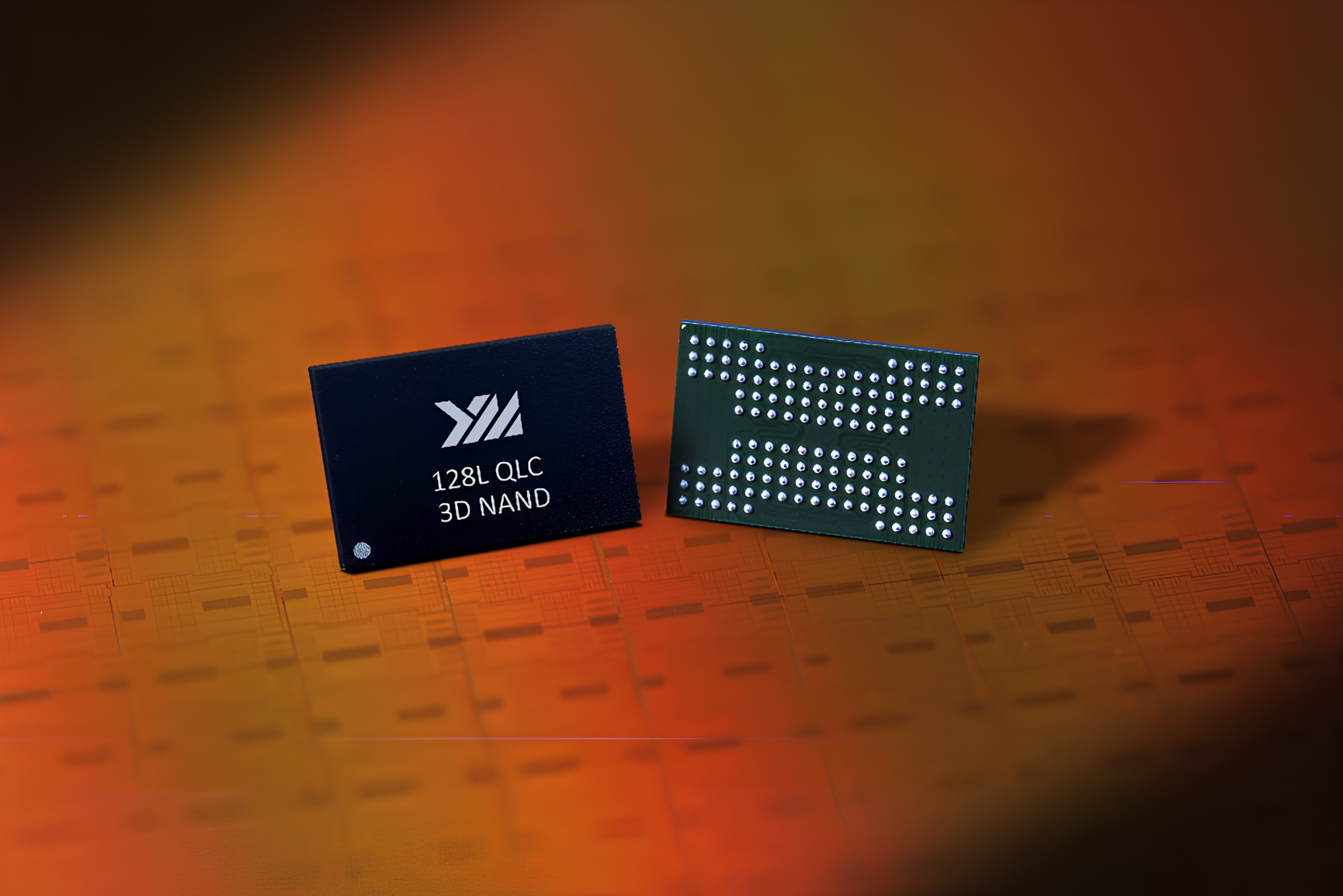
China’s leading NAND maker YMTC is gearing up to enter the DRAM market with an eye on building in-house HBM, a move aimed at easing the country’s acute shortage of high‑bandwidth memory for AI chips. With domestic demand for AI accelerators surging and import restrictions tightening, the company’s pivot signals a broader push to secure critical memory technology at home.
Key points at a glance:
– YMTC is setting up DRAM production lines to support HBM development.
– The company is investing in through‑silicon via (TSV) packaging, essential for stacking HBM dies.
– Collaboration with DRAM specialist CXMT is expected to accelerate 3D stacking and HBM capabilities.
– A facility in Wuhan is reportedly being prepped for DRAM output, though production volumes remain unclear.
– The initiative targets a nationwide HBM shortfall that’s constraining AI chip rollouts.
China’s HBM crunch has become one of the biggest bottlenecks for domestic AI hardware. HBM is a specialized type of DRAM that stacks multiple memory dies vertically and connects them via TSVs, delivering massive bandwidth for AI training and inference. As inventory buffers dwindle and export controls expand to include advanced memory, local firms are racing to close the gap. Reports indicate YMTC’s plans include not just conventional DRAM, but the advanced packaging know‑how needed to produce competitive stacked memory.
The strategy appears two‑pronged: stand up DRAM manufacturing capacity while building the packaging and stacking expertise that defines HBM’s performance edge. Partnering with CXMT would bring valuable DRAM process knowledge and experience in 3D stacking, potentially shortening YMTC’s path to meaningful output. While timelines and yields are still unknown, dedicating a Wuhan site to DRAM suggests the company is moving beyond exploratory work and into concrete build‑out.
This shift dovetails with broader industry efforts. Domestic tech leaders are seeking secure, scalable memory pipelines for next‑generation AI accelerators, and recent announcements around in‑house HBM process integration underscore the urgency. If YMTC and partners can deliver reliable HBM at scale, they could unlock stalled AI deployments and reduce dependence on overseas suppliers.
The road ahead is challenging. DRAM is a high‑volume, yield‑sensitive business, and HBM adds complexity with TSVs, advanced interposers, and tight integration with compute dies. Success will hinge on process maturity, packaging yields, ecosystem partnerships, and access to critical tools and materials. It also remains to be seen which HBM generations YMTC targets first—earlier standards such as HBM2E could be a stepping stone to HBM3 and beyond.
What to watch next:
– Pilot runs and qualification milestones for YMTC’s DRAM and HBM lines
– Details on TSV and 3D stacking breakthroughs, including yield and reliability
– Capacity scaling plans in Wuhan and any additional fabs
– Collaboration specifics with CXMT and other domestic suppliers
– Which AI chipmakers line up as early customers for local HBM
If YMTC executes, China could meaningfully alleviate its HBM shortage and strengthen its AI supply chain. Even incremental domestic output would help rebalance supply and demand, with outsized impact on AI chip availability and deployment timelines across the country.