Apple’s first foldable iPhone is reportedly getting closer to reality, and a new hands-on look at metal “dummy units” is offering a clearer idea of what the upcoming device may look and feel like. While Apple still hasn’t confirmed anything publicly, the latest measurements suggest the rumoured iPhone Ultra could arrive at Apple’s September 2026 iPhone event.
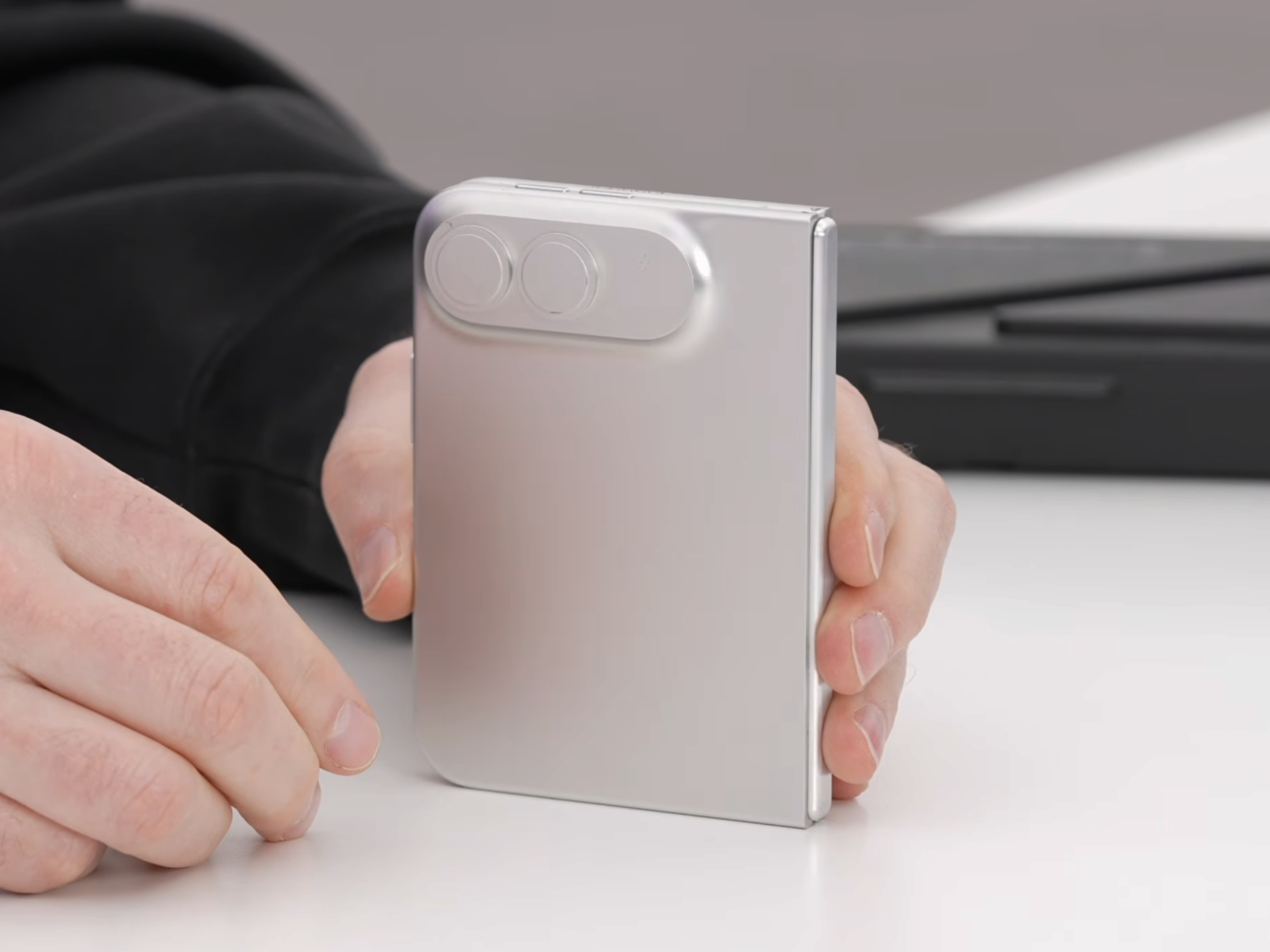
A well-known YouTuber has showcased steel mockups that have been circulating in recent weeks, using precision calipers to highlight potential dimensions and design details. One of the biggest takeaways is thickness—especially once the rear camera module is factored in.
According to the dummy unit measurements, the foldable iPhone Ultra is about 11 mm thick when closed. However, the camera bump appears to add a significant amount, pushing total thickness to roughly 16.57 mm at the thickest point. In practical terms, that means the camera housing could make the phone noticeably bulkier than it looks at first glance.
That oversized camera bump may also affect everyday usability. The dummy unit reportedly rocks and wobbles heavily when placed on a flat surface, because the raised dual-camera module lifts part of the device off the table. If this design holds for the final product, many users may end up relying on a case to reduce wobble during typing, tapping, or using the phone on a desk.
On the other end of the scale, the foldable appears impressively slim at its thinnest point. The mockup measures around 5.24 mm per side when opened, which would translate to 10.48 mm combined—though real-world foldables often have additional factors like display layers and inner bezels that influence how thin the device feels.
Speaking of bezels, the dummy unit suggests Apple may be aiming for a clean, modern inner display design. The inner bezels are said to be around 0.27 mm thick on each side, which could help the unfolded screen look more immersive and premium, especially if Apple pairs it with refined display engineering and a high-end hinge system.
Another interesting detail is the device’s height. The iPhone Ultra is now rumoured to be about 117 mm tall, slightly taller than earlier whispers suggested. Even so, that would make it only about 2 mm taller than the classic iPhone 4—an eye-catching comparison that hints at a compact footprint when folded, despite being a foldable.
One more design change mentioned is the placement of the volume buttons, which are claimed to be top-mounted on this model. If accurate, that would be a notable shift from typical iPhone button layouts and could be tied to internal space constraints or hinge-related design priorities that come with foldable hardware.
While these are still based on non-final mockups, the measurements paint a clearer picture of Apple’s possible direction: a relatively compact foldable iPhone with an ultra-thin open profile, very slim inner bezels, and a camera module that could be the most visually and physically dominant element of the design.
If current expectations are correct, Apple could unveil the iPhone Ultra in September 2026. Until then, dummy units like these will continue to spark debate—especially around whether users will welcome the trade-off of a thicker camera bump in exchange for flagship photo performance in Apple’s first foldable iPhone.