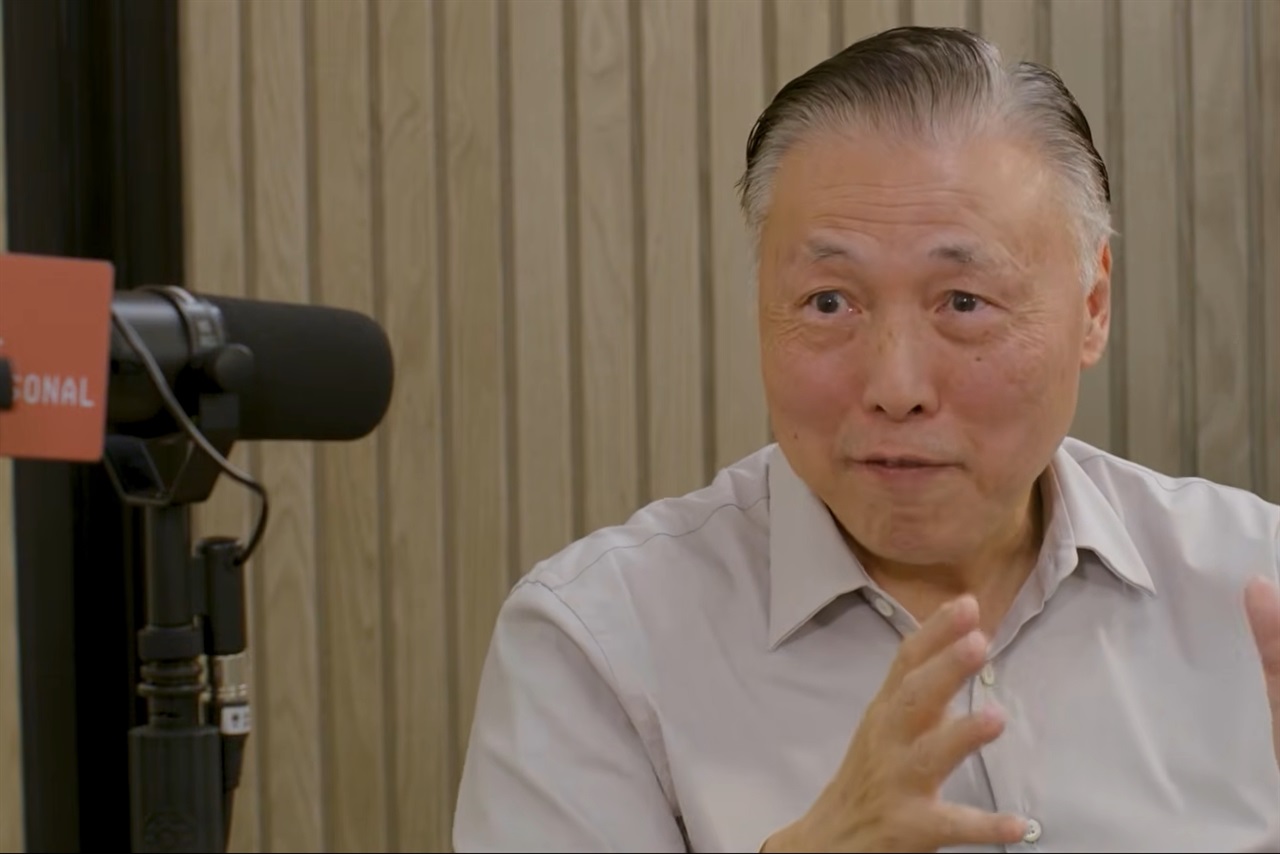
In the high-stakes world of global semiconductors, where microscopic precision meets massive technological demands and shifting geopolitics, Dr. Tien Wu has emerged as an unusually compelling leader. He’s often described as someone who can operate at two speeds at once: meeting the relentless expectations that come with guiding a major $22 billion technology organization, while still keeping a people-first, humanistic approach at the center of his decisions.
That combination is part of what makes Dr. Wu’s vision resonate across the semiconductor industry right now. Chips have become the foundation of modern life, powering everything from smartphones and data centers to electric vehicles and AI computing. As the world races to build faster, smaller, and more energy-efficient processors, the pressure on semiconductor supply chains, advanced packaging, and manufacturing innovation has never been higher.
At the heart of this moment is a growing realization: the future of computing isn’t just about making transistors smaller. It’s also about how chips are packaged, connected, cooled, and integrated into systems that can handle next-generation workloads. That’s why “packaging the future” has become more than a catchy phrase—it reflects where semiconductor strategy is increasingly being won or lost.
Dr. Wu’s perspective stands out because it ties these technical leaps to a broader sense of purpose. In an industry famous for speed, scale, and precision, he represents a leadership style that doesn’t treat people as interchangeable parts of a machine. Instead, his approach suggests that sustainable innovation depends on building strong teams, investing in talent, and creating cultures where high performance doesn’t come at the cost of humanity.
This matters for more than internal company success. The semiconductor sector is now tightly intertwined with national security, economic competitiveness, and global trade policy. When a single disruption can ripple through industries worldwide, leadership in chip technology—and the ability to execute reliably at scale—carries enormous consequences. Visionary decision-making today can shape what the next decade of AI hardware, mobile computing, and cloud infrastructure will look like.
By blending a rigorous engineering mindset with a grounded philosophy, Dr. Tien Wu reflects a new kind of semiconductor leadership: one that recognizes the industry’s future will be built not only with breakthrough process technology, but also with smarter packaging innovation, resilient operations, and people-centered execution.