OpenAI has reshaped the landscape of artificial intelligence with ChatGPT, setting new standards for what the technology can achieve. Despite this landmark success, they’re not resting on their laurels. Now, a Chinese startup is making headlines for introducing an affordable language learning model (LLM) that is generating quite a buzz, claiming to rival even the platforms offered by industry giants like OpenAI and Meta. The startup’s flagship, the R1 reasoning model, is attracting attention for its innovative capabilities, potentially surpassing existing models.
This Chinese startup, already making waves in the tech world, has rapidly soared to become a top contender on the App Store, surpassing ChatGPT in the charts—a clear indication of its impact. Moreover, the financial markets have felt its presence; notably, Nvidia saw its shares plummet by 17% on January 27th, a drop significant enough to be the largest single-day decline in the U.S. market. The startup asserts that their R1 model is on par with OpenAI’s offerings.
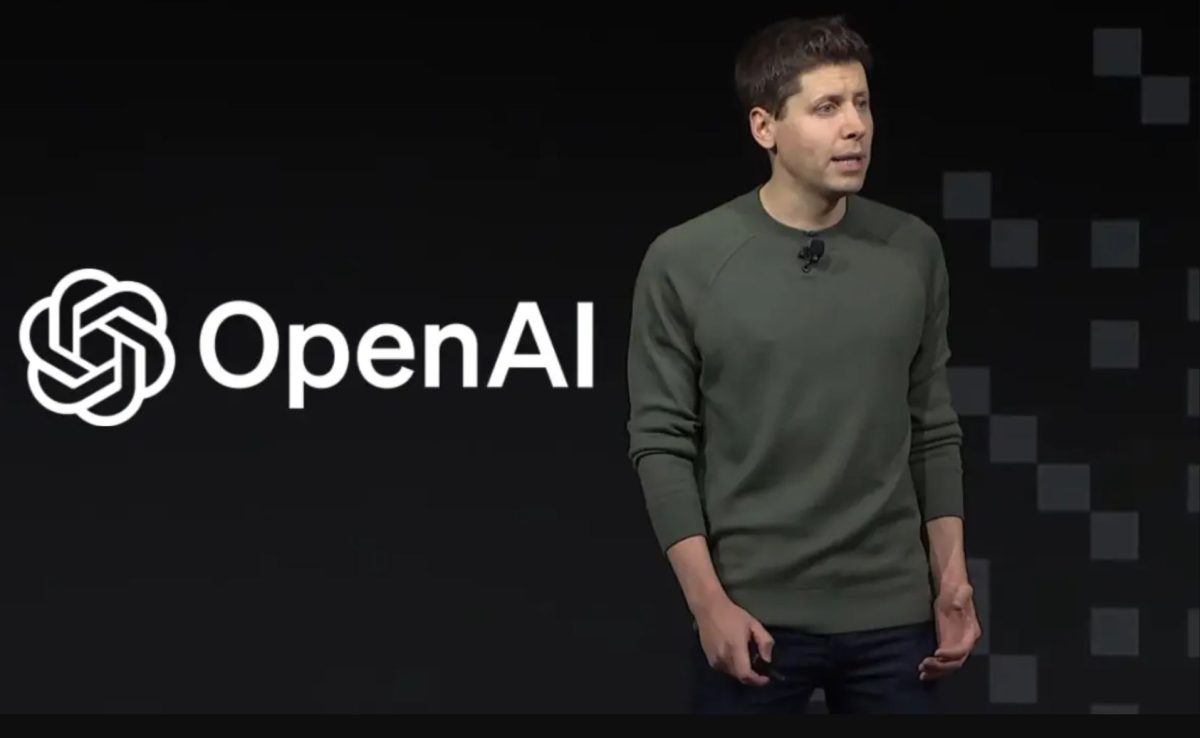
Faced with questions about whether OpenAI’s reign at the top is coming to an end, CEO Sam Altman weighed in on the matter, recognizing the strengths of DeepSeek’s R1 model. Altman lauded the model as “impressive,” particularly praising the cost-efficiency with which it operates. Despite acknowledging DeepSeek’s achievements, he remains confident that OpenAI will continue to advance, promising even more sophisticated models in their pipeline.
Altman expressed enthusiasm about the arrival of a new competitor, indicating that competition invigorates the field and fuels innovation. He hinted at forthcoming new releases from OpenAI, signaling that they are fully geared to stay ahead in the AI race. His comments underscored OpenAI’s unwavering commitment to its mission of advancing artificial general intelligence (AGI) and exploring groundbreaking solutions.
Meanwhile, DeepSeek, which entered the scene in 2023, is shaking up the industry by offering stiff competition to the big names. Its R1 model has not only captured significant attention but also poses a potential challenge to the dominance of established LLM models, sparking intrigue about the future of AI leadership in the U.S.