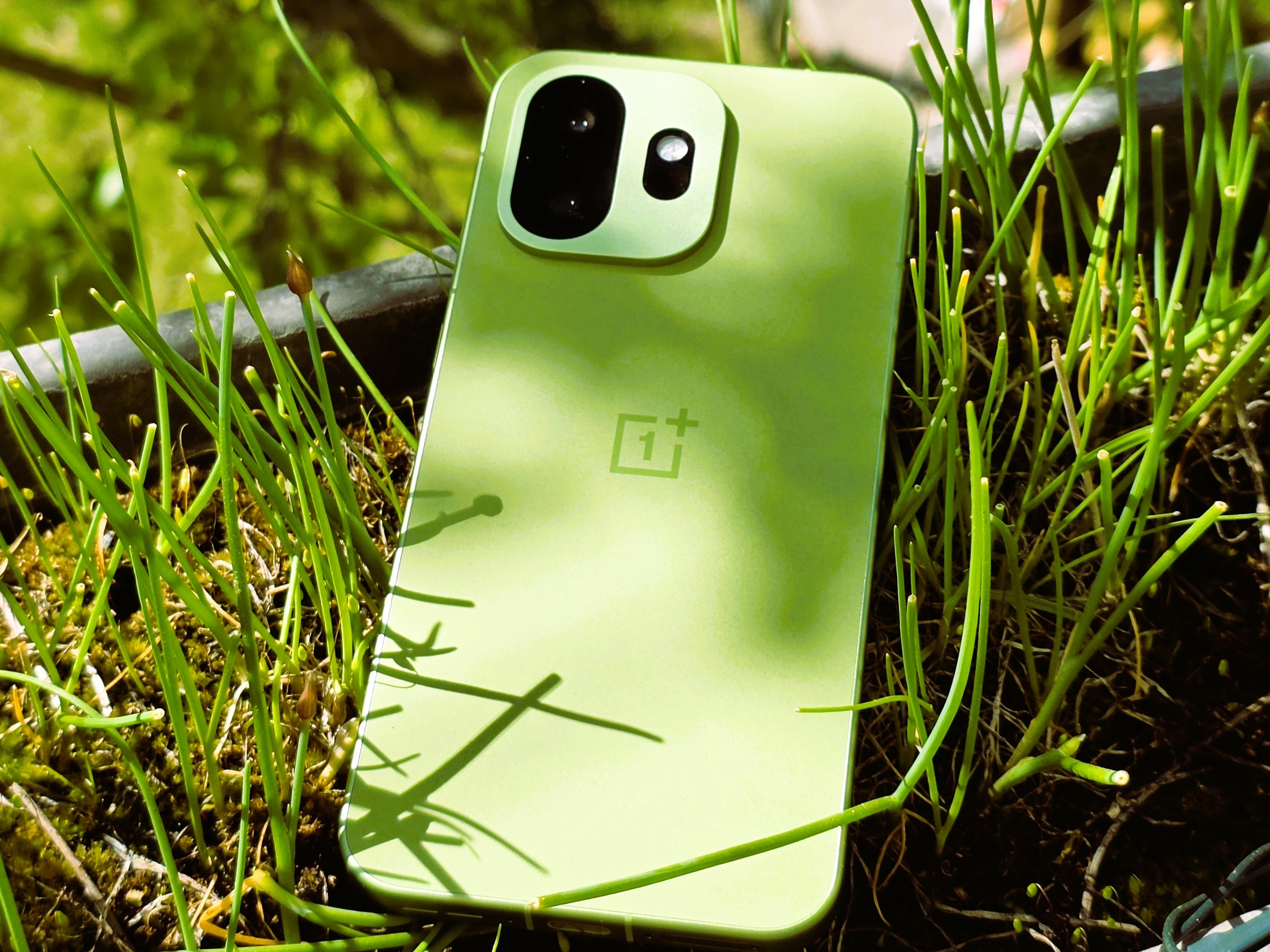
If you care about smartphone sound quality, the OnePlus 15T may not be the compact Android phone you’re hoping for—at least not when it comes to speaker performance. As part of standard audio testing, its built-in speakers were measured across the frequency range using a pink noise chart, and the results point to one clear takeaway: the OnePlus 15T isn’t designed to impress audiophile users.
The biggest issue is the sound foundation. Low frequencies are where the OnePlus 15T struggles most, delivering noticeably weaker bass than key rivals. In direct comparison, the Samsung Galaxy S26 produces a fuller, more powerful low-end, giving music and videos more depth and impact. If you enjoy bass-heavy tracks or want richer sound while streaming, the difference is hard to ignore.
The OnePlus 15T does manage a more balanced presentation in the midrange, which helps with vocals and dialogue clarity. However, the measurements also show the highs are slightly underrepresented, meaning detail and sparkle can feel muted. Many frequency bands land below the typical median, and the very highest frequencies drop off sharply—an issue that can make audio sound flatter and less lively, especially at higher volumes or with complex tracks.
Volume is another weak point. The OnePlus 15T reaches around 82 dB, which is relatively low for a modern smartphone speaker system. On top of that, increased background noise was observed, which can reduce the sense of clarity and make audio feel less clean during louder playback.
Overall, the numbers place the OnePlus 15T behind most of its competition in speaker testing, with roughly 86 percent of tested smartphones performing better across the full frequency spectrum. For anyone shopping for a handy, compact Android phone but also expecting strong bass, clear highs, and better loudness for casual sound reinforcement, alternatives like the Galaxy S26 or Xiaomi 17 are positioned as the stronger picks.