OLED TVs are becoming cheaper to build—and that could reshape the TV market, even if retail prices don’t plunge overnight. Over the past decade, OLED has shifted from niche luxury to mainstream must-have, and new industry analysis suggests manufacturing efficiency is accelerating that trend behind the scenes.
According to recent production estimates, the cost to make a 65-inch OLED panel has fallen dramatically—from around $1,000 in 2020 to roughly $600 in 2024—with projections pointing to sub-$500 by the end of 2025. Larger sizes, including 77-inch and 83-inch panels, are also getting less expensive to produce as yields improve and factories streamline their processes.
If you’re waiting for a sudden wave of bargain OLED TVs, temper expectations. Manufacturers still need to recover heavy investments in plant expansions, new production lines, and workforce training. That kind of upfront spending encourages brands to bank the improved margins first rather than pass every dollar of savings to shoppers right away. Pricing tiers also tend to stick around to protect premium positioning and profitability.
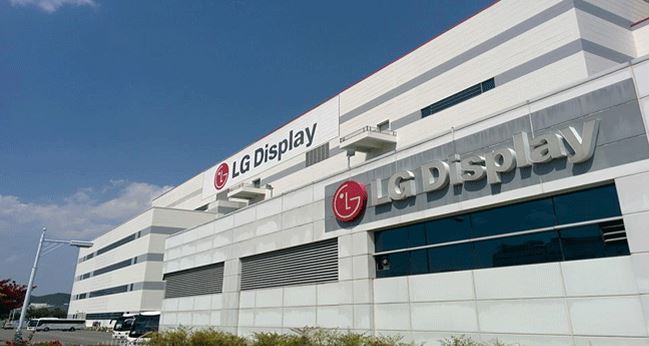
There’s more movement on the cost-cutting front. Reports out of Korea indicate that LG Display reduced OLED production costs by roughly 30% last year thanks to line expansions and better yields. For 2025, the company is targeting additional savings through a redesigned display driver structure—an engineering change aimed at making fabrication even more efficient.
This momentum also helps OLED defend its turf against rising rivals like RGB LED-based displays and advanced miniLED TVs that promote eye-searing brightness and rich color. Once you tally the expense of LED chips, backlights, and driver systems, RGB LED production typically lands in a similar $400–$600 range, which undermines the notion that it’s a cheaper alternative to OLED at scale.
So what does all this mean if you’re shopping for a new TV? In the near term, expect gradual price shifts rather than dramatic cuts. Big savings are more likely to appear during model transitions and seasonal promotions as manufacturers balance costs, inventory, and product tiers. Over the longer horizon, steadily falling panel costs should make OLED more accessible across sizes, while miniLED continues to push hard on the price-to-performance front.
The bottom line: OLED manufacturing is getting leaner and smarter, which strengthens its long-term outlook. While the price revolution won’t hit every living room tomorrow, the direction is clear—OLED remains dominant, resilient, and on a slow, steady march toward broader affordability.