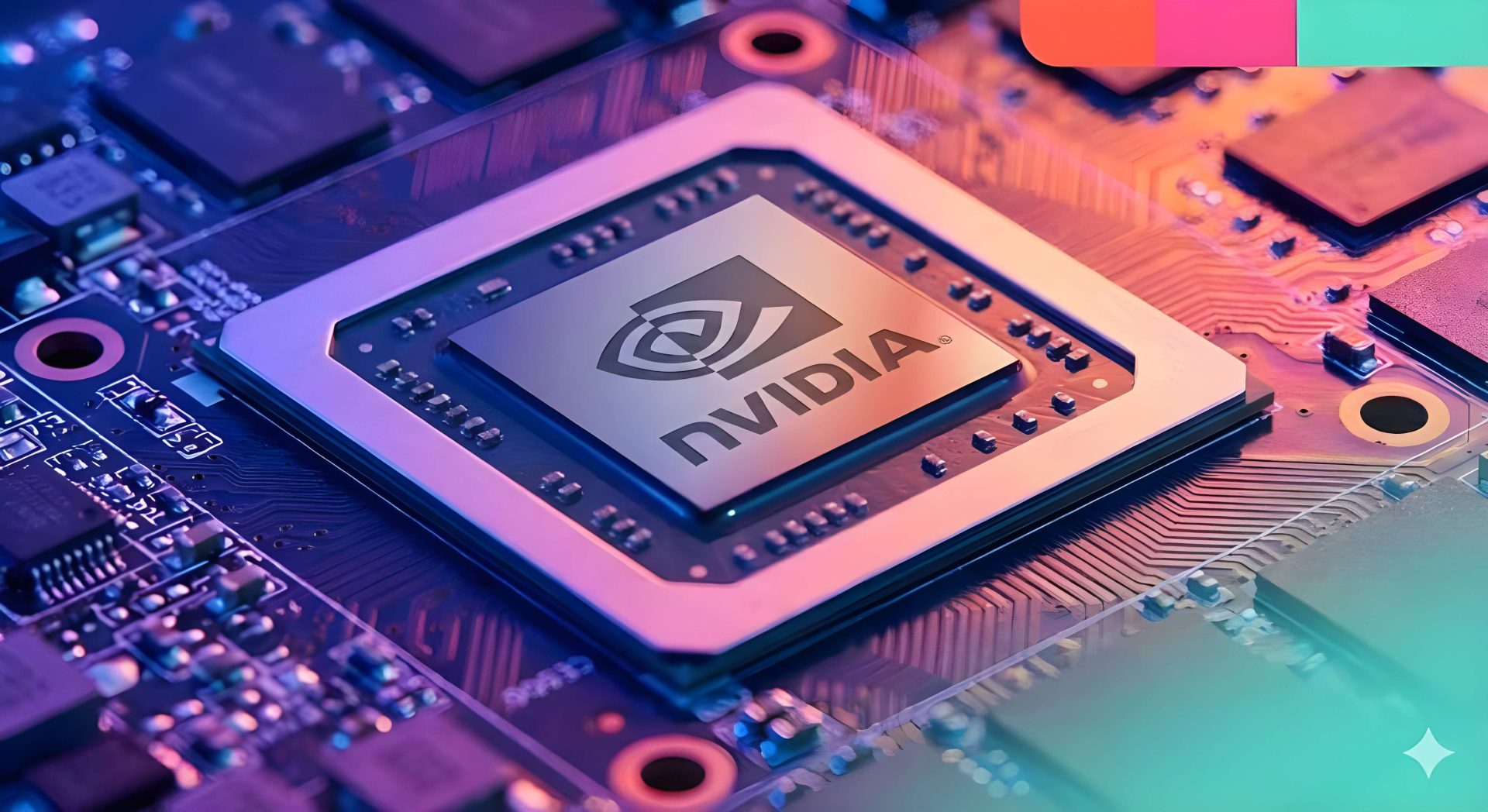
NVIDIA N1x Processor Rumors Point to Microsoft and Arm Collaboration, But Early Benchmarks Trail Apple M3 Max
NVIDIA may be preparing one of its biggest processor moves yet, with reports suggesting the company could announce a major collaboration with Microsoft and Arm at Computex. The rumored chip, currently referred to as the NVIDIA N1x, is expected to target Windows laptops and compact AI-focused PCs, potentially bringing NVIDIA deeper into the Arm-based computing market.
While official details remain under wraps, early benchmark results have started to draw attention. Pre-release Geekbench 6 scores reportedly show the N1x performing close to Apple’s M3 Max chip, but not clearly surpassing it. That comparison is especially notable because Apple’s M3 Max launched in the MacBook Pro lineup in November 2023, making it an older competitor by the time NVIDIA’s chip reaches the market.
The NVIDIA N1x is believed to be related to the GB10 system-on-chip used in the DGX Spark mini PC. According to current reports, the processor may feature a 20-core Arm-based CPU designed with MediaTek, an RTX 5070-class integrated GPU, and LPDDR5X unified memory. This type of memory design allows the CPU and GPU to share the same memory pool, similar in concept to Apple Silicon.
On paper, those specifications sound ambitious. A 20-core Arm CPU paired with NVIDIA graphics could make the N1x a compelling option for AI workloads, creative applications, gaming-adjacent tasks, and high-performance Windows laptops. However, the early benchmark numbers suggest NVIDIA may still have work to do before it can challenge Apple’s most efficient laptop chips in real-world performance.
The comparison with Apple’s M3 Max is particularly interesting because the M3 Max uses a 14-core CPU configuration, while the N1x is rumored to have 20 CPU cores. Despite that core-count advantage, the early Geekbench 6 results reportedly place the N1x roughly in the same performance range as the M3 Max, and in some cases behind it. That highlights Apple’s strong chip architecture and the advantage of tight hardware-software optimization across macOS and MacBook Pro devices.
Still, these benchmark results should be treated with caution. Pre-release hardware is rarely fully optimized. Driver support, firmware tuning, power management, Windows-on-Arm optimization, thermal design, and final clock speeds can all affect performance. If the N1x appears in production laptops, its final benchmark results could improve significantly compared with early test samples.
Another important point is that synthetic benchmarks such as Geekbench only tell part of the story. NVIDIA’s biggest strength is graphics and AI acceleration. Even if the N1x does not dominate CPU benchmarks, it could still stand out in GPU-heavy workloads, AI processing, content creation, and software that can take advantage of NVIDIA’s hardware ecosystem.
The rumored Microsoft partnership also matters. If NVIDIA, Microsoft, and Arm are working closely together, the N1x could become a key part of the next wave of Windows-on-Arm devices. Microsoft has been pushing harder into Arm-based PCs, and a powerful NVIDIA-backed chip could help increase competition against Apple Silicon laptops.
For now, the NVIDIA N1x remains one of the more intriguing processor rumors heading into Computex. Early performance leaks may not show a clear victory over Apple’s M3 Max, but the chip’s potential combination of Arm CPU cores, NVIDIA-class graphics, and unified memory could make it a serious contender in the premium Windows laptop market.
If NVIDIA can deliver strong battery life, competitive CPU performance, powerful GPU capabilities, and smooth Windows compatibility, the N1x could become a major step forward for Arm-based PCs. But based on the early numbers, Apple’s M-series chips still appear to set a very high bar.